Afghanistan is facing a severe humanitarian crisis as aid cuts leave millions without food support this winter. According to Reuters and AP News, more than 17 million people now face crisis-level hunger. The situation has escalated as Afghanistan enters its coldest months. The main keyword is “Afghanistan aid cuts.”
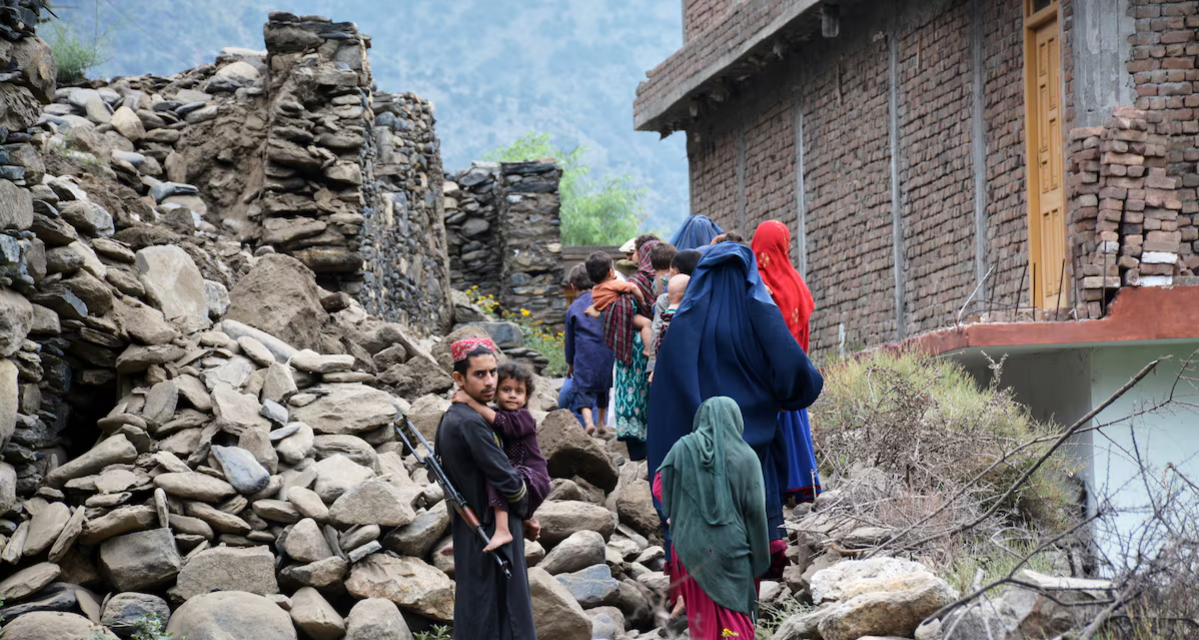
The crisis affects families across the country. Many have lost access to food parcels once provided through major programs. Aid agencies say they can help far fewer people now. This has left Afghan families exposed to hunger, cold, and rising living costs.
Afghanistan Aid Cuts Push Families Toward Extreme Hardship
According to the International Committee of the Red Cross, 22.9 million Afghans needed help in 2025. This is nearly half of the population. But donor support fell sharply over the past year. The United States halted several aid streams, and the World Food Programme had to scale back its operations.
Reuters reported that only 1 million Afghans received food support during the 2025 lean season. Last year, 5.6 million received help. This shows how deep the cuts are. U.N. humanitarian chief Tom Fletcher warned the Security Council that this winter is the first in years with almost no large-scale food distribution.
Families like Rahimullah’s feel the pressure every day. He sells socks on the streets of Kabul for just a few dollars. This is not enough to support his family of five. He once relied on international aid to survive. Now he has almost nothing to fall back on.
Many former refugees who returned from Pakistan and Iran also struggle. Officials say more than 7 million have returned in four years. This influx increased demand for housing and food. Rents have nearly doubled in Kabul, pushing many families close to homelessness.
How the Crisis Is Spreading Across Afghanistan
In northern regions like Badakhshan, cold weather makes life even harder. Many families can no longer afford firewood or charcoal. Seasonal jobs have stopped due to snow. This leaves families with no income and no way to stay warm.
The story of Sherin Gul shows how deep the crisis runs. Her family of 12 once received food support that lasted six months. Now she has nothing. Her son tries to find work, but jobs are rare. Some nights, the family goes to sleep hungry after drinking only green tea.
Restrictions on women working add more strain. Many Afghan women supported their homes before 2021. Now most are barred from work. With fewer income sources and less aid, families face impossible choices every day.
Long-Term Impact of Reduced Aid in Afghanistan
The United Nations says nearly 22 million Afghans will need support in 2026. But aid groups can only focus on the most urgent cases. This means millions will remain without help. The long-term impact could be severe food shortages, rising poverty, and worsening health conditions.
The cuts also forced aid groups to lay off workers and shut down projects. This reduces support in areas already hit by droughts, earthquakes, and displacement. Experts warn that without renewed funding, Afghanistan may see widespread hunger in the coming months.
The Afghanistan aid cuts are already reshaping life for millions. People struggle to find food, shelter, and heat. As winter deepens, the pressure on families grows, and the need for help becomes more urgent than ever.
FYI (keeping you in the loop)-
Q1: Why are Afghanistan aid cuts happening?
Several major donors reduced funding in 2025. Agencies like the World Food Programme had to scale back operations. This left fewer resources for families in need.
Q2: How many Afghans need aid now?
According to UN figures, about 22.9 million people needed help in 2025. More than 17 million face crisis-level hunger this winter.
Q3: Who is most affected by the cuts?
Poor families, returning refugees, and households with no income suffer the most. Women and children face the highest risks.
Q4: How are returning refugees adding pressure?
More than 7 million have returned in recent years. This raised demand for homes, food, and jobs. Many returned with no savings.
Q5: What could happen if aid does not increase?
Experts warn hunger could worsen. More families may face homelessness and sickness during winter. Recovery will be harder next year.
iNews covers the latest and most impactful stories across
entertainment,
business,
sports,
politics, and
technology,
from AI breakthroughs to major global developments. Stay updated with the trends shaping our world. For news tips, editorial feedback, or professional inquiries, please email us at
[email protected].
Get the latest news and Breaking News first by following us on
Google News,
Twitter,
Facebook,
Telegram
, and subscribe to our
YouTube channel.