Millions of people across Africa are fleeing conflict, unrest, and shortages of food and water. The Africa refugee crisis has grown sharply in 2025, according to the United Nations. Several nations face new displacement as violence and political tension spread.
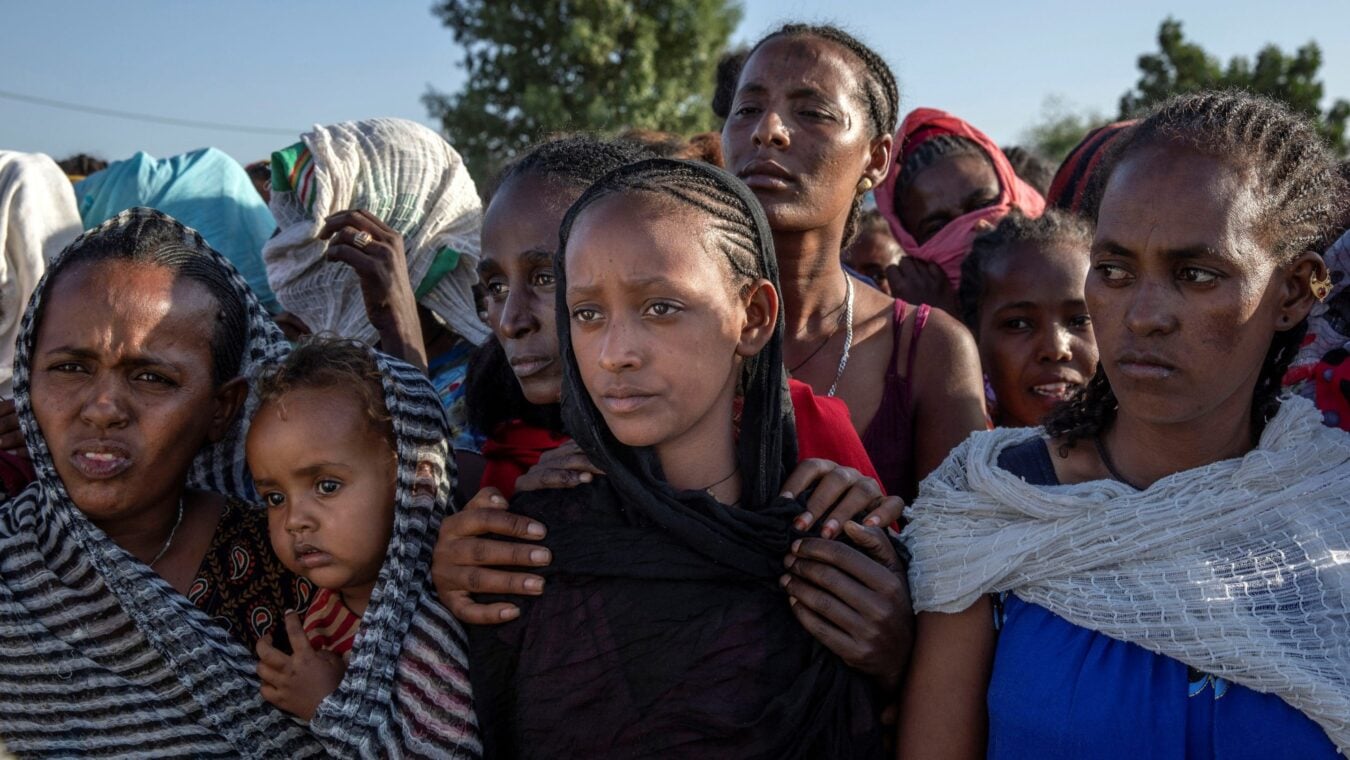 According to Reuters and the UN Refugee Agency, the continent has seen steady increases in internal displacement. Aid groups warn that support is not keeping pace with growing need. Many countries now struggle to host large groups of families seeking safety.
Rising Displacement Across Conflict Zones
The UN says Sudan remains one of the hardest-hit countries. Fighting between rival forces has pushed millions from their homes since the conflict escalated in 2023. Camps in neighbouring nations continue to expand as more families arrive with little more than clothes and documents.
AP News reports that Cameroon and parts of the Sahel also face ongoing instability. Local clashes and political tensions have driven people to move from rural regions to already crowded towns. Humanitarian groups say shortages of food and medicine are now common.
The BBC has noted that security problems in Mali and Niger have also worsened travel routes and trade lines. Many roads remain unsafe, and aid teams struggle to reach remote communities. This increases pressure on shelters that already operate with limited resources.
Growing Humanitarian Challenges for Host Countries
The Africa refugee crisis has broad effects on host nations that already face economic stress. Food prices have risen in many areas, partly due to drought and climate shocks. Shortages push more families to seek help from regional shelters.
According to the UN, more than 7 million refugees and over 24 million internally displaced people currently need support across Africa. Most shelters lack stable funding and rely on emergency appeals. Aid officials warn that many operations may downsize if new funding does not arrive soon.
Health services also face strain. Medical teams report rising cases of malnutrition among children. Schools in host communities struggle to take in displaced students. Local leaders say communities continue to show solidarity, but resources are stretched thin.
Humanitarian Outlook for 2026
International agencies expect needs to rise next year. Climate change will likely intensify pressure on land and water. Aid groups have called for stronger diplomatic action to calm tensions in multiple regions. They say lasting stability will only come from political solutions and long-term investment.
Host countries also seek greater global support. Many say they cannot manage rising displacement without sustained funding. The UN has urged donors to increase contributions to match the scale of the crisis.
The Africa refugee crisis remains one of the world’s largest humanitarian emergencies. Millions depend on aid for survival, and many more may need help in the coming months.
FYI (keeping you in the loop)-
Q1: What is driving the Africa refugee crisis?
Conflicts, political unrest, and climate pressures are the main causes. Many families flee violence or shortages of food and water. The UN reports rising displacement across several countries.
Q2: Which countries have the most displacement?
Sudan, South Sudan, the Democratic Republic of Congo, and Somalia have some of the highest displacement levels. Parts of the Sahel also face growing instability.
Q3: How many refugees are in Africa?
The UN says Africa hosts more than 7 million refugees. Over 24 million people are internally displaced across the continent.
Q4: Are host countries coping with the influx?
Most host nations struggle with limited resources. Shelter, food, and health services are under pressure, and funding is often insufficient.
Q5: What is needed to ease the crisis?
Aid groups call for more funding and diplomatic action. Long-term stability will require political solutions and investment in community support.
Trusted Sources
Reuters
Associated Press (AP News)
BBC News
United Nations Refugee Agency (UNHCR)
iNews covers the latest and most impactful stories across
entertainment,
business,
sports,
politics, and
technology,
from AI breakthroughs to major global developments. Stay updated with the trends shaping our world. For news tips, editorial feedback, or professional inquiries, please email us at
[email protected].
Get the latest news and Breaking News first by following us on
Google News,
Twitter,
Facebook,
Telegram
, and subscribe to our
YouTube channel.