A universal coronavirus vaccine designed using artificial intelligence has passed its first human clinical trial with positive safety and immunogenicity results, researchers announced this month, marking a significant step in the long-running effort to build a single vaccine capable of protecting against multiple coronavirus variants.
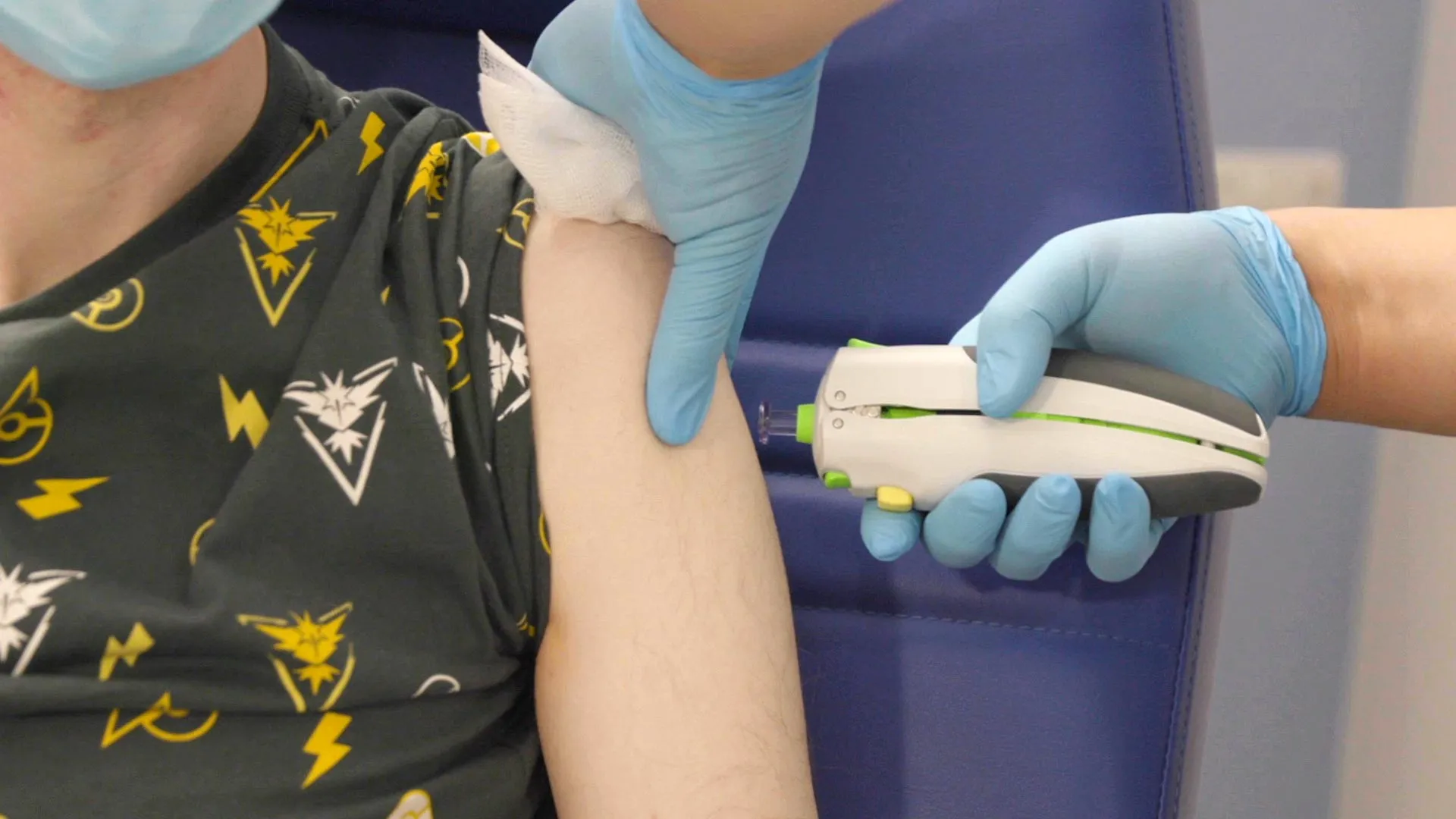
The vaccine was developed by a research team using AI tools to identify conserved protein structures shared across known coronavirus strains, including SARS-CoV-2 and its major variants, MERS-CoV, and several bat coronaviruses identified as potential future spillover risks. By targeting these stable regions rather than the spike protein alone, the vaccine aims to produce broad protection that does not become obsolete when the virus mutates.
The Phase 1 trial enrolled healthy adult volunteers and measured safety endpoints as well as the antibody and T-cell responses generated by the vaccine. Researchers said the immune responses observed were robust and cross-reactive, meaning the antibodies produced in trial participants showed activity against multiple coronavirus strains in laboratory assays, not just the specific strain used to design the vaccine.
The AI component of the development process involved training models on large databases of viral protein structures and immune system response data to predict which antigenic targets would produce the broadest and most durable immunity. Researchers said the AI approach compressed what would have been years of laboratory testing into months by narrowing down candidate antigens before any physical synthesis was required.
The team behind the trial includes researchers from multiple institutions and was partially funded through grants linked to pandemic preparedness programs established after COVID-19. The results have been submitted to a peer-reviewed journal and are currently under review.
A Phase 2 trial testing the vaccine across a larger and more diverse population is being planned and is expected to begin later this year. That trial will look more closely at efficacy signals and will include older adults and immunocompromised participants who were excluded from the Phase 1 cohort.
Scientists not involved in the research called the results encouraging but cautioned that Phase 1 trials assess safety primarily, and that efficacy against actual coronavirus infection would need to be established in later stages before any regulatory submission could be considered.
The development comes as public health authorities continue to monitor several emerging coronavirus variants and keep pandemic preparedness infrastructure on standby.

Follow iNews Zoombangla On Google
Open the Google follow page and tap the checkmark option to receive more updates from iNews Zoombangla in your Google news feed.