AI energy demand is rising fast in 2025. Companies that support power and control systems now face new pressure. Helios Technologies is one of them. The firm saw steady share gains this year as the global AI boom pushed energy use to new highs.
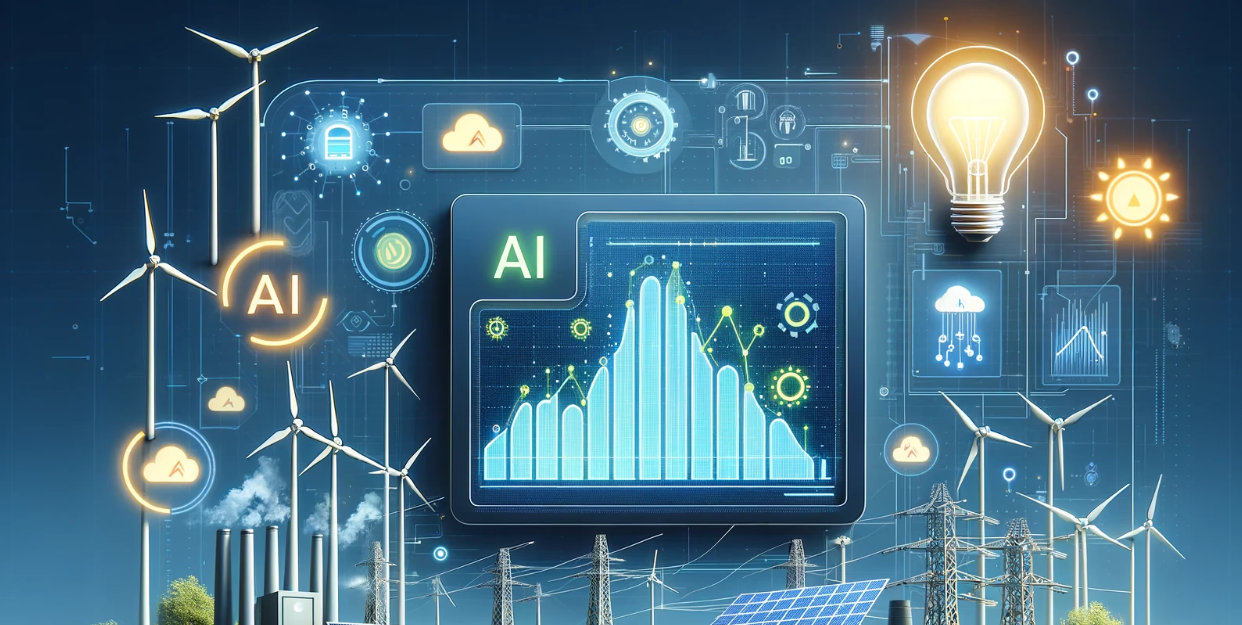
Reuters has reported sharp growth in electricity use from data centers. The rise has created concern for grids in the United States and Europe. It has also pushed many companies to upgrade industrial control systems and power hardware. This shift has helped firms like Helios keep stable growth in a tight market.
Helios Technologies Gains Ground as AI Drives Power Needs
Helios Technologies posted a solid share return in 2025. The company builds motion and electronic control parts for mobile and industrial machines. These products are used in energy, construction, and equipment markets. Short supply chains and steady demand helped the firm hold momentum.
Reuters has noted that data center power use now grows faster than many utilities expected. The rise has forced new spending on control systems and smart hardware. These upgrades help manage higher loads. They also support more precise energy use in large sites.
Helios sells control systems that help manage complex machines. These tools are used in oil, gas, and other heavy industries. Growth in these markets helped the firm balance weaker global demand in other sectors.
But high valuations remain a risk. The company trades at a premium to many peers. This means investors expect strong future growth. Any slowdown in key end markets could pressure the stock.
AI Power Strain Pushes Wider Industry Shifts
AI energy demand now shapes policy and business strategy. Reuters has reported that some grids face stress due to rapid expansion of AI server sites. Utilities are now racing to add new power sources. Some are turning to renewables. Others are expanding natural gas generation.
Chipmakers also feel these shifts. AMD reported strong data‑center sales as AI spending grew. Its latest chips helped lift quarterly revenue. The firm said demand from cloud operators remains high. This trend is likely to continue as more companies deploy advanced models.
Rising energy use affects more than large tech firms. Industrial suppliers, power‑system builders, and control‑equipment makers now see new demand. Companies like Helios operate in this layer of the market. Their parts help machines run safely under heavier loads. This role may grow as AI adoption spreads across more industries.
AI energy demand will remain a key force in 2025. Helios Technologies sits in a vital part of this cycle. Its growth shows how infrastructure firms now stand at the center of the AI era.
FYI (keeping you in the loop)-
Q1: What is driving AI energy demand?
AI models use large server farms that draw heavy power. Reuters reports that new data centers often double local grid loads. More AI use means more electricity need.
Q2: How is Helios involved in this trend?
Helios builds control and motion systems used in energy and industrial machines. These systems support higher demand in power and infrastructure projects.
Q3: How are chipmakers reacting?
AMD reported strong data‑center sales as demand for AI chips rose. The firm said cloud providers increased orders to support new AI services.
Q4: Are energy grids under pressure?
Reuters reports grids in the U.S. and Europe are strained. Many utilities now plan major upgrades to meet new data‑center power loads.
Q5: Why does this matter for investors?
Rising AI demand helps firms in power and infrastructure. But high valuations add risk. Investors must watch market conditions closely.
iNews covers the latest and most impactful stories across
entertainment,
business,
sports,
politics, and
technology,
from AI breakthroughs to major global developments. Stay updated with the trends shaping our world. For news tips, editorial feedback, or professional inquiries, please email us at
[email protected].
Get the latest news and Breaking News first by following us on
Google News,
Twitter,
Facebook,
Telegram
, and subscribe to our
YouTube channel.