A Chinese portable system combines LiDAR, radar, computer vision and precision lasers, raising new questions about automated pest control, safety and real-world effectiveness
Mosquito control has traditionally depended on chemicals, nets, traps and environmental management. A new class of devices is testing another approach. Instead of repelling insects, these systems attempt to detect individual mosquitoes and respond automatically.
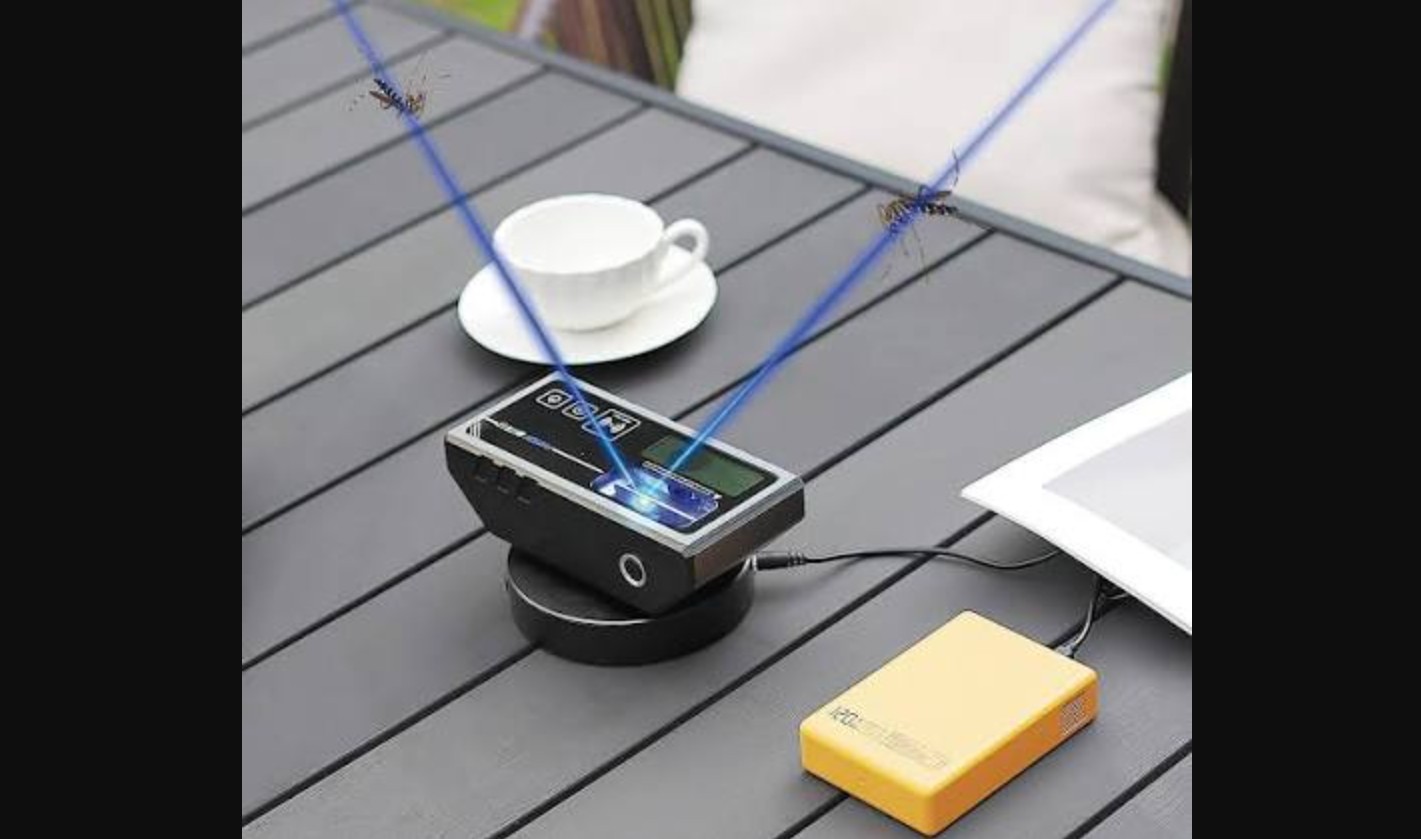
Photon Matrix Lab, a Chinese developer, has begun mass production of a portable mosquito-control device that combines artificial intelligence, multiple sensors and a precision laser. The company expected its first production units to begin shipping around late August 2026.
The device represents an emerging direction in automated pest management. It attempts to turn mosquito detection into a continuous sensing and targeting problem.
How the system works
According to information released about the device, Photon Matrix combines LiDAR, millimetre-wave radar and AI-based computer vision.
These technologies perform different functions.
LiDAR can estimate the location and movement of small objects by measuring reflected light. Millimetre-wave radar can track motion under conditions where ordinary cameras may perform poorly. Computer vision can then help distinguish insects from other moving objects.
After identifying a target, the system tracks its flight path. A precision laser is then used to physically eliminate the insect.
This makes the approach different from some existing mosquito-detection systems.
The Bzigo Iris, developed by an Israeli company, uses computer vision to detect mosquitoes indoors. It marks their position with a low-intensity laser so that a person can locate them. Photon Matrix is attempting to automate the additional step of eliminating the detected insect.
The technical problem is harder than detection alone.
Mosquitoes are small, move rapidly and change direction frequently. A practical system must identify an insect, calculate its trajectory and direct the laser accurately within a short period.
It must also distinguish mosquitoes from harmless insects and other objects.
Why automation is entering mosquito control
The development comes during broader growth in China’s mosquito-control industry.
Figures cited with the project estimate that the Chinese market could increase from 7.86 billion yuan in 2025 to 12.43 billion yuan by 2030.
Companies and researchers are also experimenting with automated methods beyond lasers.
During the 2023 Hangzhou Asian Games, mosquito-attracting robots were reportedly deployed. Some systems attempted to reproduce characteristics associated with humans, including body temperature and breathing. Carbon dioxide and ultraviolet light were also used to attract insects into traps.
These projects illustrate a wider technical shift.
Pest control is beginning to incorporate sensing, robotics, machine vision and automated decision systems. Similar technologies are already used in agriculture for identifying weeds, monitoring crops and controlling certain pests.
Safety remains a central research question
A laser-based household device introduces requirements that ordinary mosquito traps do not face.
The system needs mechanisms preventing the laser from targeting people, animals or reflective surfaces. Eye safety is particularly important because even brief exposure to some laser classes can cause injury.
Reliable object recognition therefore becomes part of the safety architecture, rather than only a performance feature.
The manufacturer has said that additional testing and safety information will be released. However, the advertised performance figures have not yet been fully confirmed through independent testing.
That distinction matters.
Laboratory detection rates do not necessarily predict performance inside homes. Curtains, furniture, changing light, reflective objects, pets and multiple insects can alter operating conditions.
Independent testing would need to examine detection accuracy, false targeting, laser safety, operating range and effectiveness across different mosquito species.
A complement rather than a replacement
Laser-based mosquito systems also need to be considered within public health practice.
Mosquito management usually involves several layers. These include removing breeding sites, using bed nets, applying approved repellents, installing physical barriers and controlling mosquito populations where necessary.
An automated indoor device would address only part of that system.
Its value would therefore depend less on whether it can replace traditional methods and more on whether it can reliably reduce mosquito exposure within specific environments.
Price will also influence adoption. Consumers are likely to compare automated systems with relatively inexpensive nets, traps and repellents.
The larger research question extends beyond mosquitoes.
If compact sensors and AI systems become accurate enough to classify small flying insects in real time, pest management could gradually move toward selective intervention. Instead of treating an entire area chemically, future systems could identify and target individual insects.
Photon Matrix is an early commercial example of that idea.
Whether laser mosquito control becomes widely used will depend on evidence that is still developing. Independent safety testing, field performance, reliability and operating cost will determine whether the technology remains a specialized device or becomes part of everyday pest management.

Follow iNews Zoombangla On Google
Open the Google follow page and tap the checkmark option to receive more updates from iNews Zoombangla in your Google news feed.