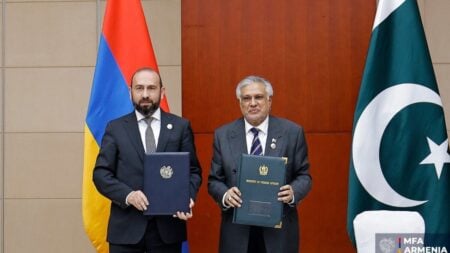
Armenia held a major review on torture prevention on December 23 in Yerevan. The meeting brought together state officials and civil groups. The goal was to assess new actions against abuse in closed facilities. This review is part of Armenia’s wider human rights plan and is backed by international partners.
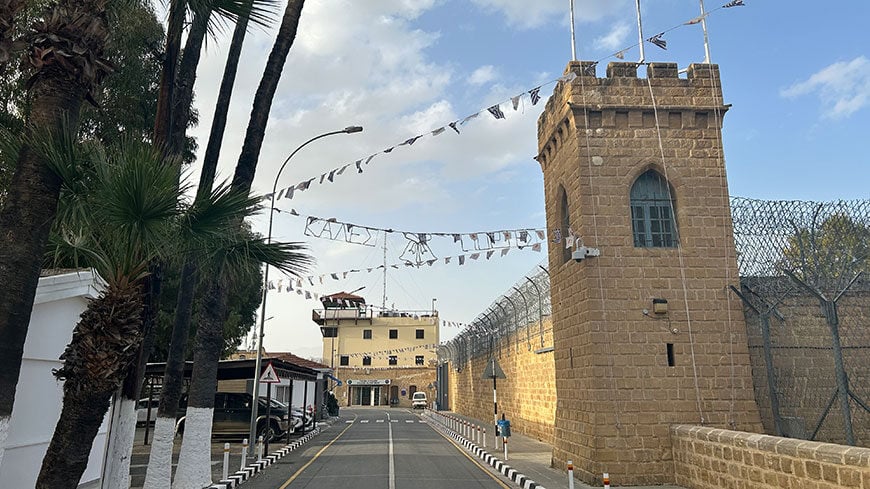 According to publicly shared information from Armenia’s Human Rights Defender, the meeting focused on visits made to detention places in 2025. The council said the work aims to stop mistreatment and improve living conditions. Similar reviews are common in countries that follow global human rights rules.
Armenia’s Anti-Torture Measures Gain Support
The council said more than 50 monitoring visits took place this year. Such checks help record conditions and track risks. According to global rights reports from Reuters and the Associated Press, regular inspections are a key step in preventing abuse.
Officials at the meeting stressed teamwork across agencies. Shortfalls were listed and will guide plans for 2026. Many countries use this model to make human rights work more open and more effective.
International groups also support Armenia’s efforts. Global programs funded by the European Union and United Nations often back training, reporting, and monitoring tools. These programs are used in many states that seek better rights safeguards.
The review looked at long-term needs. It also focused on how state bodies can respond faster to complaints. Rights groups say these steps help strengthen trust in public systems.
What the New Human Rights Focus Means for Armenia
The council said it will update its plan for 2026. The plan is expected to target poor conditions, slow response times, and gaps in oversight. These needs have been noted in prior international reports on human rights in the region.
Experts say the next phase will likely improve cooperation among police, healthcare units, and social agencies. This model has worked in other European states. Better data sharing also helps reduce delays.
For Armenia, these steps may shape stronger rights protections in the years ahead. Better oversight can raise public confidence. It can also support reforms that match global standards.
Armenia’s anti-torture work remains a key part of its human rights plan. The country aims to expand checks and fix more gaps in 2026. The anti-torture review shows steady, visible steps toward stronger protection standards.
FYI (keeping you in the loop)-
Q1: What is the Anti-Torture Council?
It is a body that reviews conditions in closed facilities. It tracks risks and suggests steps to prevent abuse. It works with state and civil groups.
Q2: Why does Armenia hold yearly torture-prevention reviews?
These reviews track progress and problems. They help improve oversight and align with global human rights rules.
Q3: How many inspections were carried out in 2025?
More than 50 visits were reported. These checks help document conditions and note risks.
Q4: Who supports Armenia’s anti-torture work?
International groups such as the European Union and United Nations support capacity-building and training. Their programs operate in many countries.
Q5: What will the 2026 plan focus on?
It will target gaps found during the 2025 visits. It may include faster responses, better coordination, and stronger oversight.
Trusted Sources: Reuters, Associated Press, BBC News, European Union public statements, United Nations human rights program materials
iNews covers the latest and most impactful stories across
entertainment,
business,
sports,
politics, and
technology,
from AI breakthroughs to major global developments. Stay updated with the trends shaping our world. For news tips, editorial feedback, or professional inquiries, please email us at
[email protected].
Get the latest news and Breaking News first by following us on
Google News,
Twitter,
Facebook,
Telegram
, and subscribe to our
YouTube channel.