Armenia recorded a warm and dry autumn in 2025. The season ran from September to November and showed clear signs of rising temperatures. The Hydro-Meteorological and Monitoring Center confirmed the shift. The average temperature reached 8.8°C, which was 1°C higher than normal.The weather pattern drew concern across the country. Many areas saw less rain than expected. Meteorologists said the changes fit long‑term climate trends in the region.
Armenia’s Warm Autumn 2025 Shows Clear Climate Pattern
According to data from the Hydro-Meteorological and Monitoring Center, Armenia saw sharp differences between the start and end of autumn. September was cooler and wetter, with an average temperature of 13.1°C. This was 0.8°C below normal. Rainfall reached 44.3 mm, which was 140 percent above the usual level. This helped ease dry soil in farms and villages. Reuters has reported similar warming trends across the South Caucasus in recent years.October became warmer. The average temperature rose to 8.8°C. Rainfall fell to 35.4 mm. Farmers reported dry fields in many regions. Weather experts said this shift showed an early move toward winter dryness.By November, the weather turned much warmer and very dry. The average temperature stayed 3.1°C above the norm. Rainfall dropped to only 2.7 mm. Many communities reported concerns about water supply. Mountain villages also saw temperature swings, with cold nights and unusually warm days.Long-term records show a clear trend. From 1935 to 2025, Armenia’s autumn temperature increased by 1.2°C. Rainfall fell by 33 percent. This shows steady warming over many decades. In autumn 2025, the coldest reading was –13.3°C in Ashotsk. The warmest was 37.6°C in Ararat and Areni. Experts said these extremes point to climate stress in the region.
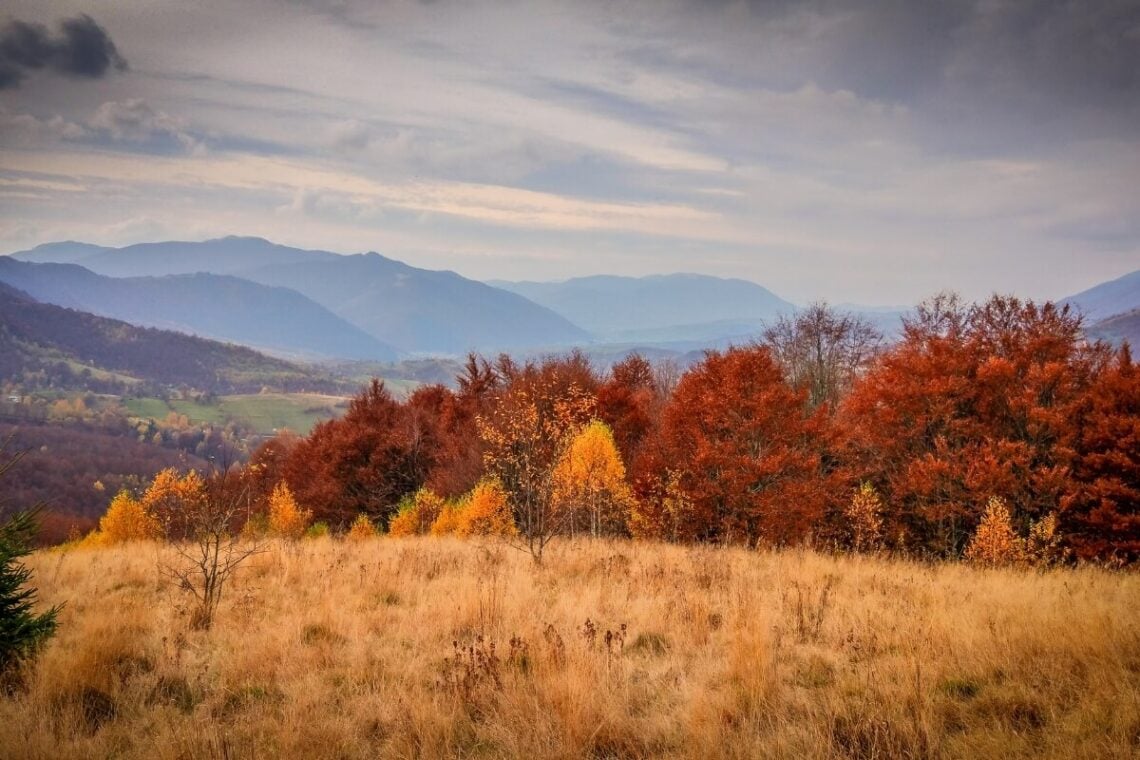
How Armenia’s Dry Autumn Affects Daily Life and Future Planning
The warm and dry season affects farms, water supplies, and rural life. Farmers may face lower yields in some areas. Dry air also increases fire risk in forests. Cities may see more pressure on water systems as rainfall decreases.Officials said Armenia must plan for recurring dry periods. This includes stronger monitoring, new irrigation rules, and better water storage. Climate researchers said the 2025 season adds to global evidence of shifting weather patterns.People across the country are adjusting. Some farmers are changing crop plans. Others are investing in drip irrigation. Local experts expect more unusual seasons if climate trends continue.
The Pitt Season 2 Expands Cast with New Doctors and Familiar Faces for July 4 Crisis
FYI (keeping you in the loop)-
Q1: Why was Armenia’s autumn 2025 so warm?
The season was warm due to long-term climate trends. Data shows a steady rise in autumn temperatures over many decades. Weather experts link these changes to global warming.
Q2: How much above normal was the temperature?
The average temperature was 1°C above the normal level. Some regions saw even larger jumps. November showed the strongest rise.
Q3: Did rainfall change during the season?
Yes, rainfall dropped sharply after September. October and November were much drier. November had only 2.7 mm of rain.
Q4: How does this affect farming?
Dry soil can lower crop yields. Farmers may need more irrigation. Water storage becomes more important in dry years.
Q5: Are these changes part of a long-term trend?
Yes, long-term data shows a clear rise in temperature since 1935. Rainfall has also decreased over time. Experts consider this part of broader climate change.
iNews covers the latest and most impactful stories across
entertainment,
business,
sports,
politics, and
technology,
from AI breakthroughs to major global developments. Stay updated with the trends shaping our world. For news tips, editorial feedback, or professional inquiries, please email us at
[email protected].
Get the latest news and Breaking News first by following us on
Google News,
Twitter,
Facebook,
Telegram
, and subscribe to our
YouTube channel.