Rising concern over Bangladesh minority attacks has prompted India to summon Bangladesh’s High Commissioner in New Delhi. The move came after new reports of fear among Hindu families in parts of Bangladesh. The talks were held this week as cases of violence and intimidation drew global attention. According to India Today and supported by broader regional reporting from Reuters, the mood inside many minority areas remains tense.
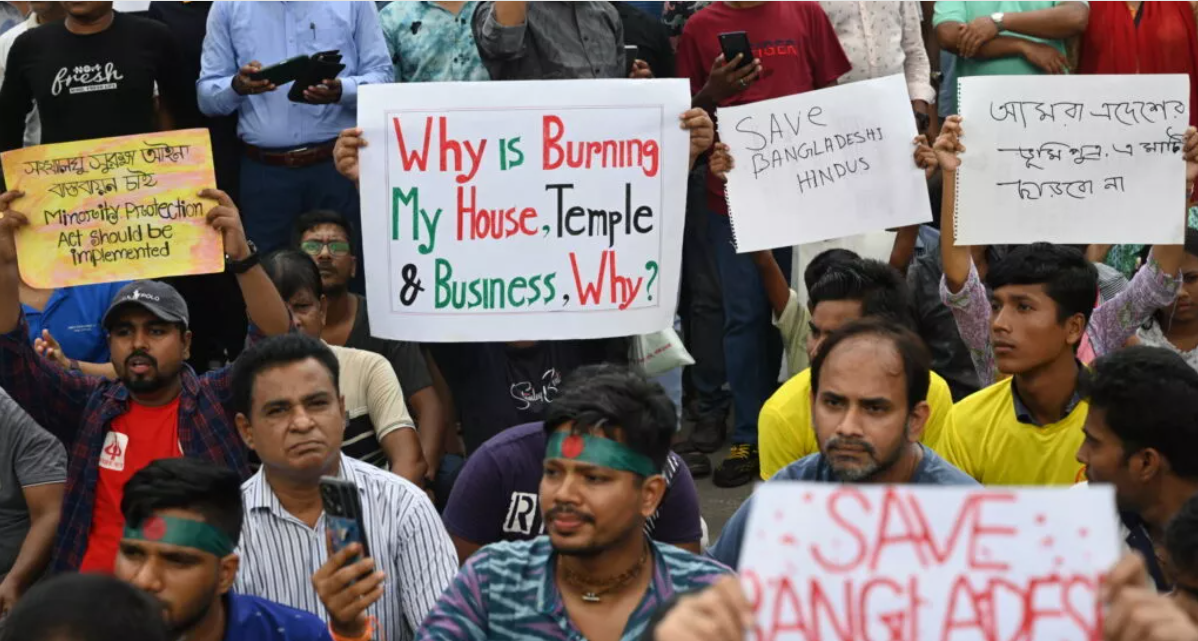
Officials in New Delhi said the situation needs close review. Diplomatic channels remain active. Both countries say they want calm, but people on the ground say fear has grown in recent weeks.
Bangladesh Minority Attacks Draw Strong Response From India
Reports from Chittagong and nearby districts describe a rise in pressure on Hindu families. Some families say they feel unsafe when moving outside at night. Others say they have withdrawn daughters from school due to fear. According to Reuters, concerns about safety for minorities in Bangladesh have surfaced several times in the past decade, often around political unrest.
India’s Ministry of External Affairs met the Bangladesh envoy to raise these concerns. Officials said they want swift action from Dhaka. They also asked for safety steps for all vulnerable groups. The Indian side said this was a routine diplomatic step but stressed the issue is serious.
Bangladesh authorities say they are monitoring the situation. Police presence has been increased in some areas. Dhaka officials say they will act against anyone involved in violence. They also say political groups should not use unrest for gain.
Regional Impact and Why It Matters Now
The timing is important. Bangladesh is preparing for political activity linked to upcoming rallies, including events around BNP leaders returning to public focus. According to BBC reporting in past years, political shifts in Bangladesh often create tension for minority groups caught between rival parties.
Analysts say India is watching closely because any rise in minority attacks can impact border areas and migration patterns. It also affects long-standing cultural ties between the two nations. The fear in local communities has raised concerns about long-term security, education, and religious freedom.
Some rights groups say the issue must be handled fast. They argue that slow action can push families to leave their homes. Others warn that panic can spread even when incidents are isolated. For many families, the uncertainty is the hardest part.
The coming weeks will show whether the renewed diplomatic pressure can reduce fear linked to Bangladesh minority attacks.
FYI (keeping you in the loop)-
Q1: What is happening with Bangladesh minority attacks?
Reports show rising fear among Hindu families in some regions. India has raised the issue with Bangladesh officials. Authorities say they will increase safety measures.
Q2: Why did India summon the Bangladesh envoy?
India took this step to express concern over attacks on minority groups. It asked Bangladesh to act fast to protect vulnerable families.
Q3: Are the attacks confirmed by major news outlets?
Concerns about minority safety have been reported by India Today and supported by long-term context from Reuters and BBC. Exact case numbers vary by region.
Q4: How are Bangladesh authorities responding?
Officials say they are monitoring the situation and will act against any group involved in violence. Police have been deployed in some districts.
Q5: What does this mean for India–Bangladesh relations?
The issue adds stress to ties but both sides say they want calm. It may shape future talks on security and border stability.
Trusted Sources: Reuters, AP News, BBC News, India Today
iNews covers the latest and most impactful stories across
entertainment,
business,
sports,
politics, and
technology,
from AI breakthroughs to major global developments. Stay updated with the trends shaping our world. For news tips, editorial feedback, or professional inquiries, please email us at
[email protected].
Get the latest news and Breaking News first by following us on
Google News,
Twitter,
Facebook,
Telegram
, and subscribe to our
YouTube channel.