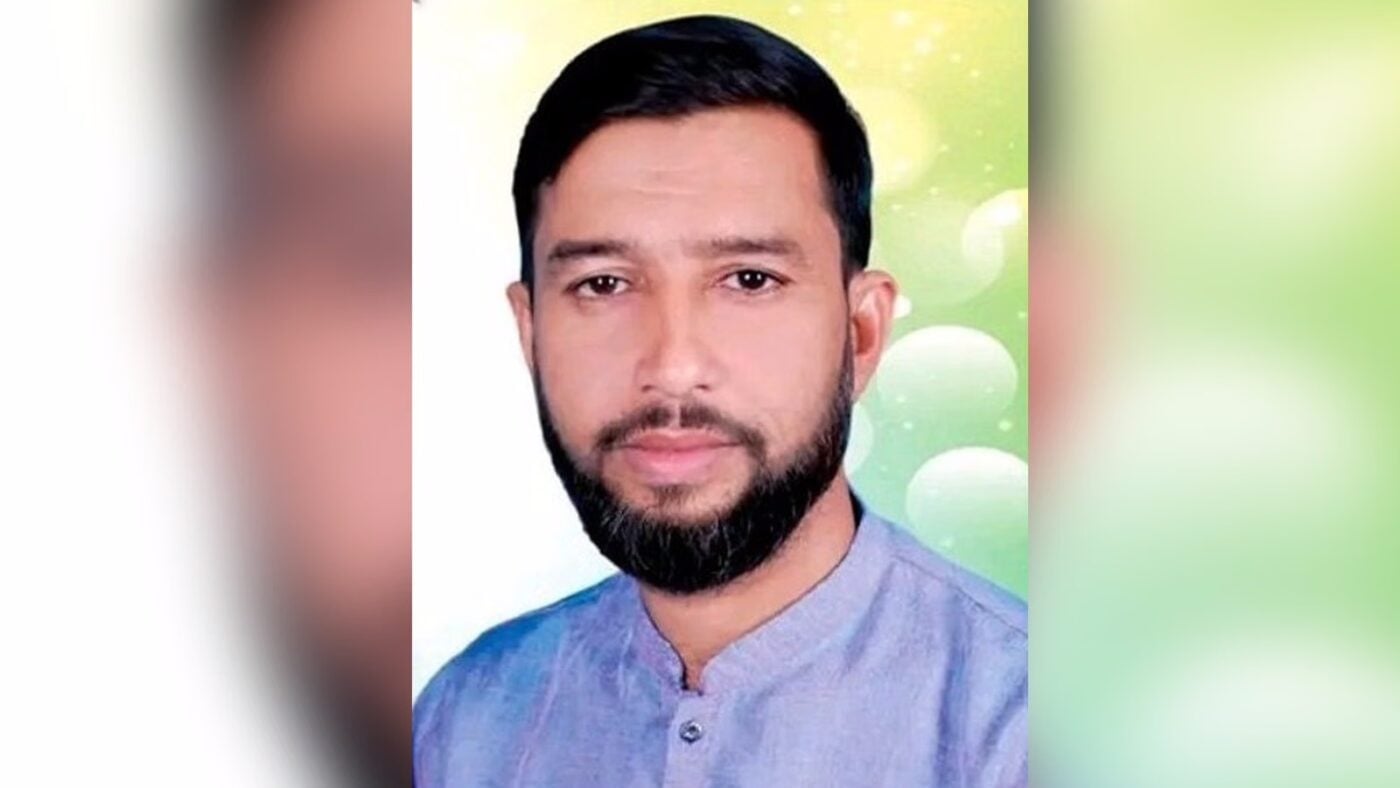
A student leader of the National Citizen Party was shot in Khulna on Monday. Police said Motaleb Sikder was hit in the head near his home. The attack came as Bangladesh faced fresh unrest after the death of another young leader, Sharif Osman Hadi. The incident took place in broad daylight near a local hospital.
 The shooting raised fears of more violence. According to Reuters and local media, the country has seen rising protests since Hadi died last week. His death triggered anger across several cities. Crowds set fire to buildings and damaged offices of major newspapers.
Motaleb Sikder Shot in Head Amid Rising Tension
Sikder is a key figure in the National Citizen Party. He works as the party’s divisional chief in Khulna. He is also active in NCP Sramik Shakti. Police said unknown attackers fired at him around late morning.
According to The Daily Star, officers rushed him to Khulna Medical College Hospital. Doctors said he was lucky to survive because the bullet passed through his ear. They said he was in serious condition at first but later became stable.
Prothom Alo reported that Sikder was helping plan a coming labour rally. The attack raised fears that more targeted strikes could follow. Local residents said the area was tense after the shooting. Police increased patrols near the hospital and nearby streets.
Hadi’s death has already shaken the country. According to Reuters, he was a major voice in protests that pushed former Prime Minister Sheikh Hasina from power last year. He died in Singapore after being shot in Dhaka earlier this month. His supporters blame political rivals, and protests grew large after news of his death spread.
How the Shooting Deepens the Crisis in Bangladesh
The attack on Sikder adds new strain to Bangladesh’s fragile political climate. Many fear that the unrest could grow if more clashes occur. Student groups say they feel unsafe. They want stronger protection from police during rallies.
Buildings were burned last week in Dhaka and other cities. Offices of leading papers, including Prothom Alo and The Daily Star, were damaged. The violence forced many shops to close early. Activists say they want justice for both Hadi and Sikder.
According to AP reports, rallies by opposition groups have grown in size in recent months. The shooting may fuel more anger. It may also push political groups further apart. Many worry that the unrest could harm the economy and public safety.
Bangladesh now faces hard days ahead. The attack on Motaleb Sikder shows how unstable the situation has become. Many fear more violence unless calm is restored. The main keyword “Bangladesh student leader shot” reflects the gravity of the crisis.
FYI (keeping you in the loop)-
Q1: Why was the Bangladesh student leader shot?
Police say unknown attackers targeted Sikder near a hospital. The motive is still unclear. The attack happened during a tense period in the country.
Q2: Is Motaleb Sikder in danger?
Doctors say he is now stable. The bullet passed through his ear and did not damage his brain. He is still under medical care.
Q3: What sparked the recent protests in Bangladesh?
The death of activist Sharif Osman Hadi led to widespread protests. He was shot earlier this month and later died in Singapore. His supporters demand justice.
Q4: Which areas saw the most unrest?
Dhaka saw major fires and vandalism. Offices of two large newspapers were hit. Other cities also saw rallies and clashes.
Q5: What is the National Citizen Party?
It is a political group active in Bangladesh. Sikder is one of its regional leaders. The party has been active in recent labour and student rallies.
Trusted Sources: Reuters, AP News, The Daily Star, Prothom Alo, Indian Express
iNews covers the latest and most impactful stories across
entertainment,
business,
sports,
politics, and
technology,
from AI breakthroughs to major global developments. Stay updated with the trends shaping our world. For news tips, editorial feedback, or professional inquiries, please email us at
[email protected].
Get the latest news and Breaking News first by following us on
Google News,
Twitter,
Facebook,
Telegram
, and subscribe to our
YouTube channel.