Smart glasses are no longer a niche gadget. Major brands are releasing advanced models for 2025. These devices blend digital information with the real world. They offer features from navigation to entertainment.
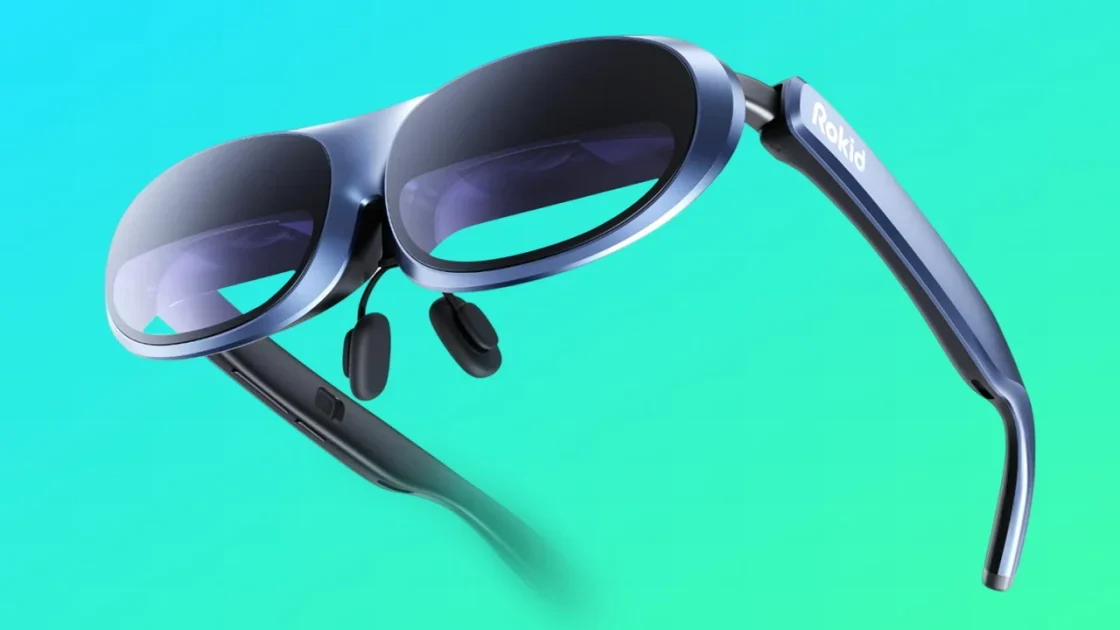 This shift is driven by better displays and AI. According to Reuters, the wearable tech market is growing quickly. Today’s smart glasses are practical tools for everyday life.
Top Models for Style and Everyday AI
The Ray-Ban Meta glasses lead in style and function. They look like classic sunglasses. Hidden inside are a 12MP camera and open-ear speakers.
Battery life reaches eight hours on a single charge. They capture video in 3K Ultra HD quality. A simple “Hey Meta” voice command activates AI features for translation and information.
For athletes, the Oakley Meta Vanguard is a top choice. They are built tough with an IP67 waterproof rating. They reduce wind noise on calls and are designed to fit under helmets.
Premium Picks for Immersive Displays
For a giant virtual screen, consider the Viture Luma Pro. It uses Sony micro-OLED panels. Users see a crisp 152-inch virtual display with a 120Hz refresh rate.
This is ideal for gaming or creating a portable workstation. The glasses plug directly into phones or laptops via USB-C. They also correct for mild nearsightedness without prescription lenses.
The Xreal One Pro offers another premium experience. Its display feels like a 171-inch screen. A custom chip allows for head tracking, so the virtual screen stays locked in place as you move.
Affordable Entry Points and Future Releases
Budget-conscious buyers should look at the RayNeo Air 3s. For under $300, they provide a solid 1080p virtual screen. They are excellent for watching movies or light gaming on the go.
Eye protection technology helps reduce strain during long sessions. The field of view is narrower than premium models, but the value is strong.
Exciting new models are also on the horizon. Google and Xreal are collaborating on “Project Aura” for 2026. Apple and Snap are also reported to be developing their own AI-powered smart glasses for consumer release.
The landscape for the best smart glasses is richer than ever. From stylish AI companions to immersive portable theaters, there’s a model for every need and budget as this technology moves toward the mainstream.
Info at your fingertips
What can you actually do with smart glasses?
You can take photos and videos hands-free, get turn-by-turn navigation, listen to music, make calls, and use AI for translations or answering questions. Models with displays let you watch videos or play games on a giant virtual screen.
Do any smart glasses work with prescription lenses?
Yes. Many companies, like Ray-Ban, offer frames that can be fitted with prescription lenses. Some models, like the Viture Luma Pro, also have built-in diopter adjustment for mild vision correction.
How long does the battery typically last?
Battery life varies widely. Audio-focused glasses like the Ray-Ban Meta last about 8 hours. Display-heavy models for video offer 3-5 hours of continuous use. All come with a charging case for extra power on the go.
Are smart glasses considered a privacy risk?
They can be, due to their discreet cameras. Responsible manufacturers include clear recording indicators like LED lights. Users should always follow local laws and be transparent about recording in public or private spaces.
What is the main drawback of current smart glasses?
The biggest trade-off is between capability and style. Glasses with powerful displays are often bulkier. The most stylish designs have more limited features. Battery life is also a constant consideration for all-day use.
Trusted Sources: Reuters
জুমবাংলা নিউজ সবার আগে পেতে Follow করুন জুমবাংলা গুগল নিউজ, জুমবাংলা টুইটার , জুমবাংলা ফেসবুক, জুমবাংলা টেলিগ্রাম এবং সাবস্ক্রাইব করুন জুমবাংলা ইউটিউব চ্যানেলে।