The final full moon of 2025 ascends this week. Known as the Cold Moon, it peaks on Friday, December 5. This event is also classified as a supermoon.
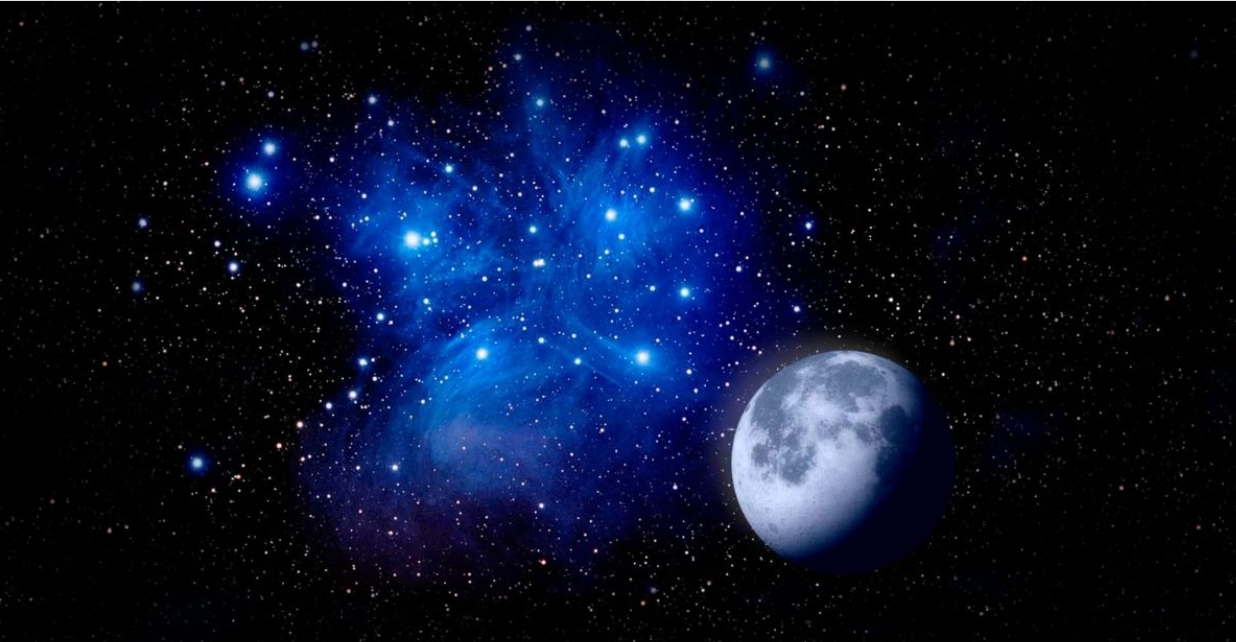
It marks a brilliant finale to a significant lunar year. The moon will appear larger and brighter than average.
A Supermoon with Historic Significance
This December’s full moon holds special celestial status. It qualifies as a supermoon because it occurs near perigee. Perigee is the moon’s closest point to Earth.
This proximity makes the lunar disk shine up to 30% brighter. It will also appear noticeably larger in the night sky. The timing is historically noteworthy.
The event coincides with the end of an 18.6-year cycle. This cycle is called a Major Lunar Standstill. According to astronomical sources, this rare alignment affects the moon’s path.
During this phase, the moon’s orbital tilt is at a peak. This causes it to rise at its farthest northern point on the horizon. The Cold Moon will climb exceptionally high in the autumn sky.
How and When to Watch the Spectacle
The Cold Moon reaches its peak illumination on December 5. Ideal viewing requires a clear sky and minimal light pollution. For those unable to see it directly, live streams are available.
The Virtual Telescope Project will offer a broadcast. It begins on December 4 at 3 PM EST from Italy. This provides telescopic views in real time.
The Griffith Observatory in Los Angeles will also stream the event. Its coverage starts on December 5 at 8:27 PM EST. These options ensure global access to the lunar display.
The 2025 Cold Moon offers a chance to witness a powerful supermoon. It also serves as a farewell to a rare astronomical cycle. Look skyward this Friday for this stunning celestial send-off.
A quick knowledge drop for you
What is a Cold Moon?
The Cold Moon is the traditional name for December’s full moon. It references the cold temperatures of deep winter in the Northern Hemisphere. It is also historically called the Moon Before Yule.
Why is this a supermoon?
A supermoon happens when a full moon coincides with perigee. This is the moon’s closest orbital approach to Earth. The result is a larger and brighter appearance in our sky.
What is a Major Lunar Standstill?
It is an 18.6-year cycle where the moon’s orbit reaches a maximum tilt. During this period, the moon rises and sets at its most extreme northern and southern points. The current cycle is now winding down.
When is the next full moon?
The next full moon is the Wolf Moon on January 3, 2026. It is also forecast to be a supermoon. This data is based on annual astronomical forecasts.
Can I see the Cold Moon without a telescope?
Yes, the supermoon is easily visible to the naked eye. Find a location with a clear view of the eastern horizon at moonrise. Binoculars can enhance the view of surface details.
iNews covers the latest and most impactful stories across
entertainment,
business,
sports,
politics, and
technology,
from AI breakthroughs to major global developments. Stay updated with the trends shaping our world. For news tips, editorial feedback, or professional inquiries, please email us at
[email protected].
Get the latest news and Breaking News first by following us on
Google News,
Twitter,
Facebook,
Telegram
, and subscribe to our
YouTube channel.