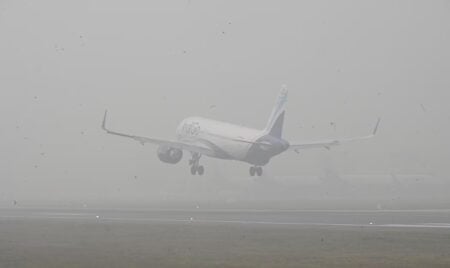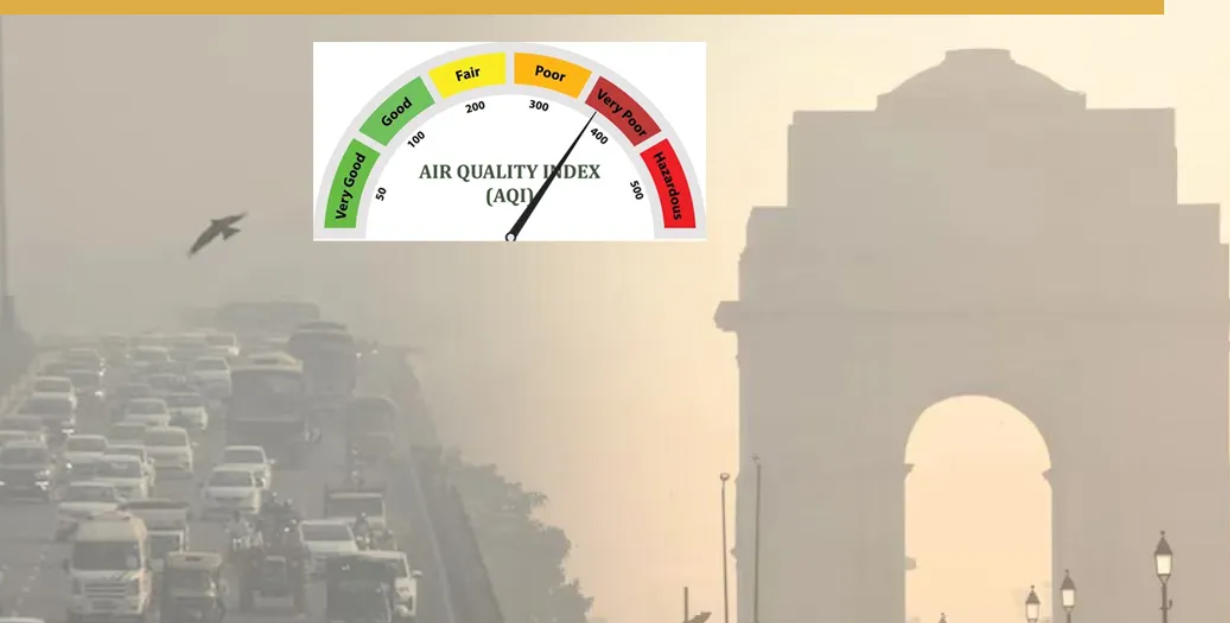
The rise pushed Delhi back into the severe category. This zone is known to harm even healthy people. According to Reuters, the city saw slow winds and dense winter air. These conditions trapped pollutants and made the air worse.
Delhi AQI Levels and Why the City Saw a Sharp Rise
Delhi AQI jumped due to two key causes. One cause was human activity. The other was tough winter weather. This was stated by the Union Environment Minister during a talk with a national outlet.
He said pollution rose from traffic, dust, and industry. These sources pushed PM2.5 and PM10 levels up. He added that he was right when he said earlier that air quality was better. He said the numbers were not above 450 at that time.
The weather then changed fast. Winds slowed. Fog and thick air built up. Pollutants stayed low over the city. This made the Delhi AQI shoot up again.
According to AP News, the city often sees this pattern in winter. Cold air settles near the ground. It traps bad air and blocks its movement.
How the Delhi AQI Affects People and What Comes Next
The high Delhi AQI has wide impact. Schools and hospitals report more cases of cough and eye irritation. Many people stay indoors. Masks return on the streets.
Experts say the city must focus on long-term steps. These include cleaner transport and better control on dust. They also urge faster action when weather shifts. They warn that the cycle will repeat if the root causes stay.
The minister said work will continue with states. He said the center will track the next weather updates. He noted that quick steps can help reduce peaks. But he also said winter limits how much can be done.
Residents wait for wind to return. That may bring short relief. But long-term progress needs steady policy and strong local action.
Delhi AQI will stay under watch this week. People hope the wind picks up soon. The pollution fight remains a top concern for the city.
Info at your fingertips-
Q1: Why did the Delhi AQI rise so fast?
It rose due to slow winds and winter fog. These trap pollutants near the ground. Human activity added more dust and smoke.
Q2: What did the minister say about the pollution data?
He said he was correct when he stated air quality had improved earlier. He noted that AQI was below 450 until that point. He blamed later spikes on weather and emissions.
Q3: How does severe AQI affect health?
It can cause cough, eye burn, and breathing trouble. It can harm healthy people too. Hospitals often see more cases during such peaks.
Q4: What steps help reduce Delhi AQI?
Cleaner transport and strong dust control help. Quick action during weather changes also helps. Long-term planning is key.
Q5: When will the air improve?
It may improve when winds pick up. This can lift pollutants away. Forecasts show a chance of better wind later in the week.
iNews covers the latest and most impactful stories across
entertainment,
business,
sports,
politics, and
technology,
from AI breakthroughs to major global developments. Stay updated with the trends shaping our world. For news tips, editorial feedback, or professional inquiries, please email us at
[email protected].
Get the latest news and Breaking News first by following us on
Google News,
Twitter,
Facebook,
Telegram
, and subscribe to our
YouTube channel.