Denver has set a new record for its latest first measurable snowfall. The city recorded just 0.2 inches at Denver International Airport over the Thanksgiving 2025 weekend. This event breaks the previous record and highlights an unusually warm and dry fall season.
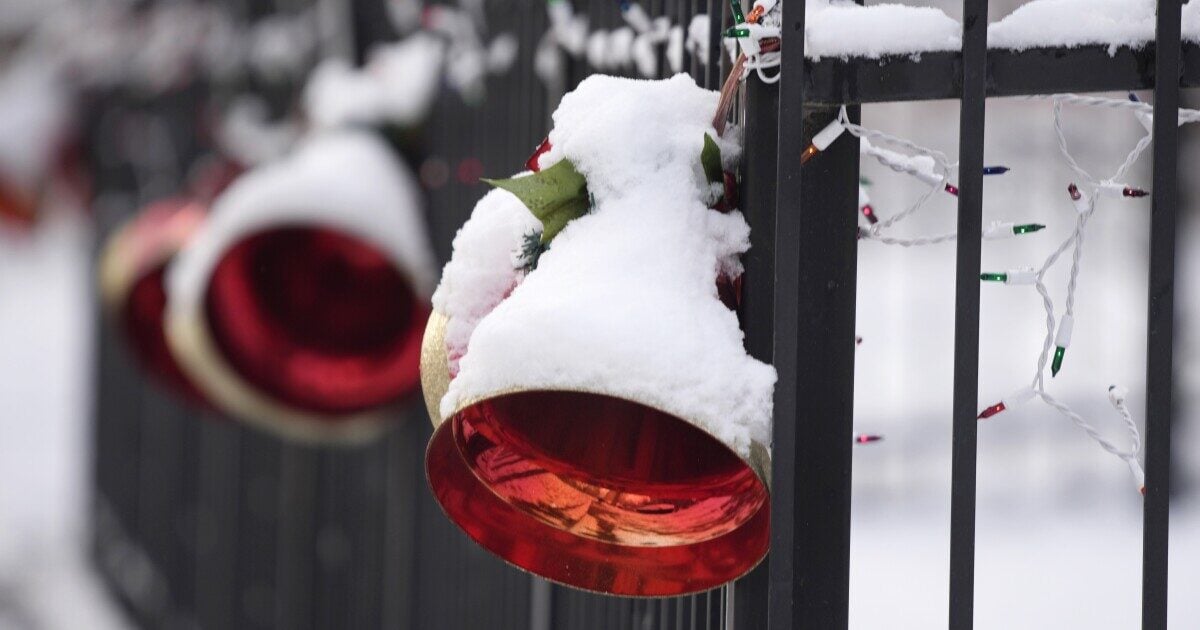
The delay has raised concerns about water resources and the winter tourism economy. According to the National Weather Service, the first snow typically arrives by mid-October.
Historic Snow Totals Paint a Stark Contrast Across Colorado
While Denver saw a mere dusting, the high country received a significant dump. Mountain passes and ski resorts reported accumulations up to 10.8 inches. This provided critical relief for ski areas preparing for the season.
The snow was not evenly distributed. Lower elevations saw little accumulation, but the mountains got a healthy base. Resorts like Winter Park and Arapahoe Basin reported several inches of fresh powder.
This snowfall is crucial for the state’s water supply. The snowpack in the Colorado River Basin is a key indicator for water levels across the western United States.
Economic and Environmental Ripple Effects of the Delayed Snow
The late snow has direct consequences for local businesses. Ski resorts that opened late relied heavily on artificial snowmaking. This increases operational costs significantly.
For the environment, a delayed snow season can disrupt local ecosystems. Wildlife patterns and soil moisture levels are both affected by the timing and amount of winter precipitation.
Meteorologists are watching for a pattern shift. Forecast models suggest more active weather could be on the horizon for the Rocky Mountains in the coming weeks.
The record-breaking delay of Denver’s first snow underscores the variable nature of Colorado’s climate and its wide-ranging impacts.
Info at your fingertips
What is the average date for Denver’s first snow?
Denver’s first measurable snowfall typically occurs around October 18th. This year’s event was over a month later than the historical average. It sets a new record for the latest first snow.
Which Colorado areas received the most snow?
Cameron Pass and Rabbit Ears Pass each recorded 10.8 inches of snow. Other mountain locations saw totals between 5 and 9 inches. Denver and the eastern plains saw minimal accumulation.
How does this affect Colorado’s ski season?
The recent snow is a positive start for ski resorts. It allows for better trail coverage and reduces reliance on man-made snow. More natural snow is needed for a full, robust season.
Why is the first snow important for Colorado?
The first snow contributes to the vital mountain snowpack. This snowpack acts as a frozen reservoir, melting in spring to supply water for communities and agriculture across the state.
Is this late snow related to climate patterns?
While a single event cannot be directly attributed to climate change, it fits a pattern of warmer falls and later snow events observed in recent decades. Scientists note a trend toward later snowfalls in some regions.
iNews covers the latest and most impactful stories across
entertainment,
business,
sports,
politics, and
technology,
from AI breakthroughs to major global developments. Stay updated with the trends shaping our world. For news tips, editorial feedback, or professional inquiries, please email us at
[email protected].
Get the latest news and Breaking News first by following us on
Google News,
Twitter,
Facebook,
Telegram
, and subscribe to our
YouTube channel.