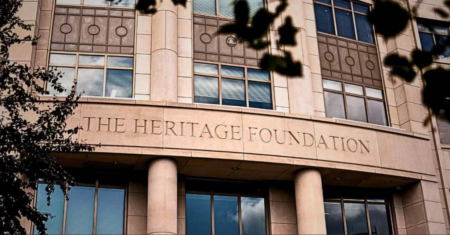
The American spirits industry is in freefall. Multiple distilleries have filed for Chapter 11 bankruptcy protection in 2025, victims of a brutal combination of international tariff wars and collapsing consumer demand.
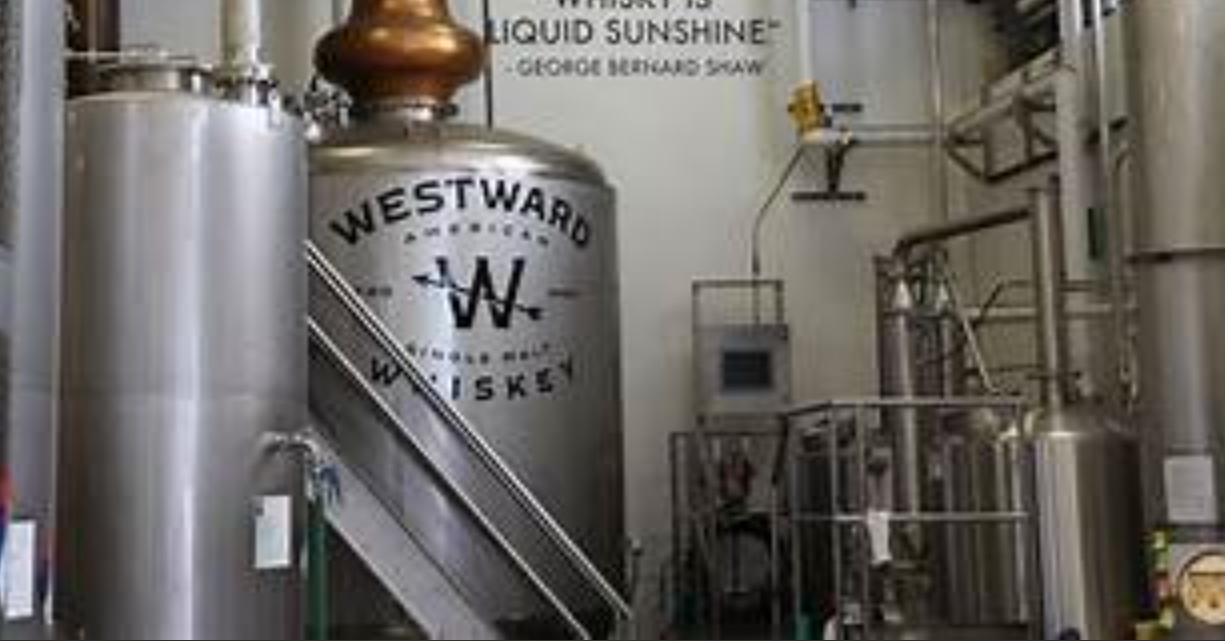
This marks the most severe downturn for U.S. distillers in decades. The crisis threatens thousands of jobs and has forced even iconic brands to make historic cuts to production.
A Wave of Financial Collapse
The bankruptcies began accumulating in early 2025. According to court filings, Boston Harbor Distillery filed on March 31, citing persistent liquidity issues. Westward Whiskey followed in April, struggling with cash flow before a private investor rescue.
Most recently, Ohio’s A.M. Scott Distillery filed with liabilities up to $10 million. Other fallen names include Stoli Group USA and Black Button Distilling. The Distilled Spirits Council confirms this is the worst period for Kentucky distillers in generations.
The financial damage is severe. A.M. Scott reported a 75 percent drop in year-over-year performance. Even industry giant Diageo abandoned its long-term sales targets in early 2025, signaling deep market uncertainty.
Tariffs Trigger a Global Trade Crisis
New tariffs are a primary cause of the distress. According to Reuters, a 15 percent tariff on EU spirits and a 10 percent tariff on UK spirits, implemented by the Trump administration, are reshaping global trade.
The Wine & Spirits Wholesalers of America estimates these tariffs could raise wholesale prices by over 80 cents per gallon. This directly increases costs for bars, retailers, and consumers.
Retaliatory measures have been devastating. Canada banned American spirits in March 2025. This caused U.S. exports to Canada to plummet by 85 percent. Exports to the UK fell 29 percent, while Japan saw a 23 percent decline.
Historic Shift in Drinking Habits
Trade chaos is only half the story. Domestic demand for alcohol is at a historic low. Recent Gallup polling shows only 54 percent of U.S. adults drink, the lowest rate in 90 years.
Younger generations are driving this change. Health concerns and the rise of legal cannabis are major factors. This represents a fundamental, long-term shift in consumer behavior that spells trouble for future growth.
The combination is lethal. Distilleries face higher costs from tariffs just as their customer base shrinks. This one-two punch has left many producers with unsustainable business models.
Jim Beam’s Unprecedented Shutdown
The most shocking signal came in December 2025. Jim Beam, the world’s largest bourbon producer, announced it would halt all production at its flagship Clermont, Kentucky distillery for the entirety of 2026.
The Suntory-owned company cited a need to assess consumer demand. This is the first major shutdown at the facility in over twenty years of expansion. It underscores the depth of the crisis facing even the most established brands.
Industry experts point to a perfect storm. Spirit consultant F. Paul Pacult highlighted the Canadian boycott, generational preference changes, health studies, and past overproduction as converging factors creating extreme pressure.
The surge in distillery bankruptcies reveals an industry at a dangerous crossroads. Recovery depends on resolving trade disputes and adapting to a soberer generation of consumers.
Info at your fingertips
Which major distilleries have filed for bankruptcy recently?
Notable 2025 filings include Boston Harbor Distillery, Westward Whiskey, and A.M. Scott Distillery. Other brands like Stoli Group USA and Black Button Distilling have also sought Chapter 11 protection this year.
How are tariffs affecting spirit prices?
Analysis from industry groups indicates the 15% tariff on EU spirits could increase wholesale prices by more than 80 cents per gallon. This cost is typically passed down to retailers and, ultimately, consumers at bars and stores.
Why did Jim Beam stop production?
Jim Beam announced a full-year production halt at its main Kentucky facility for 2026. The company stated it needed to pause and evaluate appropriate production levels in response to shifting global consumer demand and market conditions.
Is alcohol consumption really declining?
Yes. Gallup reports only 54% of U.S. adults currently drink alcohol. This is the lowest percentage recorded in the nine decades the polling firm has tracked the data, driven largely by younger generations.
Can the industry recover from this?
Recovery is uncertain and faces significant hurdles. It requires tariff relief, adapting to new consumer habits, and successful financial restructuring for the many distilleries currently under bankruptcy protection.
iNews covers the latest and most impactful stories across
entertainment,
business,
sports,
politics, and
technology,
from AI breakthroughs to major global developments. Stay updated with the trends shaping our world. For news tips, editorial feedback, or professional inquiries, please email us at
[email protected].
Get the latest news and Breaking News first by following us on
Google News,
Twitter,
Facebook,
Telegram
, and subscribe to our
YouTube channel.