

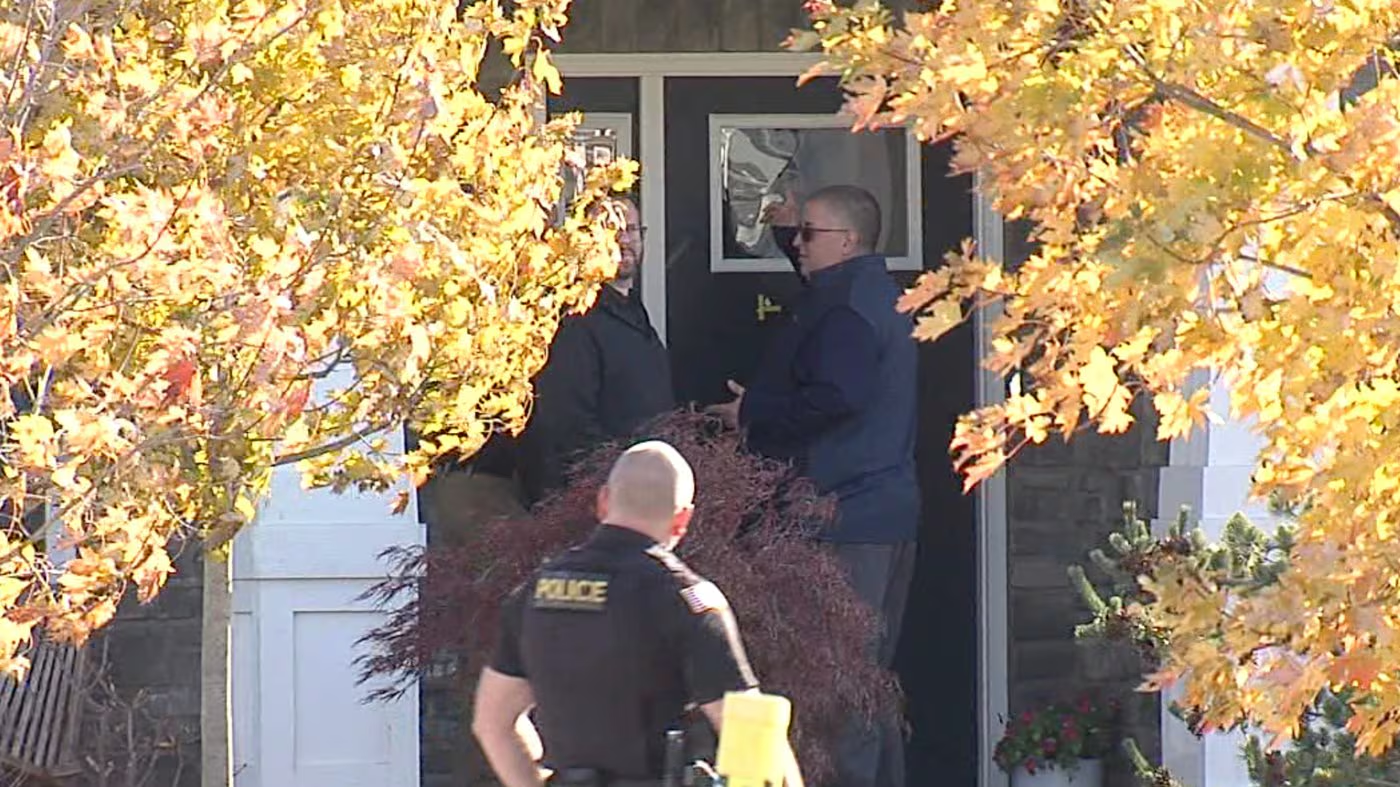
A homeowner in Indiana shot and killed a woman at his door last November. The victim was a house cleaner who went to the wrong address. This tragic case in Whitestown is testing legal boundaries again.It highlights a disturbing national pattern. Similar mistaken-address shootings have occurred from South Carolina to New York. These incidents push stand your ground laws into complex, heartbreaking territory.
A Pattern of Tragic Mistakes and Legal Defenses
According to court documents, Curt Andersen fired through his front door. He did so without warning. The victim was Maria Florinda Rios Perez De Velasquez.Andersen has been charged with voluntary manslaughter. His defense attorney claims the actions were justified. This case could challenge how stand your ground statutes are applied.Other cases reveal a grim consistency. A University of South Carolina student was killed in 2023. He tried entering the wrong home near campus.Authorities did not charge that homeowner. They found the student had broken a window. In Kansas City, Ralph Yarl was shot after ringing the wrong doorbell.The shooter, Andrew Lester, pleaded guilty to assault. He said he was terrified by the stranger. Lester died just days after his plea.
Broader Impact on Legal Perception and Public Safety
These events force a difficult national conversation. They question when fear justifies lethal force. The legal framework varies significantly by state.According to Reuters, stand your ground laws gained prominence after Trayvon Martin’s death. The laws remove the duty to retreat before using force. Jurors must weigh a homeowner’s perceived threat against a visitor’s innocent mistake.The consequences ripple through communities. They create anxiety for residents and visitors alike. Families are left grieving for lives lost over simple errors.For legal experts, each case is a cautionary tale. It underscores the need for clear public understanding of these laws. The balance between self-defense and tragedy remains delicate.
The recent Indiana shooting underscores ongoing national tension. Stand your ground laws continue to face real-world tests. The legal and human costs of these confrontations remain profoundly high.
Thought you’d like to know
What are stand your ground laws?
These laws allow people to use deadly force in self-defense. They remove the legal requirement to retreat from a threat. Over 30 states have some form of this law.
What happened in the recent Indiana case?
A homeowner shot and killed a house cleaner at his door. She had gone to the wrong address in Whitestown. The shooter, Curt Andersen, faces a voluntary manslaughter charge.
Have other similar shootings occurred?
Yes. Several high-profile cases include Ralph Yarl in Missouri and Kaylin Gillis in New York. In South Carolina, a student was killed after entering the wrong home.
What was the outcome for Andrew Lester?
Lester pleaded guilty to assault for shooting Ralph Yarl. He received a suspended sentence. Lester died just days after entering his guilty plea.
Why do these cases challenge the laws?
They test the limit of “reasonable fear.” The shooters often claim they felt threatened. Courts must decide if that fear was justified against an unarmed, mistaken visitor.
iNews covers the latest and most impactful stories across
entertainment,
business,
sports,
politics, and
technology,
from AI breakthroughs to major global developments. Stay updated with the trends shaping our world. For news tips, editorial feedback, or professional inquiries, please email us at
[email protected].
Get the latest news and Breaking News first by following us on
Google News,
Twitter,
Facebook,
Telegram
, and subscribe to our
YouTube channel.


