The Federal Reserve announced its latest policy decision on Wednesday. Officials chose to keep the benchmark interest rate unchanged. This marks the seventh consecutive meeting without a change. The decision was widely anticipated by financial markets.
The central bank’s statement acknowledged “a lack of further progress” on inflation. This suggests rate cuts are not imminent. The Fed’s stance indicates a prolonged period of high borrowing costs for consumers and businesses.
Powell Cites Stubborn Inflation as Key Concern
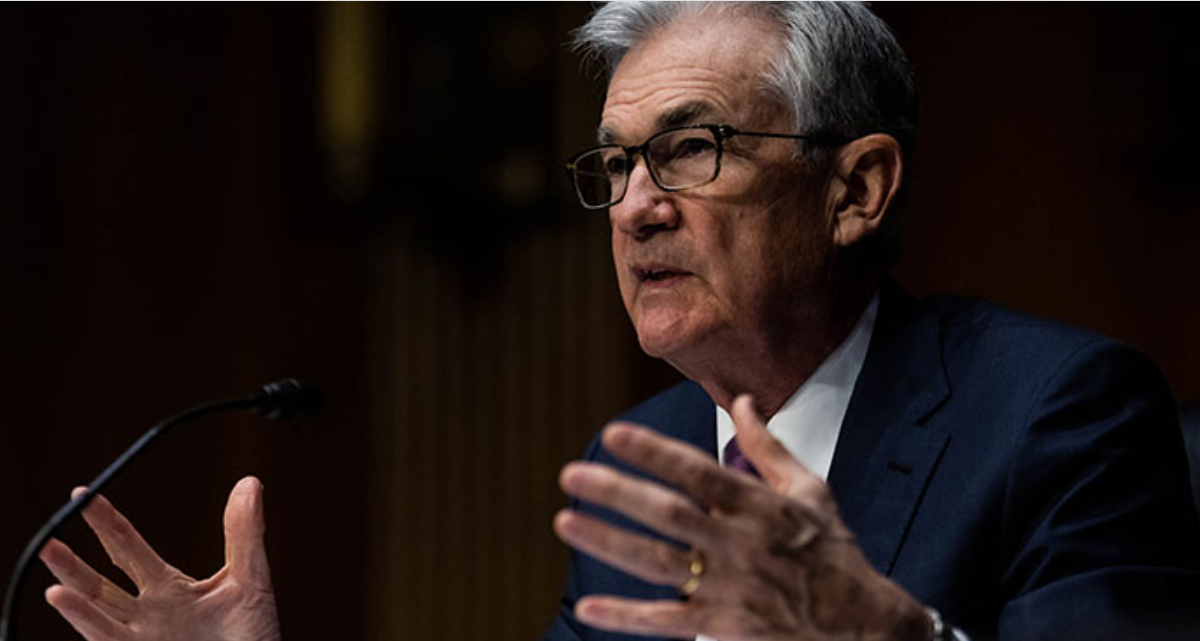
Chair Jerome Powell addressed the media after the announcement. He stated the current policy is well-positioned to guide the economy. However, he expressed clear concern over recent price data. Getting inflation sustainably down to 2% will take longer than expected.
Powell noted that gaining greater confidence in the inflation trajectory is necessary. He signaled that rate cuts are unlikely in the near term. According to Reuters, the Fed’s patience reflects a data-dependent approach. The central bank will need to see several months of improving data before acting.
This decision impacts everything from mortgages to car loans. Americans will continue to face elevated costs for major purchases. Savers, however, may benefit from higher yields on savings accounts for longer.
Economic Growth Cools as High Rates Bite
The Fed’s statement noted that economic activity continues to expand at a solid pace. Recent indicators suggest modest growth, however. Job gains have remained strong over recent months. The unemployment rate has stayed low.
The combination of strong employment and sticky inflation creates a complex puzzle. It limits the Fed’s ability to provide relief without risking a price spiral. Analysts now predict perhaps only one rate cut in 2024, likely late in the year. This is a major shift from expectations of multiple cuts just a few months ago.
For the average household, the message is clear. Budgets will remain tight. The cost of credit card debt, auto loans, and new mortgages is not falling soon. The era of ultra-low interest rates is firmly in the past.
The Federal Reserve’s commitment to battling inflation means interest rates will stay higher for longer. This cautious approach aims to ensure long-term economic stability, even as it extends financial pressure on borrowers.
Info at your fingertips
What is the current Federal Reserve interest rate?
The Federal Reserve held its benchmark rate steady in a range of 5.25% to 5.50%. This is the highest level in over two decades. The rate has remained at this point since July 2023.
When will the Fed cut interest rates?
Chair Powell indicated a cut is not likely soon. The Fed needs more confidence that inflation is moving toward its 2% goal. Most analysts now expect a potential cut late in 2024, if at all.
How does this affect mortgage rates?
High Fed rates keep upward pressure on mortgage interest. Homebuyers face significantly higher monthly payments compared to two years ago. This cools housing market activity and affordability.
What is causing persistent inflation?
Services inflation, including housing and insurance costs, remains elevated. While goods prices have eased, the cost of services is proving sticky. Strong wage growth and consumer spending are also contributing factors.
Will this decision trigger a recession?
The Fed aims for a “soft landing,” slowing inflation without causing a major downturn. Current economic growth remains positive, lowering immediate recession risks. The prolonged high-rate environment, however, increases the chance of an economic slowdown.
iNews covers the latest and most impactful stories across
entertainment,
business,
sports,
politics, and
technology,
from AI breakthroughs to major global developments. Stay updated with the trends shaping our world. For news tips, editorial feedback, or professional inquiries, please email us at
[email protected].
Get the latest news and Breaking News first by following us on
Google News,
Twitter,
Facebook,
Telegram
, and subscribe to our
YouTube channel.