Somalia denounced the Israel recognition of Somaliland on Friday. The move made Israel the first country to accept the breakaway region as an independent state. The announcement came in Tel Aviv and triggered swift reactions in Mogadishu and across the African Union.
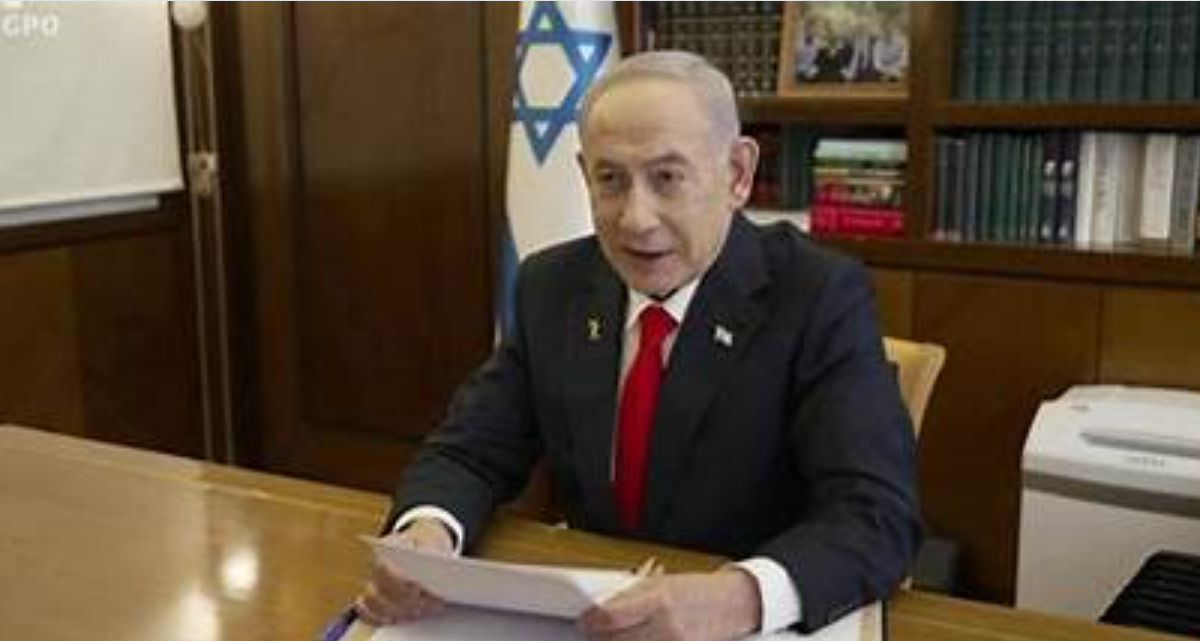
Somalia called the decision a direct attack on its sovereignty. The African Union also warned that the move could shake regional peace. The statement raised fears of wider diplomatic tension in the Horn of Africa.
Regional Anger Grows After Israel Recognition of Somaliland
According to Reuters, Somalia said the Israel action would undermine stability in the region. The African Union said Somaliland remains part of Somalia. The group warned that the step could set a dangerous precedent for the continent.
Somaliland declared independence in 1991. It has pushed for global recognition since then. Its president, Abdirahman Mohamed Abdullahi, said the decision from Israel was historic.
Crowds in Hargeisa filled the streets after the news. Many held Somaliland flags. People said they hoped the move would bring new trade and investment.
Israel said the decision followed the spirit of the Abraham Accords. These agreements came during Donald Trump’s first term. They allowed Israel to expand ties across the Middle East and Africa.
Netanyahu invited Abdullahi for a visit. He said the move could open new economic paths. He also said it could help Israel in the Red Sea region.
Somalia’s allies reacted fast. Turkey condemned the step and called it interference. Egypt also held talks with Somalia, Djibouti and Turkey to show support for Somali unity.
The Palestinian Authority rejected the move as well. It said Israel once named Somaliland as a possible site for forced displacement of Palestinians. It warned governments not to support the plan.
How the Decision May Shape the Region
This decision may shift power in the Red Sea zone. The region sits close to major shipping lanes. Israel has strong security needs in the area.
Analysts say Israel may look for new partners near Yemen. Reuters noted that Israel has struck Yemeni targets in past conflicts. The Houthis once fired missiles toward Israel during the Gaza war.
Somaliland holds a key coastline on the Gulf of Aden. But it remains isolated due to a lack of global recognition. This has blocked loans, aid, and investment for decades.
A recent deal between Ethiopia and Somaliland also raised tensions. Ethiopia agreed to lease coastline access. Somalia said the move violated its territory.
This new recognition from Israel adds another layer to an already tense region. It could reshape alliances. It could also raise new disputes over borders and identity.
The Israel recognition of Somaliland is now a major flashpoint. The move may shift regional politics for years. It also places new pressure on African and Middle Eastern diplomacy.
FYI (keeping you in the loop)-
Q1: Why did Israel recognise Somaliland?
Israel said it wants new partners in the Red Sea region. Officials said it fits the spirit of the Abraham Accords. They also said it could bring economic ties.
Q2: How did Somalia react?
Somalia called the move a direct attack on its sovereignty. It said the step harms regional peace. It asked allies to reject the recognition.
Q3: What did the African Union say?
The African Union said Somaliland is part of Somalia. It warned the move could set a dangerous precedent. It said the continent must support unity.
Q4: Why did some nations condemn the decision?
Turkey, Egypt and other states said the action interferes with Somali affairs. They want to protect Somalia’s borders. They also fear more tension in the region.
Q5: Did the United States support the move?
Donald Trump said the U.S. would not recognise Somaliland. He said most Americans do not know much about it. He gave no further comment.
Trusted Sources: Reuters, AP News, BBC News
iNews covers the latest and most impactful stories across
entertainment,
business,
sports,
politics, and
technology,
from AI breakthroughs to major global developments. Stay updated with the trends shaping our world. For news tips, editorial feedback, or professional inquiries, please email us at
[email protected].
Get the latest news and Breaking News first by following us on
Google News,
Twitter,
Facebook,
Telegram
, and subscribe to our
YouTube channel.