The phrase alvin hellerstein hush money decision climbed after U.S. District Judge Alvin K. Hellerstein rejected Donald Trump’s latest attempt to erase his New York hush-money conviction. The Associated Press reported that Hellerstein ruled Friday that Trump’s reasons for renewing the request were neither new nor legally sufficient. Axios separately reported that the judge issued a 35-page filing and again declined to treat the conduct at issue as an official presidential act.
Trump’s legal team had sought to move the New York state case into federal court and then have it dismissed on presidential-immunity grounds. The request followed the Supreme Court’s ruling on immunity for certain official acts, but Hellerstein’s decision said that the arguments did not apply to the conduct underlying the conviction. AP reported that the judge specifically rejected the claim that paying hush money to adult-film actor Stormy Daniels or covering up an embarrassment was protected by presidential immunity.
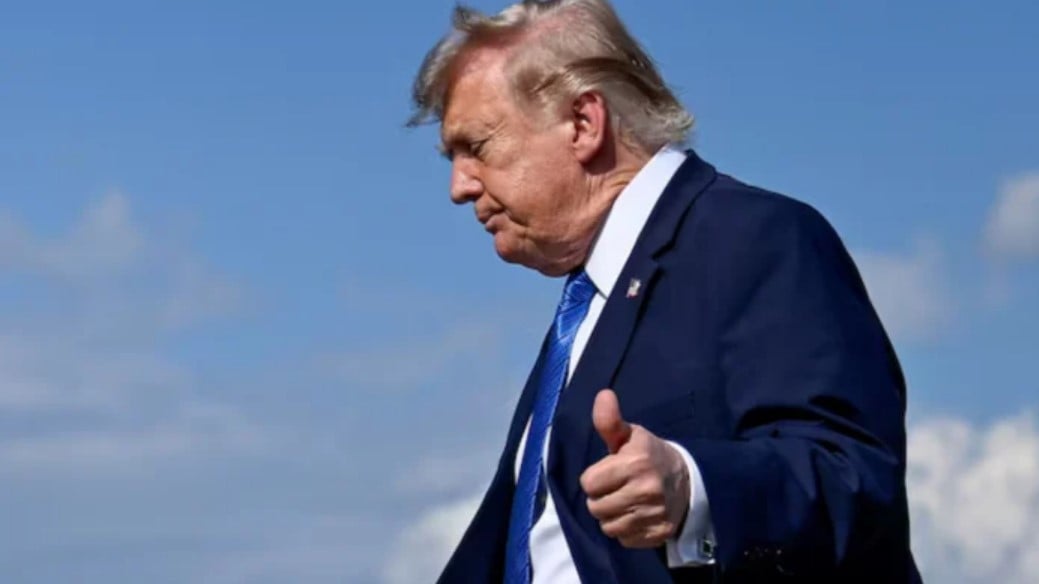
The ruling is procedural rather than a new criminal verdict. Trump was convicted in May 2024 on 34 felony counts of falsifying business records. The current order addresses the attempt to shift the case into federal court and have the conviction set aside. It does not itself create a new conviction, add charges or change the historical verdict.
Hellerstein also dealt with arguments concerning trial testimony by former aides and lawyer Michael Cohen, as well as Trump’s social-media posts. AP reported that the judge found the cited reasons insufficient and that the federal court could not be used as a late route around the state proceedings. Axios said the decision represents another setback in Trump’s effort to overturn the conviction.
The next steps depend on Trump’s legal team and the relevant appellate courts. The verified update is that Hellerstein rejected the latest bid and explained why the immunity argument could not remove the state case from its existing path. Readers should distinguish the judge’s ruling from political reactions and from any future appeal, which must be confirmed through a court filing or named legal representative.

Follow iNews Zoombangla On Google
Open the Google follow page and tap the checkmark option to receive more updates from iNews Zoombangla in your Google news feed.