Human trafficking is exploding across Latin America. Criminal drug gangs are driving the surge. The International Labour Organisation reports a staggering 89% increase in detected cases since 2018. Victims are trapped in forced labor and sexual exploitation.This grim business now generates an estimated $52 billion annually in the Americas. The infrastructure built by the cocaine trade is being repurposed to traffic people. This shift marks a dangerous expansion for organized crime groups.
From Cocaine Routes to Human Smuggling Networks
The gangs’ smuggling routes and corrupt networks are now used for people. According to the UN, three-quarters of global trafficking involves organized crime. Latin American cartels have diversified their illicit operations significantly.Forced labor in illegal gold mines is a major profit center. In Brazil alone, thousands are exploited in remote jungle camps. Women and girls are also trafficked to these zones for sexual exploitation.
A Booming Sex Tourism Industry Fueled by Trafficking
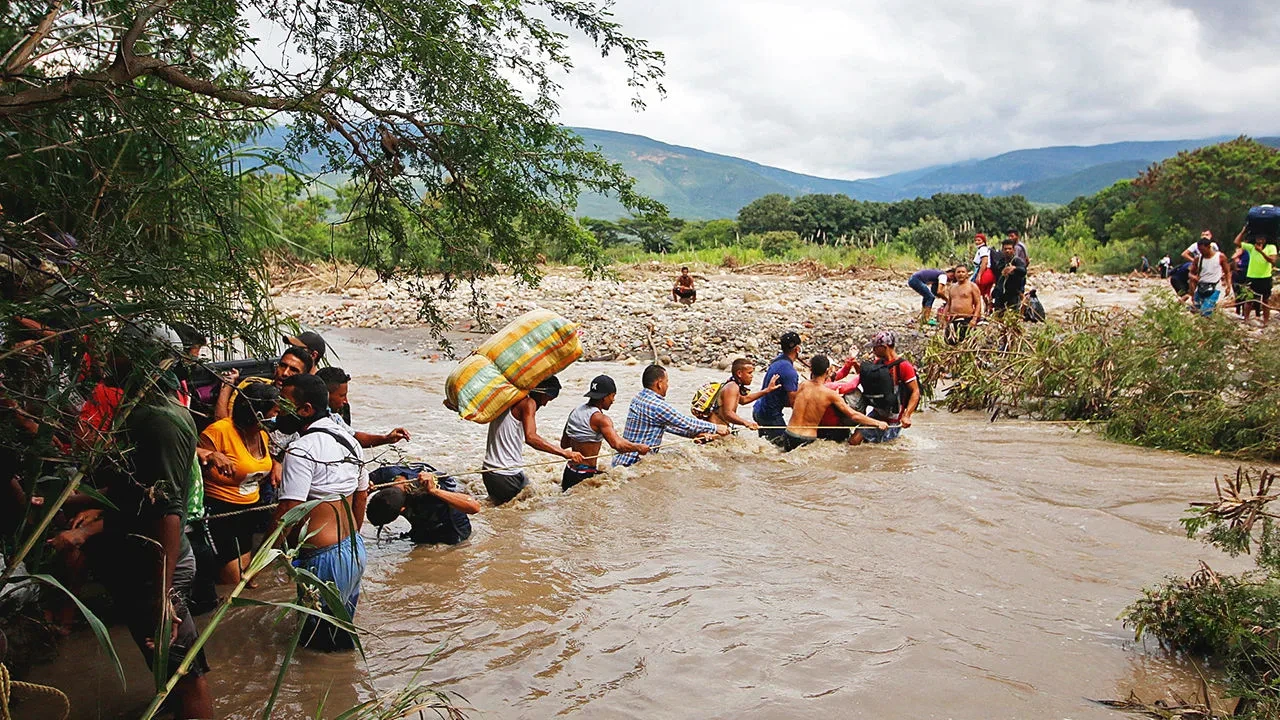
In tourist hubs, gangs selling drugs now also market trafficked women. Cities like Medellín have seen visitor numbers skyrocket. A relaxed attitude toward prostitution in some areas has created a dangerous market.The internet has become a primary recruitment tool. Traffickers use social media to lure vulnerable individuals with fake job offers. They gather personal details to later control and threaten their victims.The crisis is worsened by mass displacement. Over 7.5 million Venezuelans have fled their country, making them easy targets. In border cities, a vile webcam industry preys on these vulnerable migrants.
Landman Season 2 Episode 3 Recap: M-Tex Broke and Gallino’s Grip Tightens
Government response remains critically underfunded and ineffective. Justice for victims is exceptionally rare. The human trafficking epidemic now represents one of the region’s most severe human rights challenges.
Info at your fingertips
Why is human trafficking increasing so quickly in Latin America?
Drug gangs are using existing smuggling and corruption networks to traffic people. Economic crises and mass migration have created a larger pool of vulnerable individuals. The internet has also made recruitment easier for traffickers.
What are the main forms of human trafficking in the region?
The two primary forms are sexual exploitation, mostly of women and girls, and forced labor. Forced labor often occurs in illegal gold mines, farms, and factories. Many victims are also trapped in the sex tourism industry.
Which countries are most affected by this crisis?
Colombia, Brazil, Mexico, Peru, and the Dominican Republic are heavily impacted. These countries are sources, transit points, and destinations for victims. The problem is widespread but reporting and enforcement are weak.
How do traffickers typically recruit their victims?
They often use social media ads promising good jobs or travel opportunities. They offer to pay for flights and expenses, creating a false debt. Once victims arrive, their documents are seized and they are threatened.
Why is it so difficult to stop human trafficking?
The crime receives far less funding and attention than drug enforcement. Police and judges often lack specific training to handle cases. Victims, especially migrants, are frequently not seen as such by authorities.
Are children specifically targeted by traffickers?
Yes. The commercial sexual exploitation of minors has soared since 2019. In parts of Central America and the Caribbean, girls now account for over half of all detected trafficking victims. This is a particularly dark aspect of the trade.
Disclaimer: This report contains descriptions of human trafficking and exploitation. It is based on information from international organizations and reputable investigative sources.
iNews covers the latest and most impactful stories across
entertainment,
business,
sports,
politics, and
technology,
from AI breakthroughs to major global developments. Stay updated with the trends shaping our world. For news tips, editorial feedback, or professional inquiries, please email us at
[email protected].
Get the latest news and Breaking News first by following us on
Google News,
Twitter,
Facebook,
Telegram
, and subscribe to our
YouTube channel.