

Lidar technology leader Luminar has filed for Chapter 11 bankruptcy protection. The filing was made in the Southern District of Texas. This move follows a year of severe financial and operational struggles for the company.
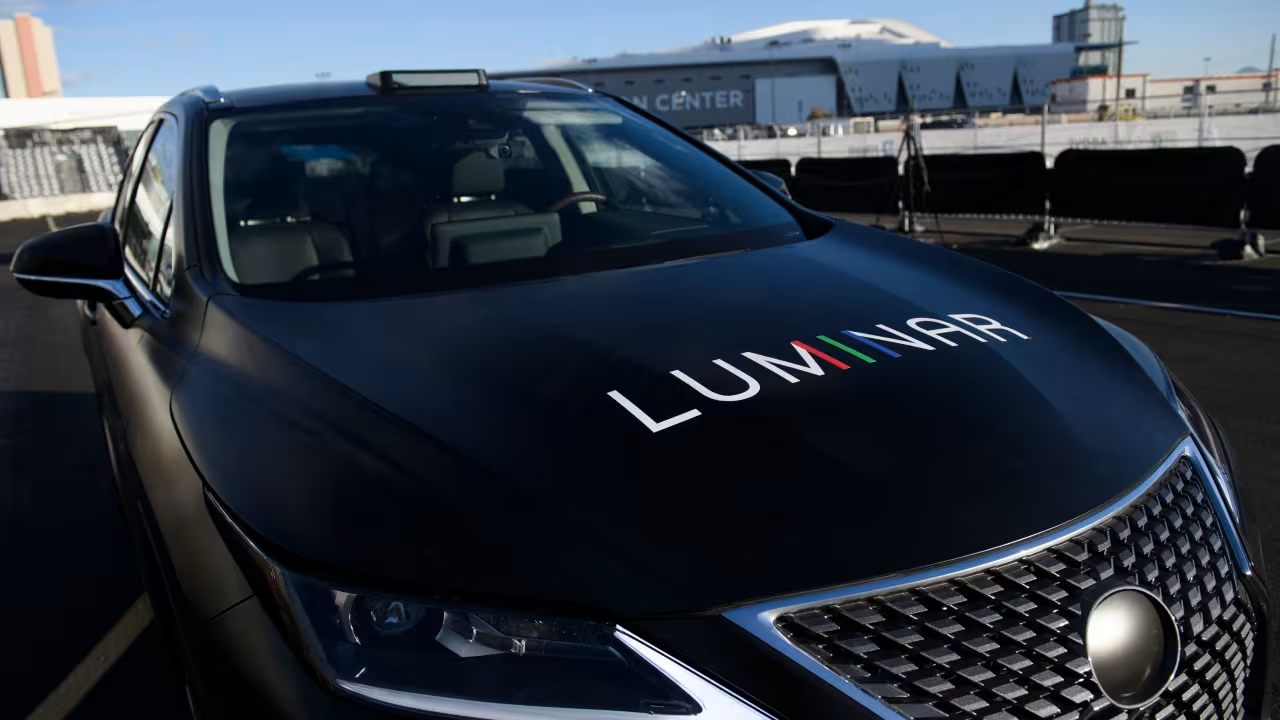
The firm plans to sell its core lidar business during the court-supervised process. According to reports from Reuters and TechCrunch, this marks a dramatic fall for a company once valued over $3 billion. Its journey highlights the volatile nature of the autonomous vehicle technology sector.
From Market Darling to Bankruptcy Court
Luminar’s decline was rapid and public. The company defaulted on several loans earlier this year. A significant Securities and Exchange Commission investigation was also opened.
Its largest customer, Volvo Cars, canceled a major contract in November. Luminar has taken legal action against the automaker over this dissolution. This loss was a critical blow to its revenue and future prospects.
The company also conducted two rounds of layoffs. It cut 25% of its workforce in its most recent reduction. Key executives, including the CFO and founder-CEO Austin Russell, departed amidst the turmoil.
Strategic Shift and Potential Bids for Remaining Assets
The bankruptcy filing initiates a structured sale of Luminar’s assets. CEO Paul Ricci stated the board determined this was the best path forward. The goal is to continue operations and minimize disruption for remaining clients during the process.
Notably, founder Austin Russell may bid for the company’s remains. A spokesperson for his new venture, Russell AI Labs, confirmed this intention to TechCrunch. They expressed a desire to restore customer relationships and build value from Luminar’s technology platform.
The company lists liabilities between $500 million and $1 billion. Its assets are valued between $100 million and $500 million. Major creditors include tech firms like Scale AI and Applied Intuition.
The Luminar Chapter 11 bankruptcy underscores the immense challenges in bringing advanced self-driving tech to market. It signals a pivotal moment for the entire lidar and autonomy industry.
Dropping this nugget your way-
What is Chapter 11 bankruptcy?
Chapter 11 is a form of bankruptcy that allows a company to reorganize its business under court supervision. The goal is often to keep operating while restructuring debts and selling assets to pay creditors.
Will Luminar stop operating immediately?
No. The company states it will continue operations during the bankruptcy process. This is to minimize disruptions for suppliers and any remaining customers while the court oversees the sale of its assets.
What caused Luminar’s financial trouble?
Multiple factors contributed. The loss of its major contract with Volvo was a key blow. The company also faced executive departures, layoffs, loan defaults, and an SEC investigation throughout the year.
What happens to Luminar’s technology?
Its lidar technology and related intellectual property will be sold as part of the bankruptcy asset sale. Founder Austin Russell has indicated he may bid to acquire these assets through his new company.
How does this affect the self-driving car industry?
Luminar’s failure is a significant setback for one path in autonomy technology. It may lead to industry consolidation and cause automakers to reevaluate partnerships with similar tech-focused startups.
iNews covers the latest and most impactful stories across
entertainment,
business,
sports,
politics, and
technology,
from AI breakthroughs to major global developments. Stay updated with the trends shaping our world. For news tips, editorial feedback, or professional inquiries, please email us at
[email protected].
Get the latest news and Breaking News first by following us on
Google News,
Twitter,
Facebook,
Telegram
, and subscribe to our
YouTube channel.


