The television landscape is littered with promising series that vanished after just one season. These shows, often beloved by a dedicated few, leave behind a trail of what-ifs and unfinished stories. Networks and streamers make quick decisions based on ratings and algorithms, leading to abrupt cancellations. This phenomenon has sparked ongoing discussions about the metrics for success in a crowded market. The conversation around these one-season TV shows remains as relevant as ever.
Why Great TV Shows Get Canceled After a Single Season
The reasons for early cancellation are often complex and multifaceted. Low initial viewership remains the primary culprit, especially for networks reliant on traditional advertising. According to The Hollywood Reporter, many critically acclaimed series simply fail to find a large enough audience quickly enough. Shifting corporate strategies and executive changes can also doom a show.Internal creative struggles sometimes play a role. A show might be too niche, too expensive, or too ahead of its time for mainstream acceptance. External events, like the COVID-19 pandemic, led to the un-renewal of several series due to production and financial pressures. The rise of streaming has changed the calculus, but the fate of a show still often hinges on immediate data.
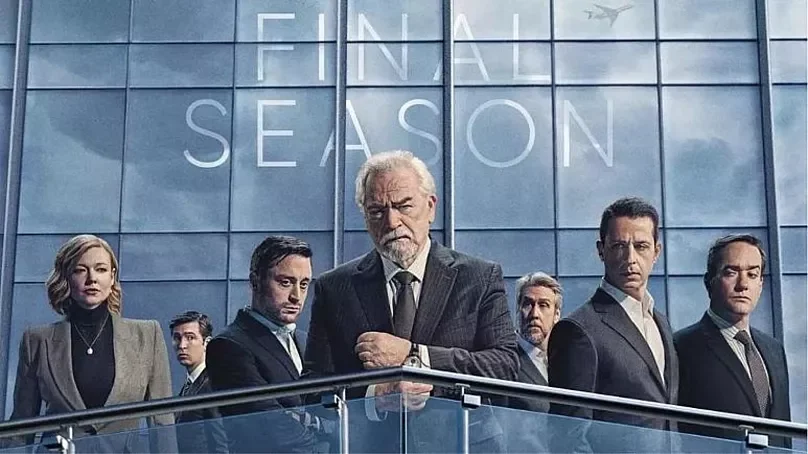
Notable One-Season Wonders That Left Their Mark
Several series have achieved legendary status precisely because of their brief runs. Firefly, Joss Whedon’s space western canceled by Fox in 2003, gained such a devoted following that it spawned a major motion picture, Serenity. Its cultural impact far outstripped its original Nielsen ratings. Similarly, Freaks and Geeks (1999-2000) launched the careers of stars like James Franco, Seth Rogen, and Linda Cardellini, becoming a foundational text for a generation of filmmakers.More recent casualties include Hulu‘s High Fidelity (2020) and Netflix‘s The Society (2019), both of which developed fervent fanbases after their cancellations. These shows answered common viewer questions about quality versus commercial viability. Their stories, though truncated, continue to resonate and find new audiences through streaming platforms.
Major General Hospital Spoilers Reveal 2026 Character Exits and Memorials
The Business Behind the Curtain
Ultimately, television is a business. A show’s survival depends on a favorable cost-to-viewership ratio and alignment with a network’s brand. A series may be creatively brilliant but financially unsustainable. This reality forces difficult decisions that prioritize sustainability over art, leaving many compelling narratives prematurely concluded.
The legacy of these canceled shows endures, proving that a series’ impact isn’t always measured in seasons. Their stories continue to spark debate and admiration, reminding us that in television, longevity and quality are not always synonymous.
iNews covers the latest and most impactful stories across
entertainment,
business,
sports,
politics, and
technology,
from AI breakthroughs to major global developments. Stay updated with the trends shaping our world. For news tips, editorial feedback, or professional inquiries, please email us at
[email protected].
Get the latest news and Breaking News first by following us on
Google News,
Twitter,
Facebook,
Telegram
, and subscribe to our
YouTube channel.