Australia’s Michael Neser claimed his first Test wicket in nearly three years on a dramatic day at the Gabba. He dismissed England’s Zak Crawley for 76 during the second Ashes Test in Brisbane. This breakthrough broke a crucial century partnership and shifted momentum back to the home side.
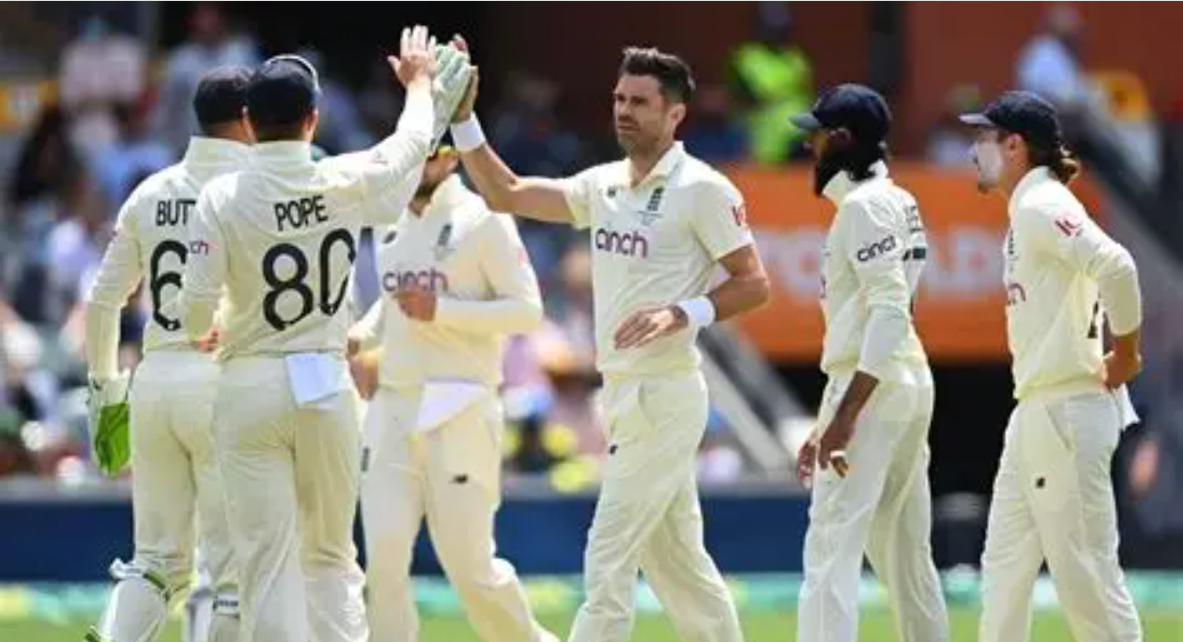
The wicket came under unique circumstances. Australia had opted for a bold, spinner-less attack for the day-night contest. This decision placed extra pressure on the pace unit, making Neser’s contribution vital.
A Crucial Breakthrough After a Long Wait
Neser’s moment arrived in the final session. Crawley had looked composed alongside Joe Root, rebuilding England’s innings after early wickets. Neser bowled a shorter delivery that stayed low.
Crawley attempted a pull shot. He only managed a bottom edge through to wicketkeeper Alex Carey. The dismissal ended a 117-run stand that was England’s longest of the series so far.
For Neser, the relief was evident. His previous Test wicket was in January 2021. According to Reuters, his persistent performance in domestic cricket finally earned this reward on his home ground.
Australia’s Bold Selection Gamble
The context made the wicket more significant. Australia’s selectors made a stunning call by omitting spinner Nathan Lyon. This marked the first time Lyon was left out of a home Test in over a decade.
They fielded an all-pace attack including Mitchell Starc, Scott Boland, and Cameron Green. The strategy relied on exploiting the Gabba pitch and the pink ball under lights. It was a high-risk move that invited immediate scrutiny.
England’s early stumble seemed to justify the plan. Starc removed both Ben Duckett and Ollie Pope for ducks in his opening spell. The tourists were reeling at 12 for two.
The Pink Ball and Shifting Conditions
The day-night format added another layer. The pink Kookaburra ball behaves differently than the traditional red one. It often offers more swing and seam movement under floodlights.
England’s Crawley and Root adapted well to the changing light. They batted through a difficult period to reach 98 for two at tea. Their partnership demonstrated patience and skill.
Neser’s wicket, therefore, was perfectly timed. It halted England’s recovery just as they were building a strong position. It gave Australia a critical advantage heading into the evening session.
Michael Neser’s timely wicket rewarded Australia’s faith in their pace depth and underscored the unpredictable drama of the Ashes. His perseverance provides a compelling subplot in a series where every session can change the narrative.
Info at your fingertips
Who did Michael Neser dismiss for his wicket?
Neser dismissed England opening batter Zak Crawley. Crawley was caught behind by Alex Carey for a well-made 76 runs. The partnership was worth 117 runs with Joe Root.
Why was Nathan Lyon not playing?
Australian selectors dropped Nathan Lyon for this Test match. They opted for an all-pace bowling attack to suit the Gabba conditions. This ended Lyon’s streak of 79 consecutive home Tests.
How did England start their innings?
England had a terrible start, losing two wickets for just 12 runs. Mitchell Starc bowled Ben Duckett and Ollie Pope, both for ducks. This collapse put early pressure on the tourists.
What is significant about a day-night Test?
Day-night Tests use a pink ball for better visibility under lights. The conditions for batting and bowling can change dramatically between day and night. This often leads to exciting, swing-dominated sessions.
iNews covers the latest and most impactful stories across
entertainment,
business,
sports,
politics, and
technology,
from AI breakthroughs to major global developments. Stay updated with the trends shaping our world. For news tips, editorial feedback, or professional inquiries, please email us at
[email protected].
Get the latest news and Breaking News first by following us on
Google News,
Twitter,
Facebook,
Telegram
, and subscribe to our
YouTube channel.