Microsoft held Build 2026 in June with one clear message: Windows is the operating system for AI agents, and Azure is where developers build them.
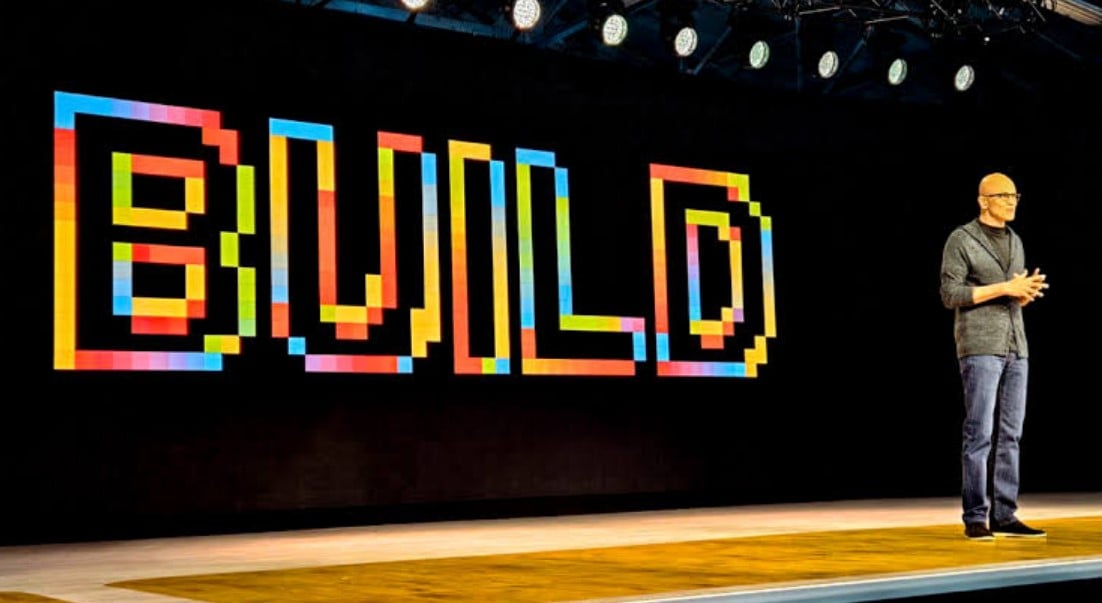
The conference wasn’t about consumers. It was about developers. Satya Nadella and Microsoft AI chief Mustafa Suleyman laid out a vision where Windows evolves from a desktop OS into a platform for autonomous AI systems to run, execute, and interact with the world.
Key Announcements
Windows Developer Configurations is now generally available. It’s a one-command setup that turns a Windows 11 machine into a developer-ready environment. This removes friction. Developers can start building immediately, not spend a day installing dependencies.
WSL containers are coming to public preview. That’s Windows Subsystem for Linux getting full container support with native CLI and API access. Developers can run Linux container workloads natively on Windows without virtualization overhead.
Azure Cobalt 200 VMs deliver 50% performance improvement over previous generations. They’re optimized for agentic AI workloads—the exact type of applications Microsoft is betting on.
Microsoft announced new data + AI platform direction through Microsoft Fabric and Microsoft Databases. The infrastructure for building scalable agentic applications is now available end-to-end.
The Strategic Shift
Microsoft is repositioning Windows as a first-class execution environment for AI agents, not just a desktop for users to sit at.
This is smart. Developers build agents. Agents run on infrastructure. Windows can be that infrastructure. Azure is the cloud backend. Together, they form a complete stack.
It’s also a competitive move. OpenAI and Anthropic are building agents. Those agents need to run somewhere. Microsoft wants them running on Windows and Azure.
Microsoft is playing the long game. It’s betting that the next generation of software is agentic, and positioning itself as the platform of choice for building and running it.

Follow iNews Zoombangla On Google
Open the Google follow page and tap the checkmark option to receive more updates from iNews Zoombangla in your Google news feed.