Microsoft has clarified a controversial statement about using artificial intelligence to rewrite its core software. The company says it has no plans to overhaul Windows using AI, despite a senior engineer’s social media post suggesting otherwise. The incident highlights the tension between ambitious internal research and public communication at major tech firms.
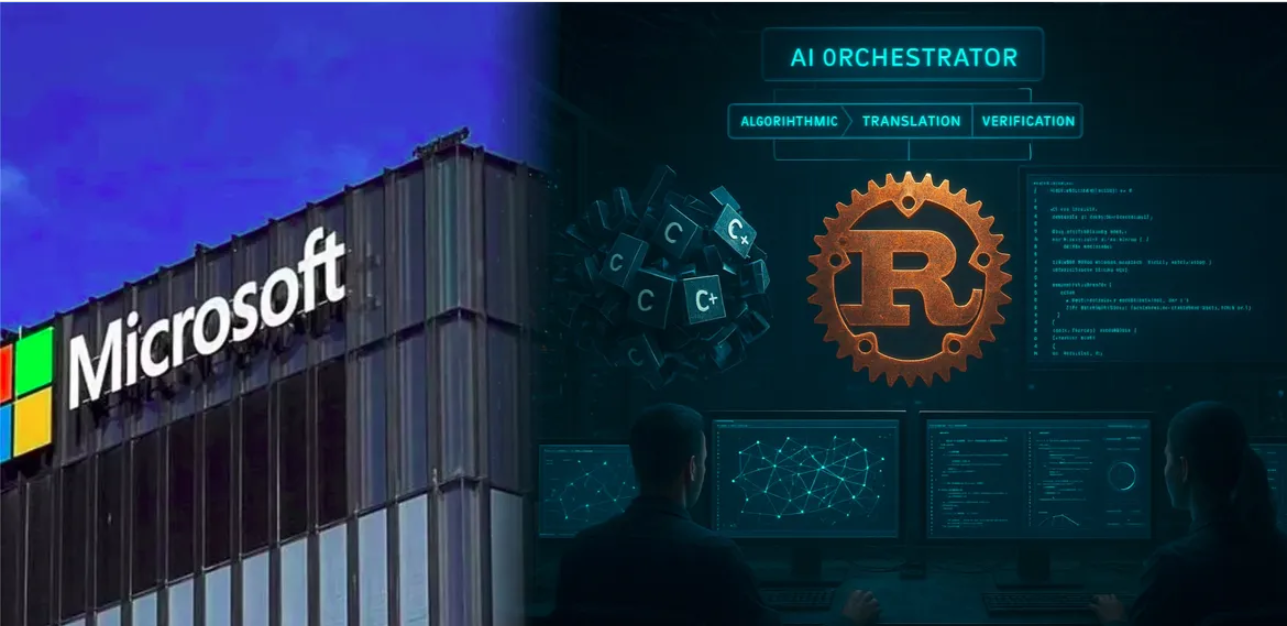
The confusion began with a LinkedIn post from a distinguished engineer. It outlined a bold goal to eliminate older programming languages. The tech community reacted swiftly, forcing an official correction from Microsoft’s communications team.
The LinkedIn Goal That Set the Internet Ablaze
Galen Hunt, a Microsoft Distinguished Engineer, posted on LinkedIn in late December. His message stated a personal goal to “eliminate every line of C and C++ from Microsoft by 2030.” He described using AI and algorithms to rewrite the company’s largest codebases. The phrasing suggested a formal corporate initiative.
Many interpreted this as a plan to rewrite Windows in Rust, a modern programming language. The post sparked immediate debate across developer forums and social media. Concerns ranged from technical feasibility to the stability of the world’s most widely used operating system.
Microsoft moved quickly to address the growing speculation. Frank X. Shaw, the company’s head of communications, provided a statement to media outlets. He explicitly said Microsoft has “no plans” to rewrite Windows 11 using AI and Rust.
Clarifying the Research Behind the Statement
Following the backlash, Galen Hunt edited his original LinkedIn post. He added a clarification to correct the widespread misunderstanding. Hunt stated his team’s work is a research project, not a product roadmap for Windows.
He explained his team is building technology to enable migration between programming languages. Their use of Rust is a demonstration target, not a mandated destination for all code. The post’s intent was to recruit engineers for this long-term research effort.
This research falls under Microsoft’s CoreAI group. The genuine exploration involves how AI can assist in large-scale code translation. It is not a secret plan to tear down and rebuild Windows from scratch.
The Real Drive Behind Microsoft’s AI Code Ambitions
The strong reaction stems from a real industry-wide shift. Memory safety is a critical concern in software security. Languages like C and C++, which form the backbone of Windows, are prone to certain types of vulnerabilities.
According to shared industry research, about 70% of security vulnerabilities relate to memory safety. Rust offers stronger safeguards against these errors. This makes it an attractive area for research for any company invested in security.
Microsoft CEO Satya Nadella has noted the company’s growing use of AI in development. He stated AI already helps write approximately 30% of new code at Microsoft. This percentage is expected to rise significantly in the coming years.
The episode underscores the challenge of separating future-facing research from immediate product plans. While a complete Microsoft AI code rewrite of Windows is not on the table, the research into safer, more efficient development continues.
Thought you’d like to know
Q1: Is Microsoft really rewriting Windows in a new language?
No, Microsoft has officially denied this. The head of communications stated there are “no plans” to rewrite Windows 11 using AI and the Rust language. The source of the confusion was a research engineer’s social media post about long-term exploration.
Q2: What was the engineer actually talking about?
Galen Hunt leads a research team exploring AI-powered code translation. Their project is focused on building tools that could help migrate large codebases between languages in the future. It is not an active plan for current Windows versions.
Q3: Why is there so much interest in replacing C and C++?
Security is the main driver. Studies by Microsoft and others indicate around 70% of high-severity vulnerabilities are related to memory safety issues, which are common in C and C++. Newer languages like Rust are designed to prevent these errors.
Q4: How much code does Microsoft’s AI write right now?
According to CEO Satya Nadella, AI assists in writing roughly 30% of the company’s new code. This figure is part of a broader company-wide push to integrate AI tools into the software development lifecycle to improve productivity.
Q5: Will Windows users see any impact from this research?
Not in the immediate future. This is a multi-year research project. Any practical application to a product as vast and critical as Windows would require extensive testing and validation over a very long period, if it happens at all.
iNews covers the latest and most impactful stories across
entertainment,
business,
sports,
politics, and
technology,
from AI breakthroughs to major global developments. Stay updated with the trends shaping our world. For news tips, editorial feedback, or professional inquiries, please email us at
[email protected].
Get the latest news and Breaking News first by following us on
Google News,
Twitter,
Facebook,
Telegram
, and subscribe to our
YouTube channel.