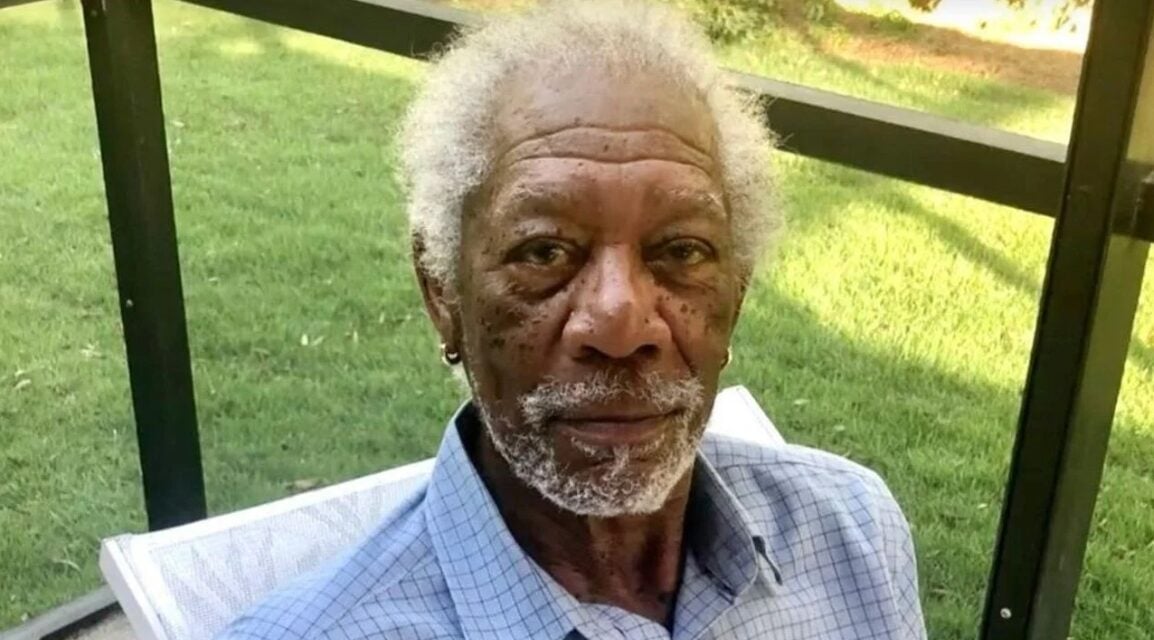
Academy Award winner Morgan Freeman has publicly condemned the unauthorized use of artificial intelligence to clone his voice. The actor expressed his frustration in a recent interview. He views the practice as a form of theft against performers.
His comments highlight a growing ethical battle in the entertainment industry. Major studios are increasingly exploring AI to cut costs. This move directly threatens voice actors and their livelihoods.
A Legendary Voice Fights Back Against Digital Replication
Freeman did not mince words about the technology. “I’m a little PO’d,” he told The Guardian. He stressed that actors should be paid for the use of their unique vocal talents.
He sees unauthorized AI mimicry as outright robbery. The renowned narrator confirmed his legal team is actively addressing these infringements. “My lawyers have been very, very busy,” Freeman stated.
This stance contrasts with other industry figures. James Earl Jones permitted AI to replicate his Darth Vader voice after retiring. Freeman, however, remains firmly opposed to such uses without consent.
The Broader Impact on Actors and Artistic Integrity
Freeman’s protest is part of a wider industry reckoning. The rise of generative AI tools poses a fundamental challenge to creative professions. SAG-AFTRA, the actors’ union, has made AI protections a central issue in recent negotiations.
The concern extends beyond simple payment. It touches on the core of artistic ownership and identity. When a voice can be perfectly replicated, an actor’s most recognizable asset is at risk.
This debate will shape Hollywood‘s future. It forces a conversation about the value of human performance. The outcome will affect everyone from A-list stars to background voice artists.
Morgan Freeman’s stand against AI voice cloning marks a critical moment for creative rights. It underscores the urgent need for clear legal and ethical frameworks in the digital age.
A quick knowledge drop for you
Q1: What exactly did Morgan Freeman say about AI cloning his voice?
He said he was “a little PO’d” and considers it robbery. Freeman believes actors should be paid for the use of their vocal likeness, and unauthorized replication steals their work.
Q2: How is James Earl Jones’ situation different?
Jones officially approved and licensed the use of AI to replicate his iconic Darth Vader voice for future projects. Freeman, in contrast, has not given any such permission for his voice.
Q3: Is this a common issue for actors now?
Yes. The use of AI to clone voices and likenesses became a major point of contention in the 2023 Hollywood strikes. Unions are fighting for strict consent and compensation rules.
Q4: What can happen if a voice is cloned without permission?
Victims can pursue legal action for violation of publicity rights and copyright infringement. Freeman indicated his lawyers are actively pursuing such cases on his behalf.
Q5: Why are studios interested in AI voice technology?
Studios see potential cost savings and logistical ease. AI could recreate voices for future projects without the actor’s ongoing involvement, or even resurrect voices for deceased performers.
iNews covers the latest and most impactful stories across
entertainment,
business,
sports,
politics, and
technology,
from AI breakthroughs to major global developments. Stay updated with the trends shaping our world. For news tips, editorial feedback, or professional inquiries, please email us at
[email protected].
Get the latest news and Breaking News first by following us on
Google News,
Twitter,
Facebook,
Telegram
, and subscribe to our
YouTube channel.