A major shift in U.S. visa processing is causing significant delays for skilled foreign workers. The U.S. State Department has expanded mandatory social media vetting to include H-1B visa applicants and their H-4 dependents.
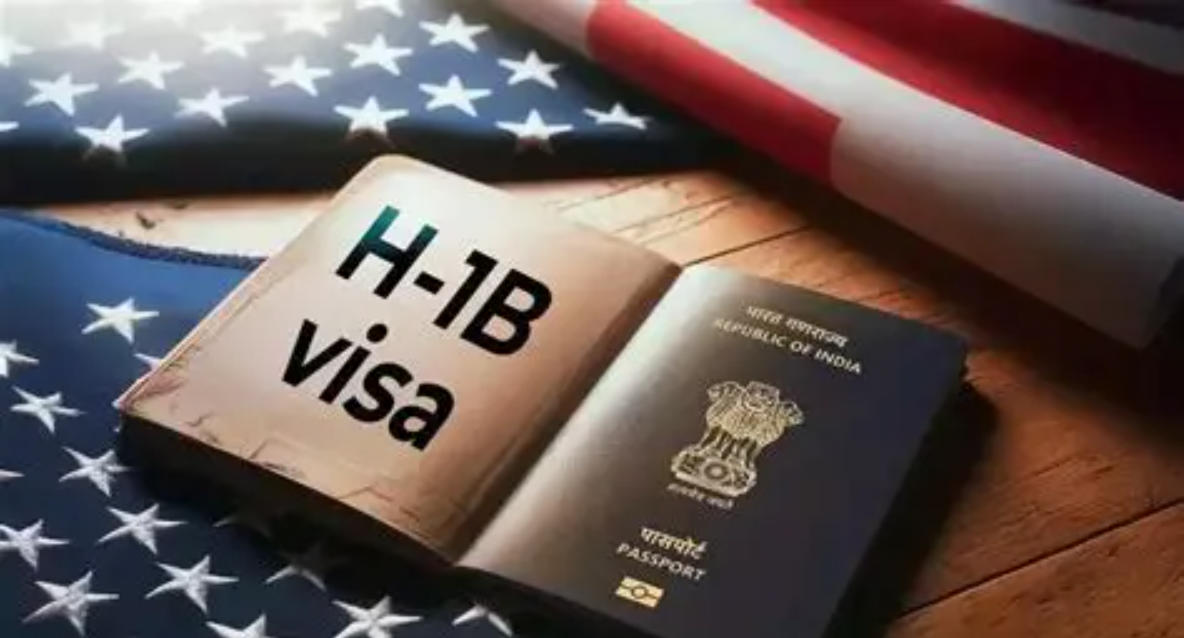
The new policy took effect in mid-December. It has already led to postponed appointments and passport holds. Many professionals are now stuck in administrative limbo.
Initial reports confirm a sharp rise in temporary visa denials. Applicants are receiving notices for further review. This H-1B visa social media vetting marks a substantial policy change for work visas.
Visa officers are now asking applicants about their online profiles. They want to know if accounts are public or private. This conversation happens during the standard interview.
The immediate result is a procedural delay. Officers are not making instant decisions. Instead, they issue a 221(g) slip for administrative processing.
This slip is a temporary denial. It means the case requires further review. The passport is often held by the consulate during this period.
Online forums are filled with applicant experiences. Some see their status change to ‘approved’ within a day. Others wait weeks with no update.
The uncertainty is stressful for workers and their families. It disrupts job start dates and return travel plans. Companies relying on this talent are also facing operational hurdles.
Understanding the 221(g) Visa Slip and Its Implications
The 221(g) slip is not a final refusal. It is a request for more information or processing. The color of the slip varies by consulate, but instructions matter most.
Currently, many applicants report receiving a white slip. Immigration attorneys note the color itself is not definitive. The written instructions on the form dictate the next steps.
In this new context, the slip often signals a social media review. Officers must vet an applicant’s public online presence. This process simply takes more time.
If a passport is returned with the slip, the delay could be longer. It may indicate a need for additional documentation. If the passport is kept, approval might be quicker.
There is no set timeline for this administrative processing. It can take a few days or several months. Applicants are advised to be patient and avoid making travel plans.
Indian H-1B Applicants Face Major Disruption from Policy Shift
Indian nationals are disproportionately affected by this change. They receive the majority of new H-1B visas each year. Many travel home to India for mandatory visa stamping.
Numerous reports confirm a wave of appointment cancellations. Slots are being rescheduled for April or May. This leaves professionals stranded far from their U.S. jobs.
The situation creates severe financial and personal strain. Workers cannot return to the United States without a valid visa stamp. They risk losing their employment status.
Families are separated. Project timelines are jeopardized. The policy’s rollout has been described as abrupt and chaotic.
According to the Associated Press, the State Department acknowledges the new checks. Officials say they are necessary for national security. They did not, however, provide a timeline for normalized processing.
The expanded H-1B visa social media vetting has created a bottleneck in the system. Its full impact on the tech industry and skilled worker mobility remains to be seen. The delays are likely to persist as consulates adapt to the new screening protocol.
iNews covers the latest and most impactful stories across
entertainment,
business,
sports,
politics, and
technology,
from AI breakthroughs to major global developments. Stay updated with the trends shaping our world. For news tips, editorial feedback, or professional inquiries, please email us at
[email protected].
Get the latest news and Breaking News first by following us on
Google News,
Twitter,
Facebook,
Telegram
, and subscribe to our
YouTube channel.