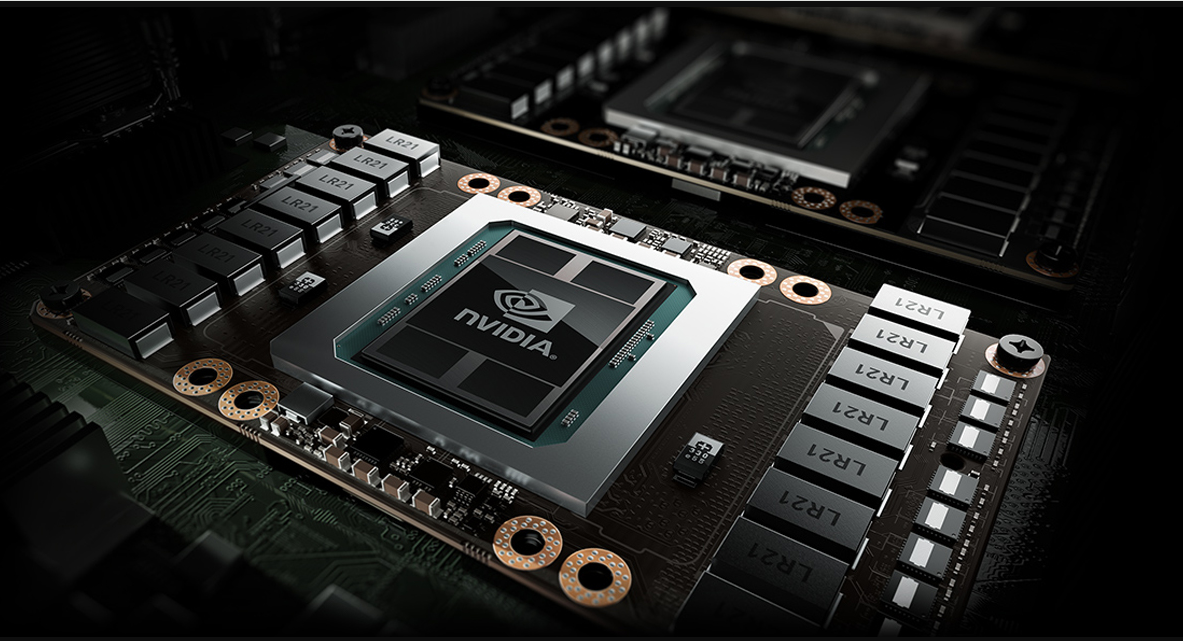
In late 2025, the graphics card world faces a new kind of uncertainty. According to multiple reports, including Tom’s Hardware, Digital Trends, and SSBCrack News, Nvidia—the world’s largest GPU manufacturer—is rumored to be ending its long-standing practice of bundling video memory (VRAM) with its graphics processing units (GPUs) for board partners. Instead, vendors will receive just the GPU die, forcing them to independently source the VRAM required to complete their graphics cards.
Why does this matter? At a time when the global memory market is in crisis, with skyrocketing demand from the artificial intelligence (AI) sector draining supply, this change could ripple through the entire PC hardware industry, affecting everything from product pricing to consumer choice.
Memory Crunch: The AI Boom’s Unintended Consequence
The root cause of Nvidia’s rumored shift is a severe global shortage of VRAM, specifically high-speed GDDR memory chips, which are essential for modern GPUs. Memory manufacturers like Samsung, Micron, and SK Hynix have pivoted production to serve the lucrative AI sector, leaving traditional retail markets—including gaming and consumer graphics—struggling to secure enough supply.
Nvidia, which does not produce VRAM itself, has historically bundled memory with its GPU dies, offering board partners a streamlined package. This approach made life easier for many, particularly smaller Add-In Board (AIB) partners, who lack the scale and supply-chain clout of giants like ASUS, MSI, or Gigabyte.
However, as AI workloads gobble up ever more memory, the economics of bundling have shifted. Now, even Nvidia finds it impractical to continue sourcing and packaging VRAM at the necessary scale. Large vendors already have experience buying memory directly, but for smaller partners, the prospect of navigating the turbulent memory market alone is daunting.
Impact on Vendors and Consumers
The consequences of this rumored policy change are starkly divided. Large board partners—those with established industry relationships and the ability to buy in bulk—are likely to adapt quickly. For these companies, sourcing VRAM is already routine, and they can negotiate competitive prices with suppliers.
But for smaller AIBs, the situation is more perilous. Without the buying power to secure memory at reasonable rates, their costs could rise significantly. This could squeeze profit margins to the breaking point, potentially leading to market exits reminiscent of EVGA’s departure in 2022, when it cited tensions and alleged mistreatment by Nvidia.
For PC builders and gamers, the effect could be immediate and painful. With memory shortages driving up component costs, new graphics cards may become more expensive, especially at the lower and mid-range tiers. The days of affordable upgrades could be numbered, as vendors pass increased costs along to buyers.
Another side effect is market confusion. As partners source VRAM independently, differences in memory type and quality could proliferate. Two GPUs with the same model number might end up sporting different memory speeds or capacities, making apples-to-apples comparisons harder for consumers.
Nvidia’s rumored VRAM policy change highlights the fragile state of the global tech supply chain. If confirmed, this move will likely reshape the graphics card market for years to come, favoring large corporations and testing the resilience of smaller players and consumers alike.
A quick knowledge drop for you
What is the main reason for this potential Nvidia policy change?
The global shortage of high-speed GDDR memory is the primary driver. Memory manufacturers are prioritizing the booming AI sector, which is consuming vast quantities of chips, leaving less supply for the consumer GPU market.
Which GPU brands will be most affected?
Smaller Add-In Board (AIB) partners like Inno3D and Gainward will face the biggest challenges. They lack the bulk purchasing power of larger companies like ASUS or MSI, making it harder to secure VRAM at competitive prices.
How will this affect the price of graphics cards?
Experts predict graphics card prices, particularly for budget and mid-range models, are likely to increase. The added cost and complexity of sourcing VRAM will be passed on to consumers.
Could this lead to inconsistencies between the same GPU models?
Yes, it could. Different board partners might use varying types or brands of VRAM on their versions of the same Nvidia GPU model. This could lead to slight performance variations between different brands.
Is this policy confirmed by Nvidia?
No, this policy remains a rumor as of late 2025. The information originates from industry leaks reported by tech media and has not been officially confirmed or denied by Nvidia.
iNews covers the latest and most impactful stories across
entertainment,
business,
sports,
politics, and
technology,
from AI breakthroughs to major global developments. Stay updated with the trends shaping our world. For news tips, editorial feedback, or professional inquiries, please email us at
[email protected].
Get the latest news and Breaking News first by following us on
Google News,
Twitter,
Facebook,
Telegram
, and subscribe to our
YouTube channel.