Pakistan Army Chief Asim Munir has moved into a stronger global position after Pakistan and Saudi Arabia signed a major defence pact in September 2025. The deal marked a clear shift in West Asia’s security plans as conflicts continue to spill across the region. According to The Hindu and other reputable outlets, the agreement has placed Pakistan back in the centre of Gulf security thinking. It also pushed Field Marshal Munir into the spotlight at a sensitive time for the region.These gains come as Arab states face new security threats. Many now fear that the United States may not provide the same level of support it once did. This has opened the door for Pakistan to present itself as a useful partner.
Asim Munir Expands Role Through Saudi Defence Agreement
The Strategic Mutual Defence Agreement is seen as one of Pakistan’s biggest diplomatic wins in years. The Hindu reports that the deal arrived as Saudi Arabia and other Gulf states reassessed their defence needs after continued violence in Gaza and strikes across the region. Short paragraphs from Reuters and AP have also noted that Arab states are seeking more regional cooperation as the conflict widens.Saudi Arabia sees value in Pakistan’s large and trained military force. As Gulf states prepare for possible new peacekeeping roles, including in Gaza, Pakistan becomes a natural fit. Pakistan has sent troops to the Gulf in the past, and its security ties with Saudi Arabia stretch back decades.Recent images of Prime Minister Shehbaz Sharif taking a back seat during major diplomatic events also showed how military leaders are shaping Pakistan’s foreign policy. Munir’s rise comes at a time when Western powers and Arab governments want reliable partners. Pakistan, despite its economic troubles, has stepped forward at the right moment.The Hindu notes that Pakistan’s earlier ties with Gulf states were uneven. The UAE once limited visas for Pakistanis over security concerns. Saudi loans often came with strict conditions. Pakistan also angered Riyadh in 2015 when it refused to join the Yemen war. Today, those tensions appear to have eased as Gulf leaders seek dependable military partners
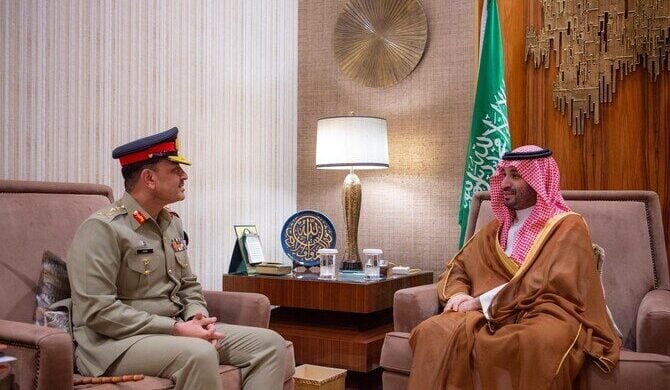
Regional Shifts Put Pakistan Back in Gulf Strategy
The Gaza war, now stretching over several years, has changed regional security thinking. According to major global news outlets, Israel has expanded its operations into Yemen and even Iran. One Israeli strike in Doha killed a Qatari officer. Another strike hit Iran after it targeted a U.S. base in Qatar. These events pushed Gulf states toward deeper cooperation and less reliance on Washington.Pakistan stepped into this moment with renewed purpose. Field Marshal Munir used the instability to show Pakistan’s value in a region searching for dependable allies. His moves strengthened his hold over Pakistan’s politics at a time when the military already controls most major decisions.Still, experts warn that Pakistan’s deeper role in Gulf security does not fix its domestic crises. The Hindu notes that Pakistan continues to face major political and economic challenges. These may limit how far the current gains can take the country. Munir’s rise is tied to global turbulence, not long-term strategy, and that may not be enough to sustain Pakistan’s new influence.
Aflac Data Breach Exposes Personal Data of Over 22 Million Customers
Pakistan’s new defence role gives Asim Munir more power for now. But the long-term impact of this shift, driven by the main keyword Asim Munir, will depend on how regional tensions evolve.
FYI (keeping you in the loop)-
Q1: Who is Asim Munir?
Asim Munir is Pakistan’s Army Chief. He now holds major influence in the country. His power has grown due to shifting regional politics.
Q2: What is the Saudi-Pakistan defence pact?
It is a defence agreement signed in September 2025. It aims to support joint security goals. Saudi Arabia sees Pakistan as a useful military partner.
Q3: Why is the region seeking new security partners?
Conflicts in Gaza and beyond have spread since 2023. Gulf states fear the U.S. may not give full support. This has pushed them to work more with regional allies.
Q4: How does this deal affect Pakistan?
It brings Pakistan back into Gulf diplomacy. It also boosts Munir’s political power at home. But it does not solve Pakistan’s economic issues.
Q5: Why is Pakistan important to Saudi Arabia?
Pakistan has a large military. It can support Gulf security needs. Saudi Arabia sees this as useful for future regional missions.
iNews covers the latest and most impactful stories across
entertainment,
business,
sports,
politics, and
technology,
from AI breakthroughs to major global developments. Stay updated with the trends shaping our world. For news tips, editorial feedback, or professional inquiries, please email us at
[email protected].
Get the latest news and Breaking News first by following us on
Google News,
Twitter,
Facebook,
Telegram
, and subscribe to our
YouTube channel.