Pakistan has raised fresh concerns about a sharp drop in the Jhelum River’s water flow. The issue came to light this week in Islamabad. Officials said the decline began after India allegedly held and then released water without notice. The change was first reported by The Dawn. The Jhelum decline follows a similar warning about the Chenab River last week.
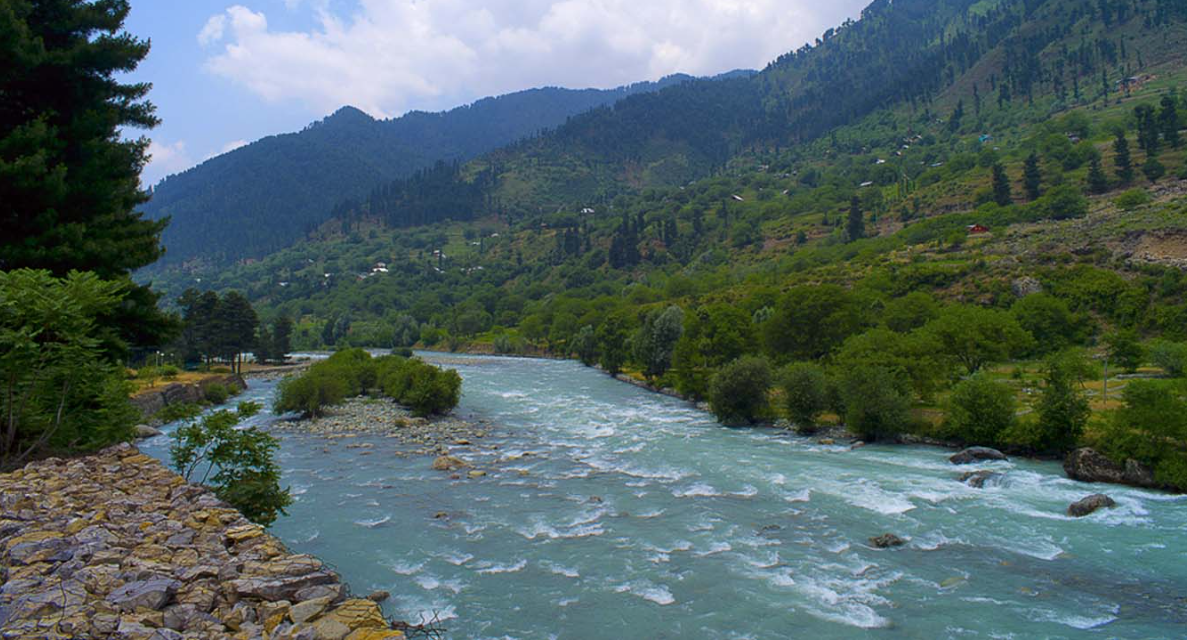
The Jhelum River is a key source of water for Pakistan’s farm belt. The drop has hit during the Rabi season. This timing has made the situation more tense. Pakistan said the fall in water levels could affect millions of farmers. According to Reuters and other major outlets, water disputes between India and Pakistan remain high after India suspended the Indus Waters Treaty earlier this year.
Jhelum River Water Decline Raises Fresh Fears
Pakistan’s Indus Waters Commissioner said the Jhelum River is now bringing far less water to the Mangla Dam. Officials said the inflow fell from over 5,000 cusecs to about 3,000 cusecs. They said this drop is severe for a river that supports key farmland in Punjab. The Dawn reported that more than half of the irrigated land may see less water if the fall continues.
Pakistan has not formally raised the Jhelum issue with India yet. Officials said they are checking daily flow numbers before taking the next step. They confirmed they had already written to India about sudden changes in Chenab River flow. India has not replied to either concern.
According to AP News and BBC reports, river flow patterns can change due to snowmelt shifts and rainfall cycles. But Pakistan said the recent changes seem abrupt. Officials warned that any major disruption now could hurt crops and raise food costs.
Concerns Rise After Earlier Chenab Flow Variation
Last week, Pakistan warned India about the Chenab River. It said India released 58,000 cusecs of water and then lowered the flow sharply the next day. Geo News reported that the sudden change pushed Pakistan to send an urgent notice. The levels later stabilized, but concerns remain.
The Indus Waters Treaty guides water sharing between the two nations. It was signed in 1960 and survived wars and crises. India suspended the treaty this April after a major attack in Pahalgam. Since then, Pakistan has said any long-term cut in water flow would be a serious threat.
Experts told Reuters that the latest tension shows how fragile the river system has become. They said both countries depend on steady water flow for power and food. They also warned that climate pressure is making water disputes harder to manage.
Pakistan said it wants the Jhelum River flow restored. It warned that unstable water levels could hurt crops and push the issue into a deeper dispute. The Jhelum River will remain the main keyword in the coming talks.
FYI (keeping you in the loop)-
Q1: Why is the Jhelum River flow falling?
The flow has dropped from about 5,000 cusecs to 3,000 cusecs. Pakistan says the change came after India altered water releases. Officials are tracking the numbers daily.
Q2: How is the Jhelum River important?
The river feeds major farmland in Punjab. It supports irrigation for millions of acres. It also supplies water to the Mangla Dam.
Q3: What happened with the Chenab River?
Pakistan said India released 58,000 cusecs and then reduced the flow sharply. Levels later returned to normal. The move raised concern about sudden river changes.
Q4: What role does the Indus Waters Treaty play?
The treaty divides river rights between India and Pakistan. It was signed in 1960. India suspended it earlier this year after rising tensions.
Q5: Could the water issue impact food supply?
Pakistan says yes. Low river flow during the Rabi season can hurt crops. This can raise food prices and pressure rural areas.
iNews covers the latest and most impactful stories across
entertainment,
business,
sports,
politics, and
technology,
from AI breakthroughs to major global developments. Stay updated with the trends shaping our world. For news tips, editorial feedback, or professional inquiries, please email us at
[email protected].
Get the latest news and Breaking News first by following us on
Google News,
Twitter,
Facebook,
Telegram
, and subscribe to our
YouTube channel.