Russian President Vladimir Putin sat for a landmark 100-minute interview this week. He spoke exclusively with India Today from inside Moscow’s Kremlin. The broadcast sent shockwaves through Western diplomatic and media circles. It signaled a dramatic shift in global information power.
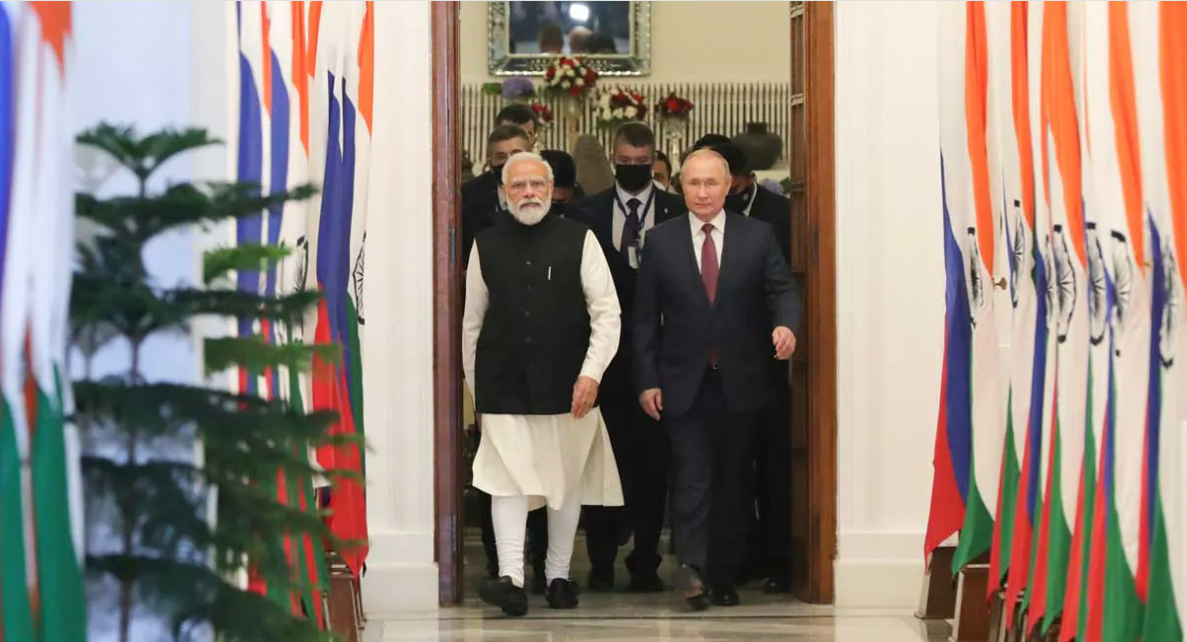
This marks Putin’s first major sit-down with a foreign news network in nearly two decades. It was strategically timed just before his official visit to New Delhi. By choosing an Indian broadcaster, Putin bypassed traditional Western media entirely.
Analysis: A Deliberate Snub with Global Resonance
The interview’s location in the opulent Ekaterina Hall was symbolic. According to reports from Reuters, Putin used the platform to deliver pointed messages. He praised India’s economic growth and its independent foreign policy. He also issued a stark warning on Ukraine, vowing to “liberate” the Donbas region.
Western outlets like CNN and the BBC scrambled to cover his statements. Their reports focused on his uncompromising military stance. Yet they could not avoid highlighting their own exclusion from the room. This single event underscored a new media reality where Global South platforms hold immense sway.
The impact is twofold. It strengthens Russia’s diplomatic outreach to non-Western nations. Simultaneously, it weakens the West’s narrative control. Putin’s comfort during the wide-ranging talk contradicted claims of his international isolation.
Broader Impact: Reshaping the Global Narrative Battle
The choice of India Today was a calculated masterstroke. The network commands a massive audience across Asia and the Global South. This reach far exceeds that of many legacy Western channels. Putin’s messages on multipolarity and sovereign policy resonated directly with these viewers.
For the West, the implications are profound. Key strategic narratives on Ukraine and sanctions are now being challenged on a rival stage. The interview demonstrated that non-Western media can set the agenda for global news. This erosion of influence is a significant, long-term geopolitical consequence.
Consumers of news worldwide are now presented with competing perspectives from the source. This challenges the authority of established Western reporting. The era of a single, dominant information corridor is visibly ending.
Putin’s India Today interview is more than a media event. It is a clear signal of a changing world order. The Kremlin’s message is now flowing through channels it trusts, reaching audiences that are listening.
Dropping this nugget your way
Why did Putin choose India Today for this interview?
Putin strategically selected India Today to reach a vast Global South audience. It also reinforced the strong diplomatic ties between Russia and India, showcasing a trusted partnership outside Western influence.
What were the main topics discussed?
The conversation covered the Ukraine conflict, Russia-India relations, and global geopolitics. Putin made firm commitments on Donbas and praised India’s independent stance against external pressure.
How did Western media react?
Outlets like CNN and the BBC reported urgently on Putin’s declarations from the interview. Their coverage often carried a tone of concern, noting their own lack of direct access to the Russian leader.
What does this mean for India-Russia relations?
The interview signifies deepening strategic alignment. It highlights energy cooperation and mutual support for a multipolar world where both nations can pursue interests free from Western coercion.
Does this indicate Russia is not isolated?
While diplomatically strained with the West, the interview demonstrates Russia’s success in cultivating powerful alliances elsewhere. It shows significant influence in key regions like South Asia.
Will this affect how global news is reported?
Yes. It proves alternative media platforms can secure major exclusives, challenging the dominance of traditional Western networks. This diversifies the sources of primary information for audiences worldwide.
iNews covers the latest and most impactful stories across
entertainment,
business,
sports,
politics, and
technology,
from AI breakthroughs to major global developments. Stay updated with the trends shaping our world. For news tips, editorial feedback, or professional inquiries, please email us at
[email protected].
Get the latest news and Breaking News first by following us on
Google News,
Twitter,
Facebook,
Telegram
, and subscribe to our
YouTube channel.