The search phrase red sox vs yankees surged as Major League Baseball’s oldest rivalry returned to Yankee Stadium. MLB’s latest Yankees news page described the series as a meeting with October stakes and identified the clubs’ renewed attention on the American League postseason race. That framing is the basis for this update; the article does not add a game result that was not confirmed in the opened reports.
MLB’s official schedule information shows the teams were set to meet in New York on Friday, August 28, with a 7:15 p.m. Eastern start. The Yankees’ official report also carried the standings context used in the preview: New York entered the series at 75-58 and Boston at 73-60. Those records made the fixture relevant to the wild-card picture, while the exact effect on the table depended on the completed game and other results.
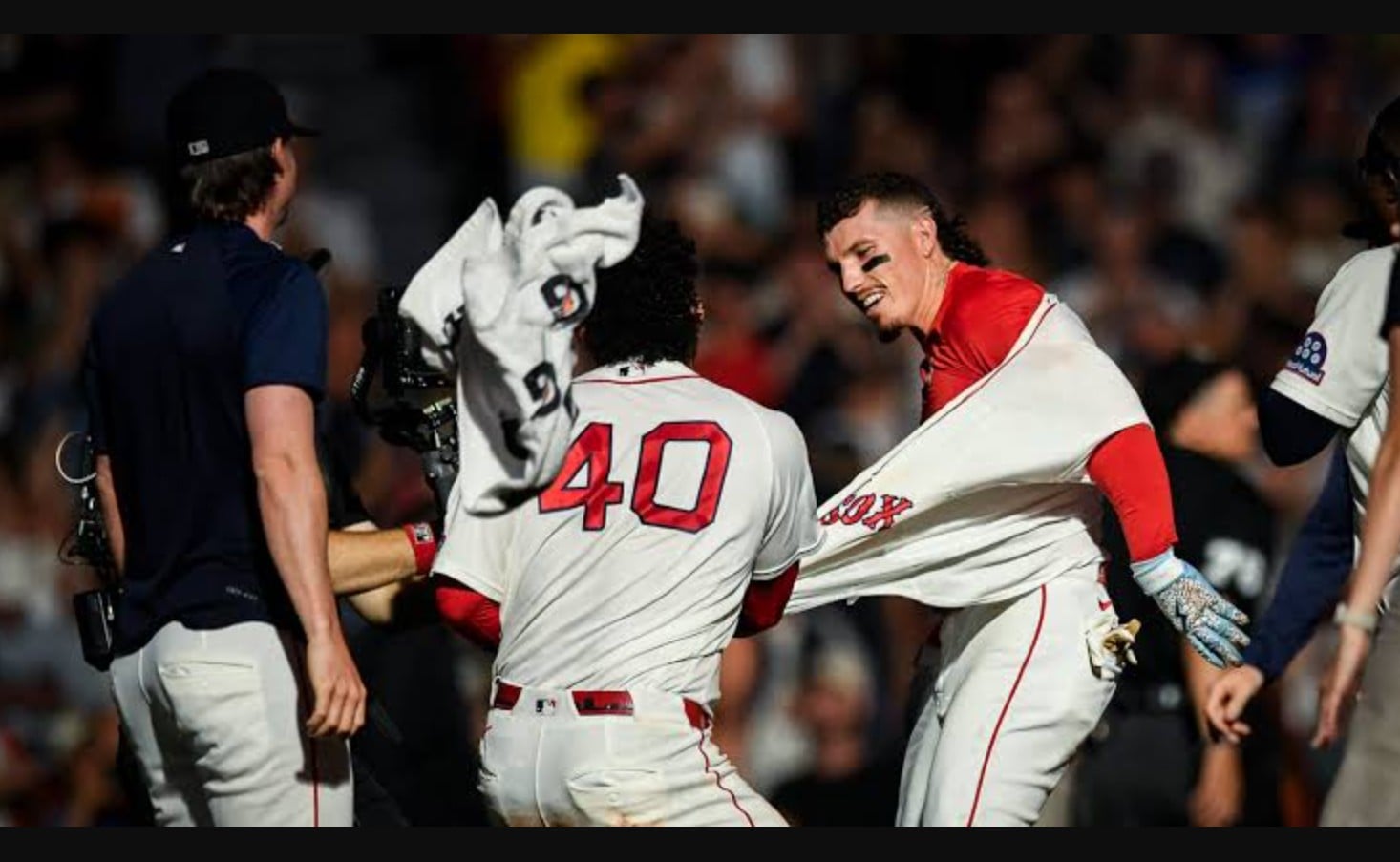
The two clubs were also carrying an unusual scheduling thread into the weekend. An earlier Yankees announcement said a June game had been postponed because of sustained rain and rescheduled for August 29 as the opener of a day-night doubleheader. The notice said the postponed game could be used as a rain-check fixture or exchanged under the club’s stated policy. That arrangement is separate from the Friday game and explains why the rivalry drew repeated searches around the weekend.
The current MLB coverage also placed the matchup against a wider season narrative. Boston’s page highlighted the club’s attempt to turn recent momentum into a postseason position, while New York’s page presented the series as a chance to reassert control in the American League race. Those are reported editorial frames, not guarantees about which team would win or make the playoffs.
For readers tracking red sox vs yankees, the verified details are the Bronx venue, the scheduled Friday meeting, the pre-series records and the previously announced Saturday doubleheader makeup. A reliable game recap or official box score is still required before publishing runs, winning pitchers, home runs or updated standings. Keeping those stages separate prevents a live search trend from being mistaken for a completed result.

Follow iNews Zoombangla On Google
Open the Google follow page and tap the checkmark option to receive more updates from iNews Zoombangla in your Google news feed.