Rivian raised its full-year 2026 delivery forecast on July 2 to 65,000-70,000 vehicles, up from the prior range of 62,000-67,000. The company delivered 12,194 units in Q2, beating analyst expectations of 11,000. The stock jumped 7% in premarket trading.
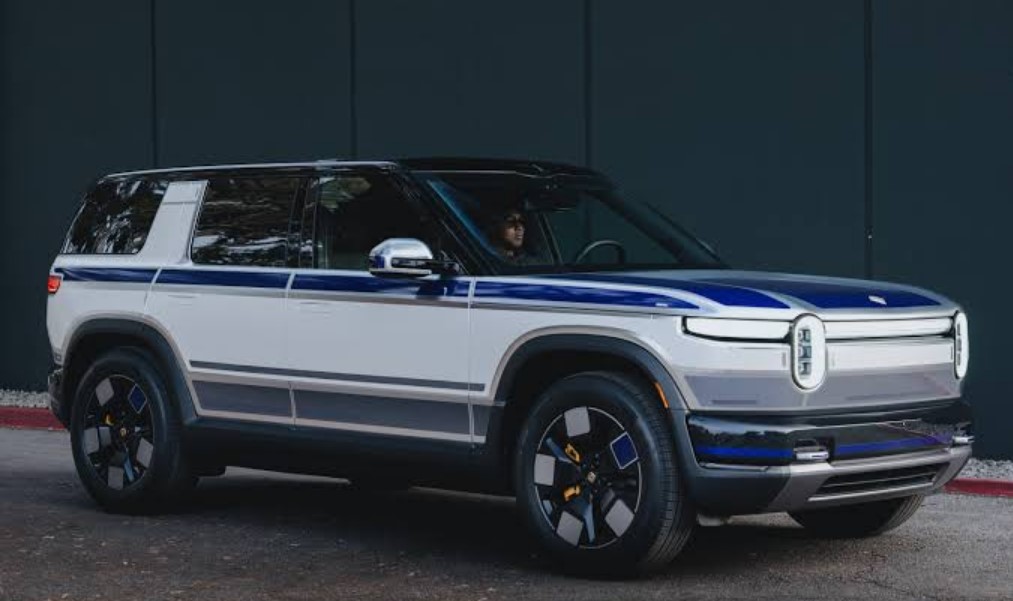
The growth comes from sustained demand for Rivian’s commercial vans (EDV) and R1 models. But the real catalyst is the R2 SUV. Deliveries began in June. This is Rivian’s first affordable vehicle and its path to scale.
What Is the R2
The R2 is a compact SUV priced to compete with Tesla‘s Model Y. It is smaller, lighter, and cheaper than the R1T truck and R1S SUV. The R2 is central to Rivian’s survival. The company needs volume to offset R1 production costs.
Early deliveries suggest strong demand. The R2 is designed for buyers who want Rivian quality but Tesla pricing. Whether Rivian can actually deliver profitably on that promise is the big question.
The Margin Story
Rivian’s costs are high. Production ramps are expensive. The company needs to reduce per-unit cash burn. The R2, with its lower price, may not improve unit margins but higher volume helps the overall math.
Rivian is not profitable. The company is still in growth-investment mode. Profitability is the goal for later. First, prove the market wants R2.
What Comes Next
Q3 and Q4 deliveries will tell the story. If Rivian hits the 65,000-70,000 range, the company is on track. If the R2 ramp falters, the forecast will need revision.
Rivian also announced plans for the R3, an even smaller vehicle. The company is betting on accessibility and scale, not just premium vehicles.
Rivian’s R2 launch is the company’s biggest bet yet. The next two quarters will define the company’s future.

Follow iNews Zoombangla On Google
Open the Google follow page and tap the checkmark option to receive more updates from iNews Zoombangla in your Google news feed.