Waymo is aggressively expanding its driverless car service. The Alphabet-owned company announced plans to enter over a dozen new U.S. cities. This marks the largest robotaxi deployment effort to date.
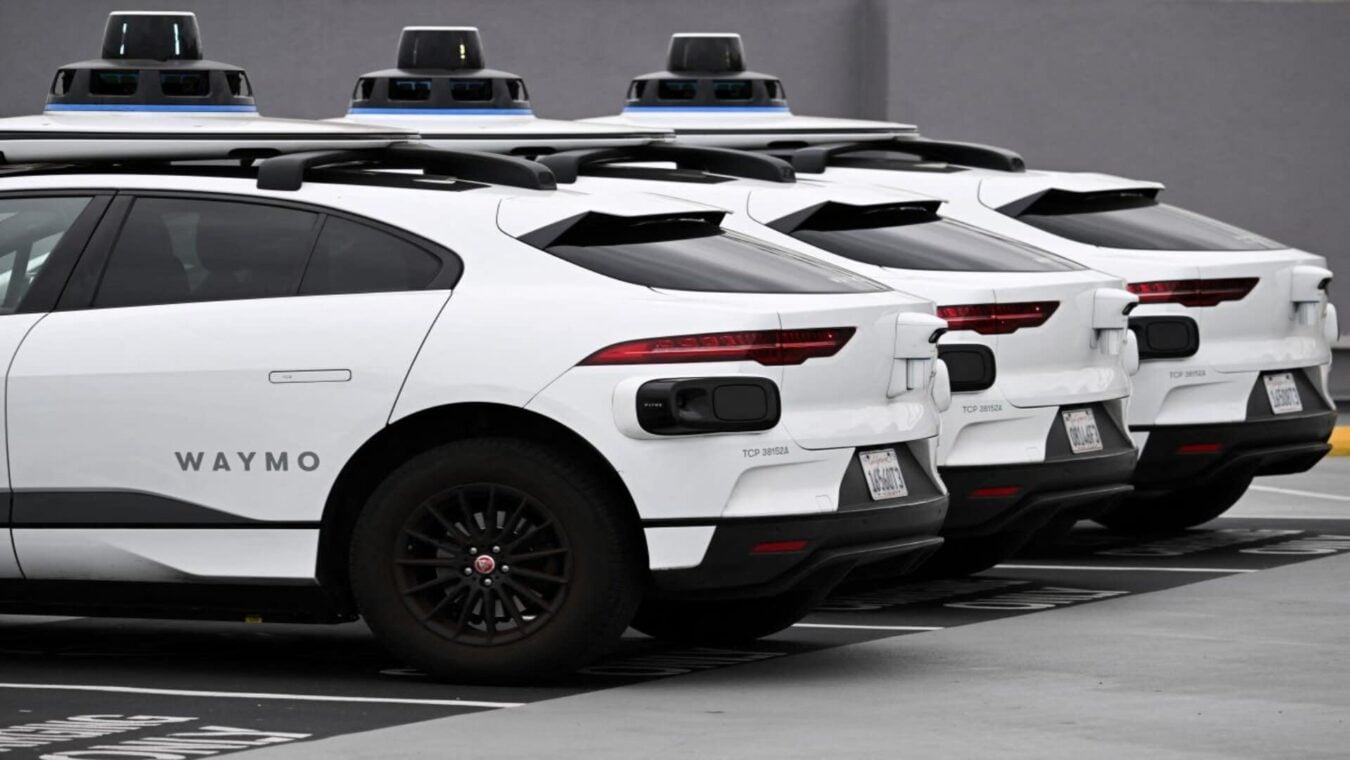
According to TechCrunch, the move signals a crucial scaling phase for autonomous vehicles. It brings the technology closer to mainstream public use across the country.
Detailed Expansion Plan Targets Key Metro Areas
Waymo will begin manual driving operations in three cities next year. These are Minneapolis, New Orleans, and Tampa. This phase is a required step before full driverless deployment.
The company targets commercial launch in many more areas for 2026. The list includes Dallas, Denver, Detroit, and Houston. Las Vegas, Miami, Nashville, and Orlando are also planned.
Other major targets are San Antonio, San Diego, Seattle, and Washington, D.C. Waymo is already testing in New York City. International plans start with London and Tokyo.
Industry Race Heats Up Amid Broader Adoption Questions
Waymo is not alone in this push. Tesla recently secured a ride-hailing permit in Arizona. This is the final regulatory step needed to launch robotaxis there.
Meanwhile, Amazon’s Zoox is opening its custom robotaxi to San Francisco riders. This early program allows the public to test the unique vehicle.
Experts question when robotaxis will truly change daily commuting. Saturation in key regions is seen as a vital indicator. Cities on the East Coast and in the Midwest will be critical to watch.
A spillover effect of supporting startups and services is also anticipated. True mass adoption likely requires more competition and varied business models.
This rapid robotaxi expansion is shifting from testing to tangible service. The coming years will test both public acceptance and the technology’s real-world readiness.
Thought you’d like to know
Which cities are getting Waymo robotaxis first?
Waymo will start manual driving in Minneapolis, New Orleans, and Tampa in 2025. Full commercial service in over a dozen cities, including Dallas and Miami, is planned for 2026.
Are other companies competing with Waymo?
Yes. Tesla secured a permit to operate in Arizona. Zoox is also launching a public rider program in San Francisco with its own custom-built autonomous vehicle.
When will robotaxis be commonplace?
Analysts suggest saturation in major East Coast and Midwest cities will be a key tipping point. This depends on reliable service, public trust, and supportive ecosystems developing around the technology.
What are the benefits of robotaxis?
Potential benefits include increased road safety, reduced need for personal car ownership, and improved mobility access. They could also reshape urban transportation and parking demands.
Is the technology safe?
Companies like Waymo extensively test in controlled environments before public deployment. Safety drivers initially monitor vehicles. The industry’s safety record compared to human drivers remains a central focus of regulators and the public.
Will robotaxis eliminate driving jobs?
The long-term impact on professional driving jobs is uncertain. New jobs in remote vehicle support, fleet management, and maintenance are expected to emerge as the industry grows.
জুমবাংলা নিউজ সবার আগে পেতে Follow করুন জুমবাংলা গুগল নিউজ, জুমবাংলা টুইটার , জুমবাংলা ফেসবুক, জুমবাংলা টেলিগ্রাম এবং সাবস্ক্রাইব করুন জুমবাংলা ইউটিউব চ্যানেলে।