Uber and Lyft will test self-driving taxis in London. They are partnering with Chinese tech giant Baidu. The tests will use Baidu’s Apollo Go robotaxis. This major expansion is scheduled to begin in 2026.
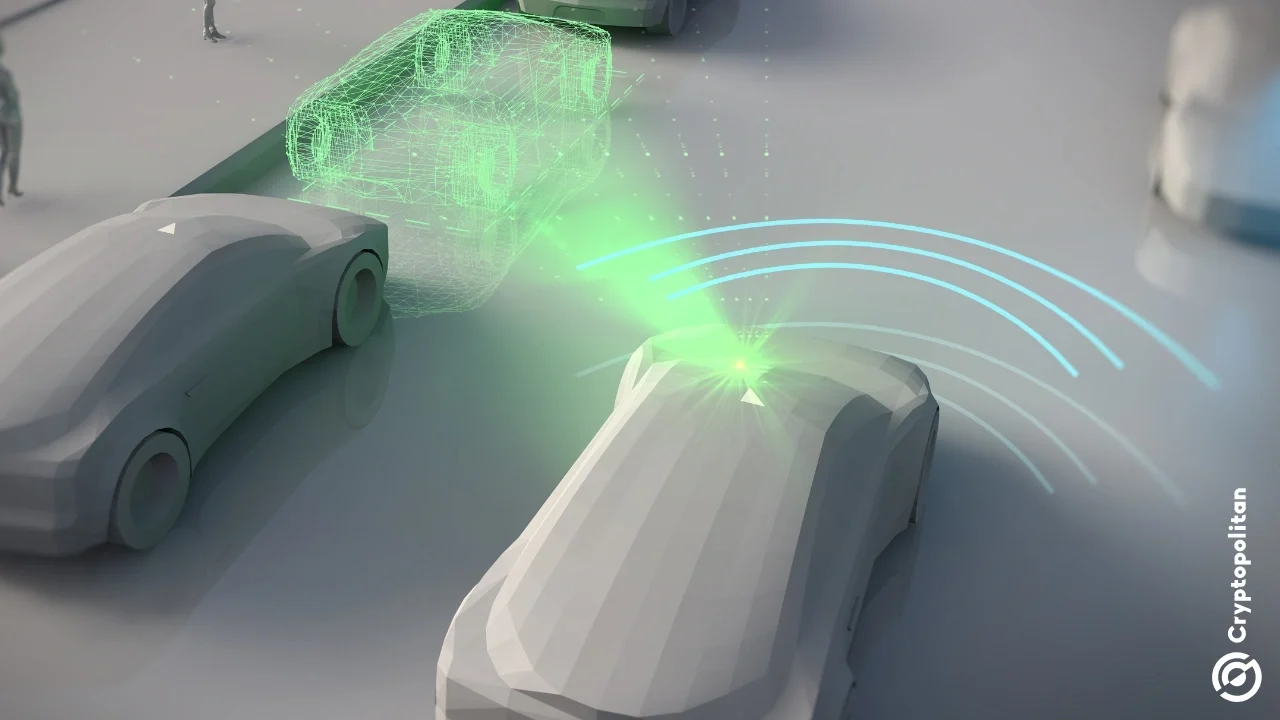 According to Reuters, this move signals a significant push into the European market. London becomes a key battleground for autonomous vehicle services. The city will host tests from multiple companies simultaneously.
Dual Deals Signal Strategic Shift for Ride-Hailing Giants
Both Uber and Lyft announced separate agreements with Baidu. Lyft CEO David Risher confirmed the plan on social media. The company will start once it gets regulatory approval from UK authorities.
Lyft then plans to scale to hundreds of Baidu’s electric RT6 SUVs. Uber announced its similar deal back in July. The company expects testing to start in the first half of 2026.
This represents a strategic partnership model for both firms. Instead of developing costly proprietary technology, they are leveraging Baidu’s advanced platform. It allows them to enter the autonomous race more quickly and efficiently.
London Emerges as Global Robotaxi Testing Hub
London’s complex streets offer a rigorous real-world test. Success there could pave the way for broader European expansion. The city is already set to host other autonomous vehicle trials.
Waymo, owned by Alphabet, is also preparing for London operations. Local UK startup Wayve is developing its own AI-driven technology. This creates a crowded and competitive landscape for future mobility.
The impact for Londoners could be substantial. It promises a future with more transportation options. The Associated Press notes that regulatory scrutiny will be intense, focusing on safety and data security.
This coordinated robotaxi rollout marks a pivotal moment for urban transport. The 2026 London tests will be closely watched globally. Their success or failure will likely dictate the pace of adoption in other major cities worldwide.
A quick knowledge drop for you
Q1: Are these robotaxis safe for London’s busy streets?
Baidu’s Apollo Go system has logged millions of miles in China. The vehicles will undergo rigorous safety validation before testing. UK regulators must grant final approval for all public road operations.
Q2: When can the public actually ride in one?
Initial tests in 2026 will likely involve trained safety operators. A full commercial launch for public passengers will come later. The timeline depends entirely on successful testing and regulatory comfort.
Q3: What kind of vehicles will be used?
The primary vehicle is Baidu’s latest electric RT6 SUV. It is a purpose-built robotaxi designed from the ground up for autonomy. The interior is configured for ride-hailing without a traditional driver’s seat.
Q4: How does this affect London’s famous black cabs?
The arrival of robotaxis introduces new competition. Traditional cab drivers have expressed concern over regulatory fairness. The long-term market impact remains a key topic for city officials.
Q5: Why did Uber and Lyft choose Baidu?
Baidu is a leader in autonomous technology with extensive real-world data. Partnering is faster and cheaper than building their own systems. It gives the ride-hail firms immediate access to proven technology for expansion.
Trusted Sources
Information in this report was gathered from authoritative news sources including Reuters and The Associated Press.
জুমবাংলা নিউজ সবার আগে পেতে Follow করুন জুমবাংলা গুগল নিউজ, জুমবাংলা টুইটার , জুমবাংলা ফেসবুক, জুমবাংলা টেলিগ্রাম এবং সাবস্ক্রাইব করুন জুমবাংলা ইউটিউব চ্যানেলে।