Rosanna Scotto became emotional during a live Good Day New York segment after returning to the program following her mother’s death. The moment was reported by several entertainment outlets and quickly became a trending search.
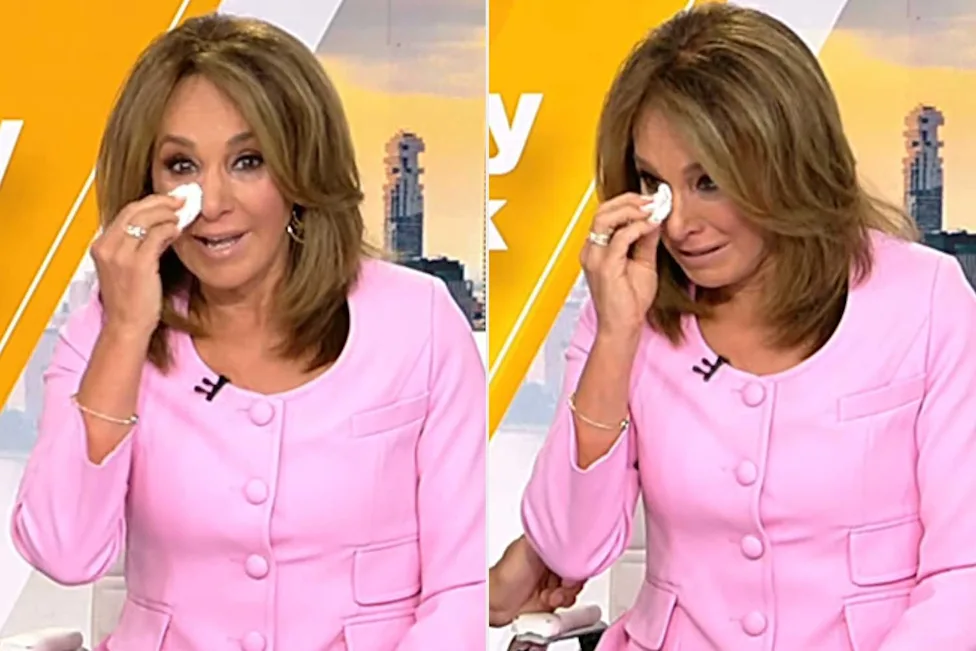
Daily Beast reported that a song brought the loss to the surface during the broadcast. TV Insider also described Scotto’s return and the emotional response, giving viewers context beyond a short clipped video.
The reports frame the scene as grief, not a performance stunt. Scotto has appeared on the program for years, so the reaction resonated with viewers who recognized the difficulty of returning to a familiar workplace after a family loss.
Short clips can remove the words and circumstances around a sensitive moment. The fuller reports make clear why the segment affected her and why other people on the show responded with care.
There is no need to turn the broadcast into a diagnosis or a prediction about Scotto’s work. A person can be emotional on air and still decide for themselves how much of their private life they want to share.
For audiences, the useful takeaway is simple. The viral clip came from a live television moment shaped by bereavement. Respectful coverage should keep the focus on the context and avoid treating grief as entertainment.
Viewers can acknowledge the moment without demanding more disclosure. The broadcast showed an emotional reaction; it did not create a public obligation for Scotto to explain every part of her loss.
The phrase Rosanna Scotto cries live on air describes a clip, but the fuller story is about someone returning to work while mourning. Readers can discuss the broadcast without replaying the most painful moment repeatedly. The responsible version keeps the family loss in context and avoids guessing about her private feelings.

Follow iNews Zoombangla On Google
Open the Google follow page and tap the checkmark option to receive more updates from iNews Zoombangla in your Google news feed.