Secretary of State Marco Rubio has ordered a formal typographic shift for U.S. diplomats. The State Department will now use Times New Roman for official documents. This directive reverses a Biden-era policy that favored the Calibri typeface. The change has ignited a wide-ranging debate about priorities and accessibility.
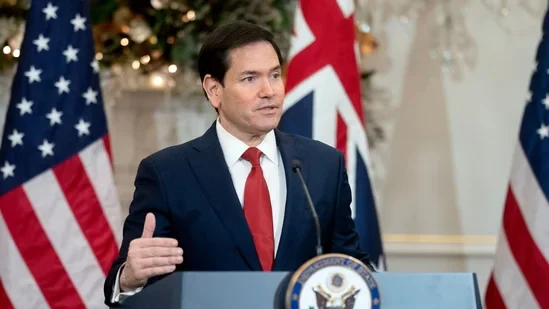 Marco Rubio’s new font mandate took effect immediately. According to the BBC, the change applies to all internal and external departmental correspondence. Times New Roman will replace Calibri as the standard.
The previous administration adopted Calibri in 2023. Then-Secretary Antony Blinken cited improved accessibility for the switch. The sans-serif Calibri is often considered easier to read on digital screens.
Rubio’s office has defended the return to Times New Roman. A spokesperson stated the serif font projects more dignity and formality. They argued it aligns with traditional government correspondence standards.
The creator of Calibri, Lucas de Groot, reacted to the news. He called the reversal both “sad” and “hilarious” in comments to the BBC. De Groot noted Calibri was designed specifically for modern computer displays.
This policy shift involves thousands of diplomats and staff worldwide. Every memo, letter, and official release must now adhere to the new typography rule. The logistical update is now a required part of State Department protocol.
Social Media Reaction and the Readability Debate
News of the font decree spread quickly online. The reaction on social media platforms was swift and largely satirical. Many users questioned the focus on typography amid global crises.
“Always working on top priorities,” one individual commented wryly. Another user posted, “Marco is dealing with the truly pressing issues of our time!” The sentiment reflected a broader critique of political focus.
Beyond the jokes, a substantive discussion about readability emerged. Experts often note a distinction between serif and sans-serif fonts. Serif fonts, like Times New Roman, have small decorative strokes at the end of letter lines.
Sans-serif fonts, like Calibri, lack these strokes. Many designers believe this makes them cleaner for on-screen reading. The shift back to a serif font contradicts contemporary digital accessibility trends.
Reuters and other outlets have reported on the visual accessibility aspect. The move has sparked concern among advocates for inclusive design. They argue government communications should prioritize clarity for all citizens.
The debate touches on tradition versus modern functionality. Times New Roman carries a legacy of print formality. Calibri represents a more recent, digitally-native approach to official communication.
A Brief History of the Two Fonts
Times New Roman has a long historical pedigree. It was commissioned by The Times of London newspaper in 1932. It became a ubiquitous standard for professional and academic printing.
Calibri’s history is rooted in the digital age. Microsoft released it in 2007 as part of its ClearType font collection. It was designed to perform well on LCD computer monitors and became Microsoft Office’s default.
The Marco Rubio Times New Roman font policy is now official State Department doctrine. It highlights how seemingly minor administrative choices can spark major public conversations. The letters on the page now carry significant political and cultural weight.
iNews covers the latest and most impactful stories across
entertainment,
business,
sports,
politics, and
technology,
from AI breakthroughs to major global developments. Stay updated with the trends shaping our world. For news tips, editorial feedback, or professional inquiries, please email us at
[email protected].
Get the latest news and Breaking News first by following us on
Google News,
Twitter,
Facebook,
Telegram
, and subscribe to our
YouTube channel.