Samsung Electronics is poised to begin mass production of its next-generation HBM4 memory chips. This move comes as the tech giant seeks to reclaim its top position in the critical high-bandwidth memory market. The chips are essential for powering advanced artificial intelligence systems.
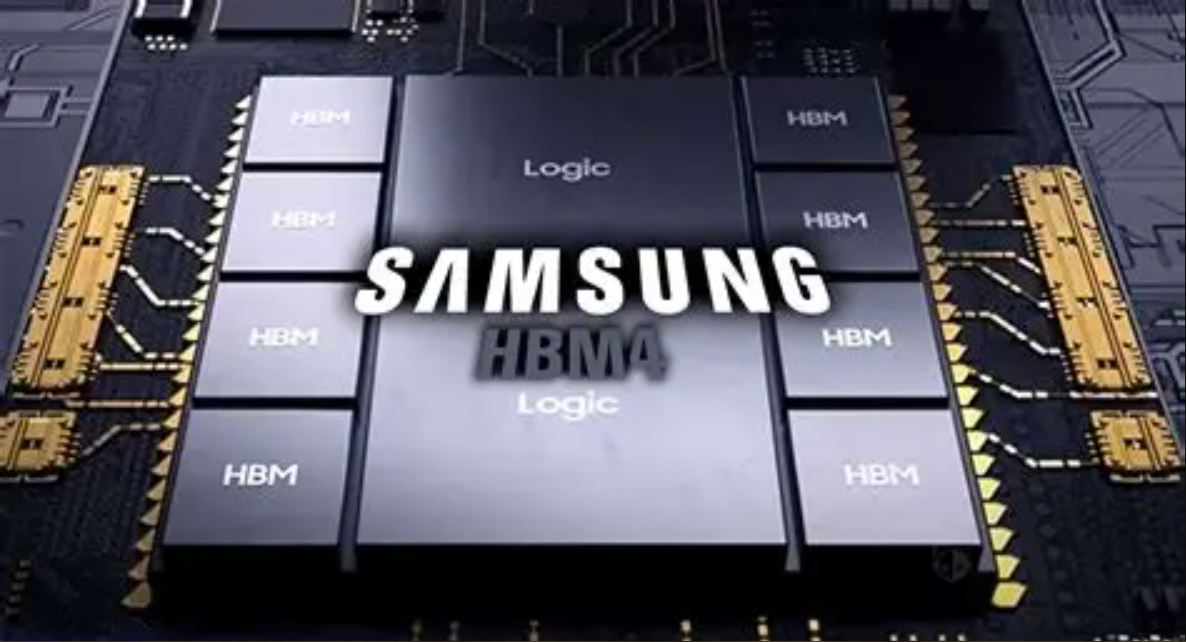
According to industry reports, Samsung has completed development and entered the final pre-production phase. The company is now sending performance samples to key partners like Nvidia for validation. This step is crucial for securing orders for next-year’s AI hardware.
Technical Leap and Market Competition
Samsung’s new HBM4 chips represent a significant performance jump. They are expected to be up to 60% faster than the current HBM3E standard. This leap is vital for meeting the escalating computational demands of AI training and inference.
The high-bandwidth memory sector has become fiercely competitive. Rival SK Hynix recently overtook Samsung as the market leader in HBM chips. Samsung’s accelerated HBM4 timeline is a direct strategic response to this shift in the competitive landscape.
Strategic Partnerships and Future Roadmap
Nvidia’s approval is the final gate before mass production can start. Samsung’s HBM4 chips are slated for use in Nvidia’s upcoming “Rubin” AI accelerators, planned for 2025. A report from AjuNews indicates Samsung has its production systems prepared to scale immediately upon receiving the green light.
The company is not stopping with this initial version. Development is already underway on an enhanced HBM4 chip, promising another 40% speed increase. This future chip could be ready as early as 2026, showcasing Samsung’s long-term commitment to the AI hardware race.
Samsung’s aggressive push on HBM4 production marks a pivotal moment in the semiconductor industry’s battle for AI supremacy. Regaining leadership in this high-stakes segment is critical for the company’s future in the booming AI market.
A quick knowledge drop for you
What are HBM chips used for?
HBM, or High-Bandwidth Memory, is a specialized type of memory chip. It is essential for handling the massive data loads required by AI accelerators and advanced graphics processors. This makes them a cornerstone of modern artificial intelligence and high-performance computing.
Why is HBM4 important for Samsung?
HBM4 is Samsung’s chance to regain market leadership from SK Hynix. Success in this segment secures its role as a key supplier for major AI companies like Nvidia and Google. It is a critical battleground for future revenue in the data center and AI chip market.
When will HBM4 chips be available?
Mass production could begin shortly after Nvidia approves the final samples. The chips are expected to be integrated into next-generation AI hardware launching in 2025. Samsung is positioning itself to be ready for this product cycle.
How much faster is HBM4?
Samsung’s HBM4 is reported to be about 60% faster than the current HBM3E generation. This performance boost directly translates to faster AI model training and more powerful data center capabilities. Further enhancements are already in development.
Who are Samsung’s main competitors in HBM?
Samsung’s primary rival is fellow South Korean firm SK Hynix, which currently leads the market. US-based Micron Technology is also a significant player in the high-bandwidth memory space. The competition is driving rapid innovation in chip performance and efficiency.
iNews covers the latest and most impactful stories across
entertainment,
business,
sports,
politics, and
technology,
from AI breakthroughs to major global developments. Stay updated with the trends shaping our world. For news tips, editorial feedback, or professional inquiries, please email us at
[email protected].
Get the latest news and Breaking News first by following us on
Google News,
Twitter,
Facebook,
Telegram
, and subscribe to our
YouTube channel.