Samsung will start mass-producing its next-generation HBM4 memory chips in February 2026. The chips are destined for Nvidia’s upcoming AI processors. This move follows Samsung’s successful quality tests with Nvidia.
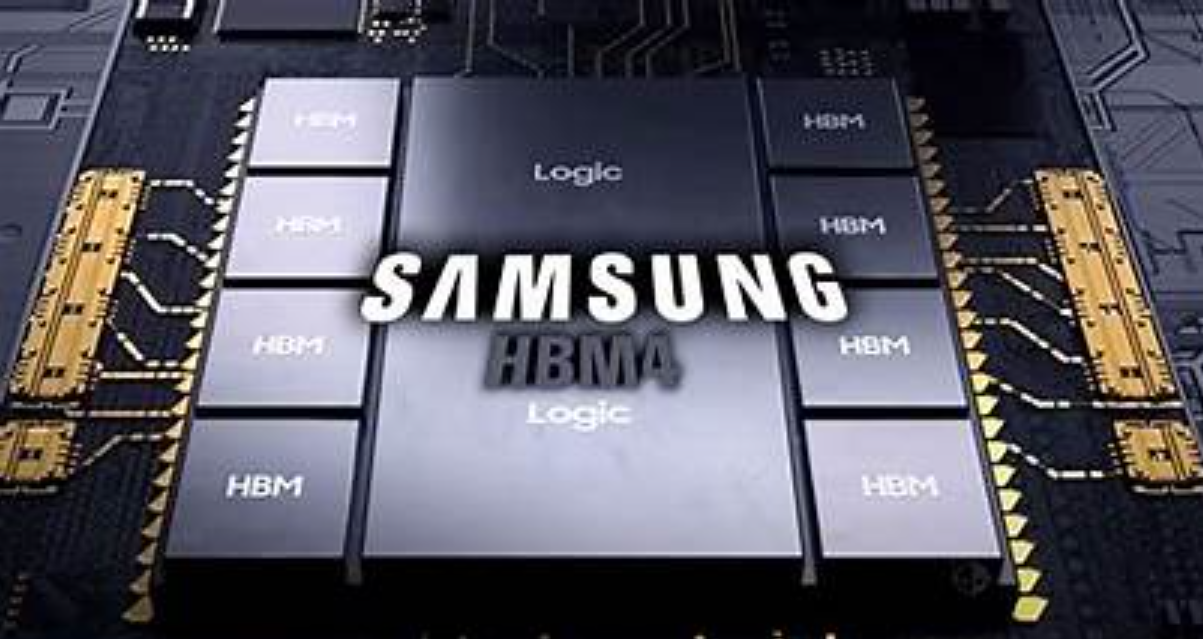
The decision aims to secure a major contract and avoid past supply missteps. Industry reports confirm the timeline. Samsung is directly competing with rival SK Hynix for this critical market.
Winning the AI Chip Race with Advanced Technology
Samsung’s HBM4 production will begin at its Pyeongtaek campus in South Korea. Rival SK Hynix plans a similar 2026 launch. The competition highlights the fierce battle for AI chip supremacy.
According to industry analysts, Samsung’s chips use a more advanced 10nm-class process. This gives them a potential performance edge. Internal tests reportedly show speeds reaching 11.7Gbps.
Nvidia’s next-gen “Vera Rubin” AI accelerators will use these chips. A portion will also go to Google for its Tensor Processing Units. These deals are crucial for Samsung’s financial recovery in the memory sector.
Broader Impact on a Supply-Constrained AI Industry
The HBM4 ramp-up addresses a severe industry-wide shortage. AI firms like Microsoft and OpenAI face production bottlenecks. Securing advanced memory is now as important as securing the processors themselves.
HBM production capacity for 2025 is already fully booked. This scarcity is driving intense negotiations and long-term deals. Samsung’s successful entry could help stabilize supply chains for major tech companies.
For consumers, this battle may accelerate AI capability advancements. It could also influence the cost and availability of future AI-powered services. The strategic shift underscores memory’s new role as the cornerstone of artificial intelligence.
Samsung’s push into HBM4 production marks a pivotal moment in the global AI hardware race. The company’s success hinges on delivering these high-performance chips on time. Its 2026 timeline sets the stage for the next wave of AI infrastructure.
Thought you’d like to know-
What is HBM4 memory and why is it important for AI?
HBM4 is the sixth generation of High Bandwidth Memory. It is crucial for AI because it provides the immense data speed needed for complex AI model calculations. Without it, next-generation AI chips would be significantly slower.
Who are Samsung’s main competitors in the HBM market?
Samsung’s primary competitor is South Korean rival SK Hynix. SK Hynix currently leads the market for HBM3E chips used in Nvidia’s current AI GPUs. US-based Micron is also a significant player in the broader memory market.
When will AI chips using Samsung’s HBM4 be available?
Consumer availability depends on chipmaker release schedules. Nvidia’s “Vera Rubin” platform, which will use HBM4, is expected in late 2026. Products from system builders would likely follow in 2027.
How does the HBM shortage affect everyday AI services?
The shortage can delay the rollout of new, more powerful AI features from companies like Google and OpenAI. It can also increase the operational costs for cloud providers, potentially affecting subscription prices for end-users over time.
Why did Samsung miss the earlier HBM3E opportunity?
Reports suggest Samsung’s initial HBM3E samples did not meet Nvidia’s stringent power and heat requirements during quality tests. This allowed SK Hynix to secure the dominant supply position for the current AI chip generation.
iNews covers the latest and most impactful stories across
entertainment,
business,
sports,
politics, and
technology,
from AI breakthroughs to major global developments. Stay updated with the trends shaping our world. For news tips, editorial feedback, or professional inquiries, please email us at
[email protected].
Get the latest news and Breaking News first by following us on
Google News,
Twitter,
Facebook,
Telegram
, and subscribe to our
YouTube channel.