There is no tsunami threat across the Pacific Ocean today. Coastal communities can breathe easy. This calm follows a major scientific leap in how we track these deadly waves. New satellite data is revolutionizing early warning systems, making future alerts faster and more precise.
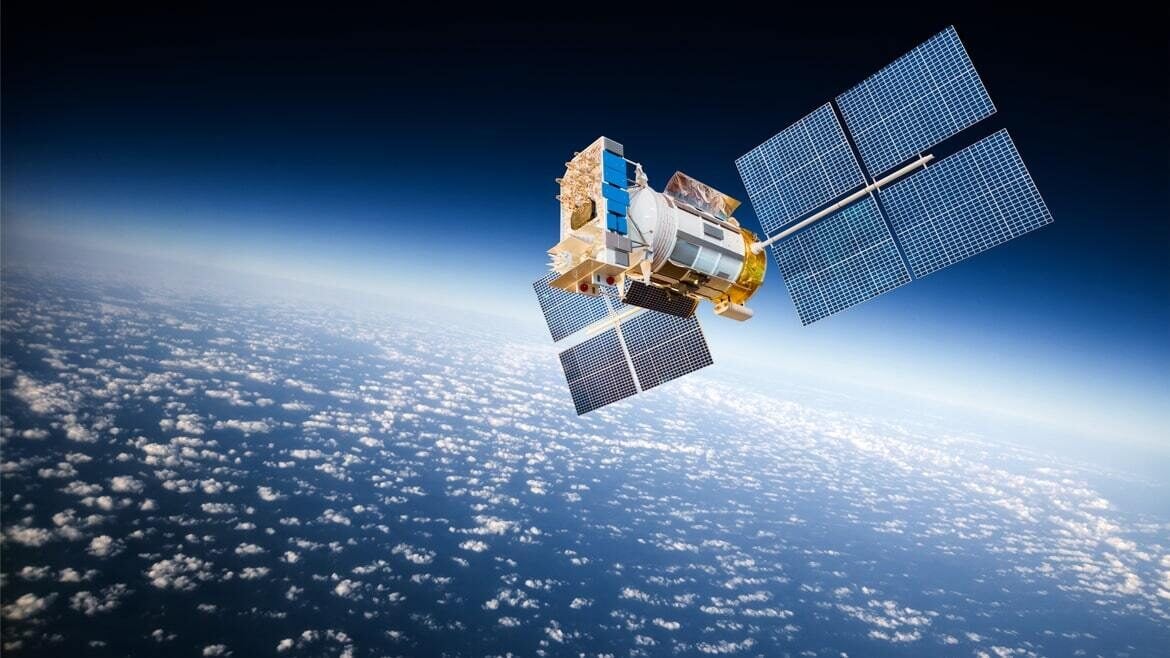
According to reports from NASA and international agencies, a groundbreaking satellite mission has provided the most detailed view of a tsunami ever captured. This data is now being used to refine models that protect millions of people living along the Pacific Rim.
SWOT Satellite Captures Unprecedented Tsunami Data
The key player is the Surface Water and Ocean Topography (SWOT) satellite. It is a joint mission between NASA and the French space agency CNES. In late July 2025, a powerful megathrust earthquake struck near Russia’s Kamchatka Peninsula.
This quake generated a tsunami that raced across the Pacific. SWOT was uniquely positioned to observe it. Just 70 minutes post-quake, its radar scanned the ocean surface. It captured the tsunami’s full structure over a 120-kilometer swath. This was a world first for open-ocean tsunami measurement.
New Insights Challenge Old Models
The satellite’s data revealed surprising wave behavior. Scientists saw a complex structure of leading and trailing waves. They also observed focused “energy jets” channeling through undersea topography.
This complexity was previously invisible to traditional tools. Old models assumed tsunamis moved as single, non-dispersive waves. SWOT’s view challenges that simplification. This new physics is crucial for accurate forecasting.
The lead scientist on the study, Angel Ruiz-Angulo, explained the breakthrough. He said traditional buoys only give data at single points. SWOT provides a high-resolution map of the entire wavefront. This is like getting a full picture instead of just puzzle pieces.
Toward Faster, Targeted Public Warnings
The practical impact is immense. Current warning systems rely on seismic data and a network of deep-ocean buoys. These buoys are sparse and can miss details. Confirmation can take precious time, leading to cautious, broad-brush warnings.
SWOT data can confirm a tsunami is propagating within minutes. It can also show its precise direction and strength. This allows forecasters to issue more targeted alerts. They can warn specific coastlines at highest risk while avoiding unnecessary panic elsewhere.
A NASA oceanographer involved noted the satellite data validated existing NOAA forecasts for the July event. This synergy between new tech and established systems builds stronger confidence. The goal is integrating this data into operational warning centers for future events.
The integration of advanced satellite detection marks a new era in tsunami safety, promising to deliver life-saving information with unprecedented speed and accuracy for vulnerable coastal populations.
Dropping this nugget your way-
Is there a tsunami warning right now?
As of early December 2025, no tsunami warnings, advisories, or watches are active for the Pacific Basin. Always check official sources like the NOAA Tsunami Warning Centers or your local emergency agency for real-time alerts.
What did the SWOT satellite discover?
The SWOT satellite captured the first wide-swath map of a tsunami in the open ocean. It showed the wave had a more complex structure than previously thought, with multiple waves and concentrated energy jets, which will improve future prediction models.
How does this improve tsunami warnings?
Satellite data provides a faster, broader confirmation that a tsunami is moving across the ocean. This allows warning centers to issue more geographically precise alerts sooner, potentially reducing unnecessary evacuations in low-risk areas.
What triggers a tsunami warning?
Warnings are typically issued after a large underwater earthquake (usually magnitude 7.5 or higher) is detected, followed by confirmation from sea-level sensors like deep-ocean buoys or, now, satellite observations that a wave has been generated.
Should I evacuate if I feel an earthquake?
Yes. If you are near the coast and feel strong or prolonged shaking, do not wait for an official warning. Move immediately to high ground or inland as far as possible. This natural warning is often the fastest indicator of danger.
Which organizations provide tsunami alerts?
In the United States, the National Oceanic and Atmospheric Administration (NOAA) operates the Tsunami Warning Centers. Globally, the Pacific Tsunami Warning Center and regional agencies coordinate alerts based on seismic and sea-level data.
iNews covers the latest and most impactful stories across
entertainment,
business,
sports,
politics, and
technology,
from AI breakthroughs to major global developments. Stay updated with the trends shaping our world. For news tips, editorial feedback, or professional inquiries, please email us at
[email protected].
Get the latest news and Breaking News first by following us on
Google News,
Twitter,
Facebook,
Telegram
, and subscribe to our
YouTube channel.