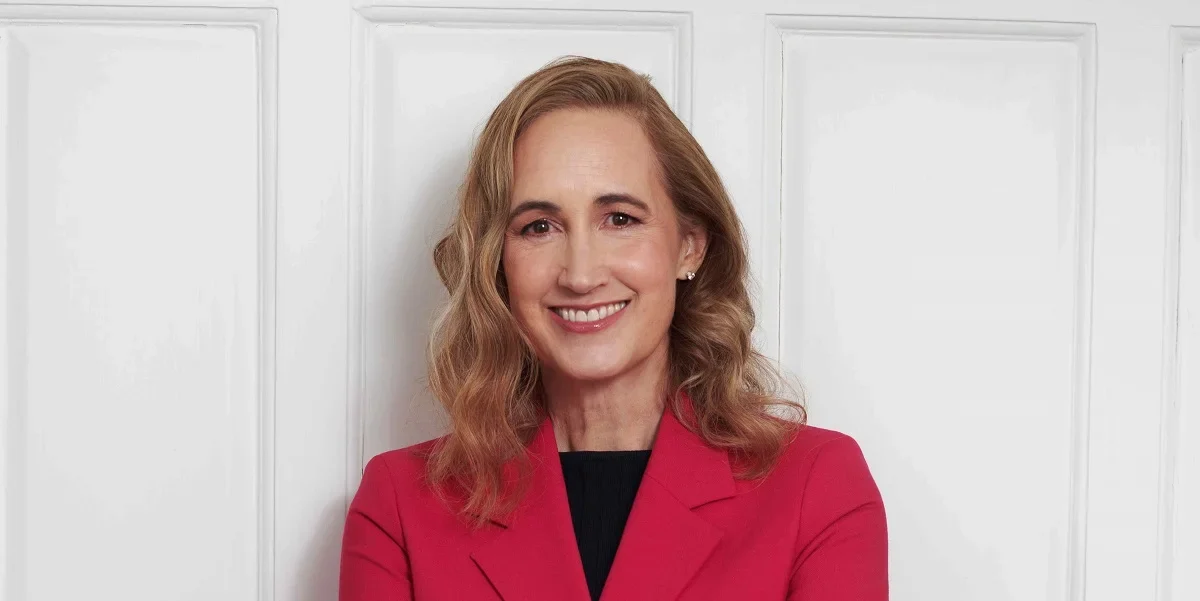
 The author was diagnosed with the aggressive brain cancer in late 2022. She underwent treatment at a London hospital. Her passing has brought renewed public attention to glioblastoma. This disease remains one of oncology’s most formidable challenges.
Understanding Glioblastoma: The Tumor That Took Sophie Kinsella
Glioblastoma is a highly aggressive brain cancer. It develops from star-shaped glial cells called astrocytes. The Cleveland Clinic notes it is the most common malignant brain tumor in adults.
It is notoriously difficult to treat. The tumor grows quickly and invades surrounding brain tissue. This makes complete surgical removal nearly impossible.
There is currently no known cure for glioblastoma. Treatment focuses on slowing progression and managing symptoms. Standard care involves surgery, radiation, and chemotherapy.
According to medical experts, prognosis is often poor. The average survival time is 12 to 15 months after diagnosis. Outcomes depend on patient health, tumor location, and genetic factors.
Sophie Kinsella shared her diagnosis publicly in April 2023. She wrote about her decision to keep it private initially. She wanted to protect her family’s privacy as they adjusted.
Symptoms and Diagnosis of Aggressive Brain Cancer
Glioblastoma symptoms vary based on the tumor’s location. Common signs are often mistaken for less serious conditions. This can lead to delayed diagnosis.
Persistent headaches are a frequent early symptom. These headaches may worsen in the morning. They can also intensify with physical strain.
Seizures are another major red flag. This is especially true for individuals with no prior history. Neurological changes are also critical indicators.
Patients may experience personality or behavioral shifts. Memory loss and confusion are common. Speech difficulties and vision problems can also occur.
Doctors typically use MRI or CT scans for diagnosis. A biopsy then confirms the tumor type. Early and accurate detection is vital for treatment planning.
Public Reaction and Medical Research
The news of Kinsella’s death prompted an outpouring of grief. Fans and fellow authors shared tributes online. Many highlighted her literary legacy and courageous fight.
Her passing also sparked conversations about brain cancer awareness. Medical advocates emphasize the need for continued research. Funding for novel therapies remains a priority.
Clinical trials are exploring new treatments. These include immunotherapy and targeted drug approaches. The goal is to extend life and improve quality of life for patients.
Sophie Kinsella’s struggle with glioblastoma underscores the urgent need for advancements in brain cancer treatment. Her legacy as a writer who brought joy to millions now also highlights a critical medical battle. The fight against this aggressive disease continues.
iNews covers the latest and most impactful stories across
entertainment,
business,
sports,
politics, and
technology,
from AI breakthroughs to major global developments. Stay updated with the trends shaping our world. For news tips, editorial feedback, or professional inquiries, please email us at
[email protected].
Get the latest news and Breaking News first by following us on
Google News,
Twitter,
Facebook,
Telegram
, and subscribe to our
YouTube channel.