ESPN personality Stephen A. Smith has ignited a fierce debate. He is calling for the NBA to mandate a strict 33-minute per-game playing time ceiling for all superstars. This radical proposal comes as the league grapples with a devastating wave of injuries early in the 2025-26 season. Star players are missing games at nearly double the rate of the previous year.
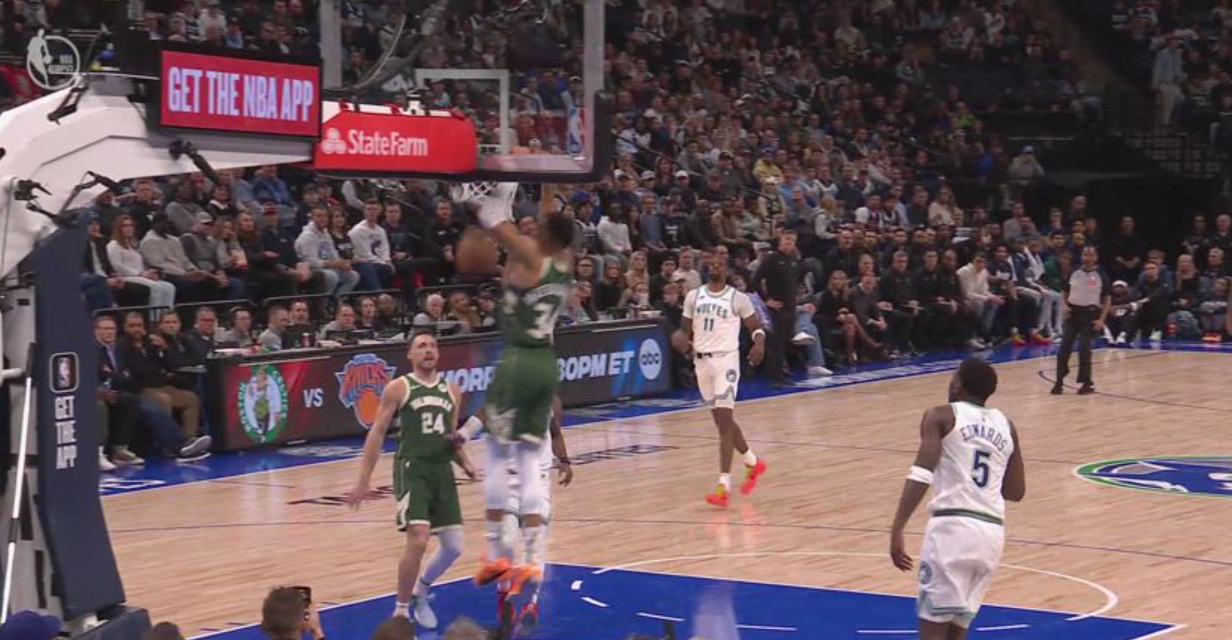
The situation has reached a critical point that demands bold action. According to reports from The Sun and analysis by Awful Announcing, Smith made his case on his SiriusXM radio show. He argues the current system of voluntary load management has failed. A league-wide mandate is now necessary to protect the league’s most valuable assets.
The Scale of the NBA’s Injury Crisis
The numbers are stark and alarming. Data compiled by Basketnews shows star players have already missed over 200 games this season. That figure is almost twice as high as it was at this same point last year. The trend shows no sign of reversing, threatening the competitive integrity of the entire season.
High-profile names dominate the injured list. Giannis Antetokounmpo is out with a groin strain. Ja Morant is sidelined with a calf issue. Anthony Davis, Victor Wembanyama, and Jrue Holiday are also among the many stars missing time. Even LeBron James recently returned from a bout of sciatica. The pattern points to a systemic problem, not just bad luck.
Golden State Warriors coach Steve Kerr has publicly voiced concern. He specifically cited the league’s increased pace of play as a contributing factor. The condensed 82-game schedule leaves little room for recovery. Player bodies are breaking down under the relentless physical demand.
Breaking Down Smith’s Controversial Mandate
Stephen A. Smith’s solution is a two-part league rule. First, every team must play a minimum of 10 different players each night. Second, no single player can exceed 33 minutes of action in a regulation game. This would force coaches to utilize their entire roster and prevent over-reliance on top talent.
“Why you gotta play guys 35 minutes?” Smith argued on air. “Why you gotta play eight guys? Why can’t you play 10 to 11? I’m talking about mandate it.” He elaborated that with 12 men on a roster, teams should be required to play at least 10 to minimize wear and tear on any individual.
He directly addressed the perceived extremity of the idea. “How about this one,” Smith added, “nobody gets to play more than 33 minutes if we’re gonna do that. Think about that for a second, as crazy as it sounds.” His framing presents the mandate as a necessary shock to the system.
Why This Radical Plan Faces Immense Hurdles
The practical obstacles are enormous. Imagine a close playoff game, down one point with seconds left. Would a coach really be forced to bench their best player because they hit a 33-minute limit? Competitive integrity in crucial moments would be severely compromised. Overtime scenarios would create even more absurd situations.
The economic implications are just as significant. Fans pay premium prices to see superstars perform. Artificially limiting their minutes directly hurts the in-arena experience and could impact ticket sales and viewership. The league’s lucrative media rights deals are built on star power.
Furthermore, the NBA Players Association would likely vehemently oppose such a restriction. It limits a player’s ability to compete and directly affects statistical achievements tied to contracts and legacy. The proposal, while thought-provoking, conflicts with fundamental aspects of professional sports.
Searching for More Realistic Solutions
If a hard cap is unworkable, other options exist. Shortening quarters from 12 to 10 minutes would reduce overall physical load. This approach lowers total game time for everyone without arbitrary individual limits. It’s a more equitable solution that maintains competitive balance.
Improving schedule logistics is another path. Reducing back-to-back games and creating more rest days between contests would aid recovery. The league has made strides here, but the current injury spike suggests more is needed. Better spacing of national TV games could also help.
The core issue remains unresolved. The NBA is locked into an 82-game schedule and major media commitments stretching to 2036. The financial model depends on it. Yet the human body, even at an elite athletic level, may not be able to sustain the current pace. Stephen A. Smith’s 33-minute cap is a dramatic conversation starter for a very real problem.
The NBA’s injury crisis threatens the product fans pay to see. While Stephen A. Smith’s proposed 33-minute cap is likely too radical, it highlights the urgent need for the league to find a sustainable solution. Protecting its stars is no longer just about team strategy—it’s a fundamental business imperative.
Dropping this nugget your way
What is Stephen A. Smith’s exact proposal for the NBA?
He proposes a league mandate forcing teams to play at least 10 players per game. Furthermore, no individual player would be permitted to exceed 33 minutes of playing time in a regulation contest.
Why is he suggesting this now?
The 2025-26 NBA season has seen an extreme spike in injuries to star players. Over 200 games have already been lost, nearly double last season’s rate, prompting calls for systemic change to protect player health.
Which NBA stars are currently injured?
The list is long and includes Giannis Antetokounmpo, Ja Morant, Anthony Davis, and Victor Wembanyama. Veterans like LeBron James have also missed time recently, highlighting the widespread nature of the problem.
Would the NBA Players Association agree to a minute cap?
It is highly unlikely. The NBPA would probably fight any rule that restricts a player’s opportunity to compete and earn statistics, which are directly tied to their market value and career achievements.
What are more realistic alternatives to a hard cap?
Experts suggest shortening game quarters, further reducing back-to-back games, and improving overall schedule spacing. These measures could lower physical load without the competitive complications of an individual minute limit.
Has the NBA changed rules for player health before?
Yes. The league has implemented load management guidelines, rest rules for nationally televised games, and has worked to reduce stretches of four games in five nights. The current crisis may prompt the next evolution of these policies.
iNews covers the latest and most impactful stories across
entertainment,
business,
sports,
politics, and
technology,
from AI breakthroughs to major global developments. Stay updated with the trends shaping our world. For news tips, editorial feedback, or professional inquiries, please email us at
[email protected].
Get the latest news and Breaking News first by following us on
Google News,
Twitter,
Facebook,
Telegram
, and subscribe to our
YouTube channel.