The U.S. auto safety regulator is investigating dozens of new reports involving Tesla’s driver-assistance software. The National Highway Traffic Safety Administration (NHTSA) has identified at least 80 incidents where Tesla’s Full Self-Driving (Supervised) system allegedly violated traffic laws. These reports include the software running red lights or veering into the wrong lane.
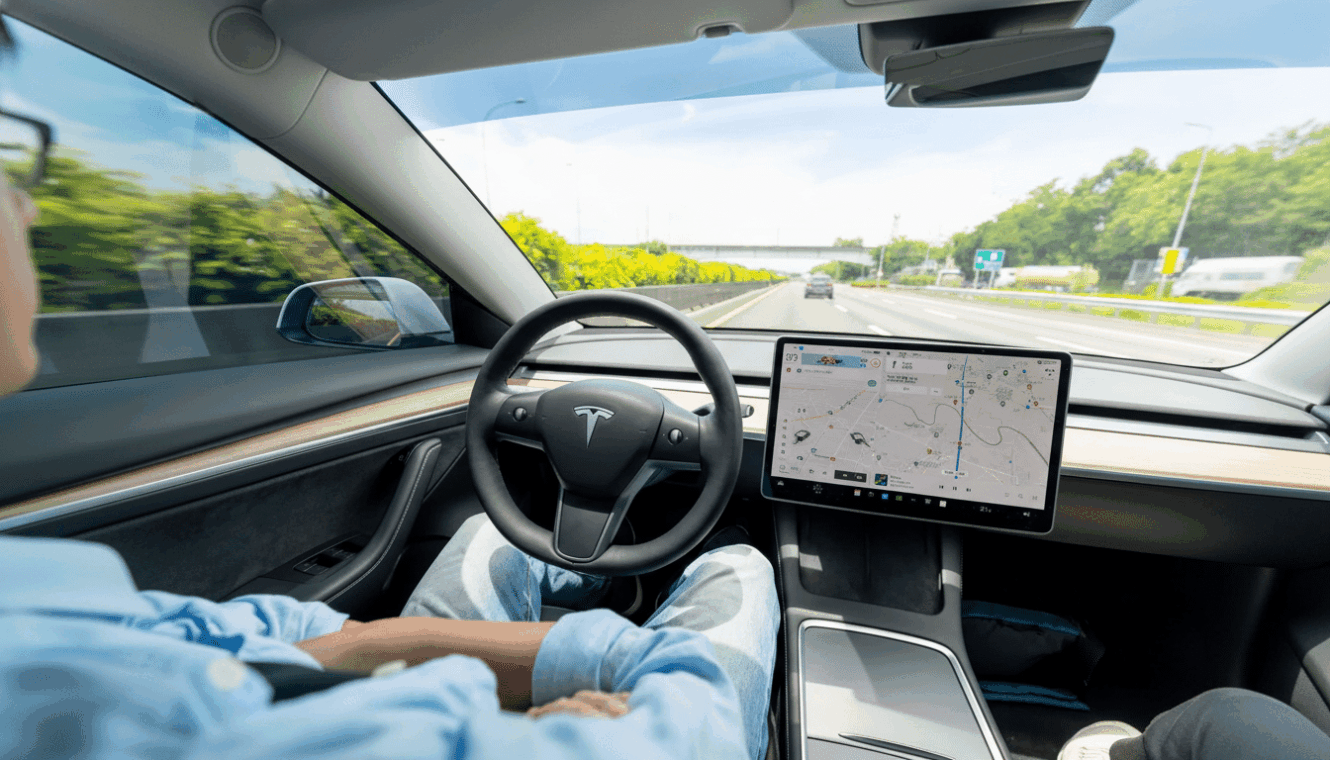
This news comes directly from a formal letter NHTSA sent to Tesla this week. According to Reuters, the agency’s probe focuses on the software’s ability to obey basic road rules. This is a significant escalation of an investigation that began with around 50 incidents last October.
Safety Agency Demands Answers from Tesla by January
NHTSA’s Office of Defects Investigation is leading the inquiry. They are scrutinizing whether Tesla’s FSD can accurately detect and respond to traffic signals, signs, and lane markings. The agency is also evaluating if the system provides sufficient warnings to drivers during these failures.
The 80 cited cases come from 62 driver complaints, 14 reports from Tesla itself, and four media accounts. Tesla must now provide a detailed response to the agency’s questions. The company’s official answers are due by January 19, 2026.
This investigation represents a major test for Tesla’s advanced software. The increased number of complaints suggests the issue may be broader than a single problematic intersection. The agency is requesting extensive data from Tesla on how many vehicles use the software and how often it is engaged.
Broader Scrutiny for Autonomous Driving Claims
This marks the second active NHTSA probe into Tesla’s FSD software. Another investigation, opened in October 2024, examines how the system performs in low-visibility conditions like fog. Together, these probes highlight growing regulatory scrutiny of automated driving claims.
The latest NHTSA letter was sent the same week CEO Elon Musk made a controversial statement. Musk claimed the newest FSD version would allow drivers to text while the software is active. Such behavior is illegal in nearly every state, raising further questions about safety messaging.
The NHTSA investigation into Tesla FSD underscores critical questions about the real-world performance of advanced driver-assistance systems. The agency’s findings could have major implications for the entire autonomous vehicle industry and its regulatory future.
A quick knowledge drop for you
What specific violations is NHTSA investigating?
The agency is looking at incidents where Tesla’s FSD software allegedly ran red lights or crossed into the wrong lane of traffic. They are checking if the system properly detects traffic signals and lane markings.
How many reports triggered this investigation?
NHTSA has cited at least 80 separate instances. This total includes 62 complaints from Tesla drivers, 14 reports submitted by Tesla to the agency, and four separate media reports.
Has Tesla responded to these allegations?
Tesla has not issued a public statement on the new letter. The company previously addressed one problematic intersection in Maryland. They now must provide a formal response to NHTSA by January 19, 2026.
Is this the only active probe into Tesla’s FSD?
No. This is the second active NHTSA investigation. Another probe, opened in late 2024, is examining how the FSD software performs in poor visibility conditions like heavy fog or glaring sunlight.
What information is NHTSA asking Tesla to provide?
The agency has requested extensive data. This includes the total number of Tesla vehicles equipped with FSD, how often drivers engage the software, and all related customer complaints Tesla has received.
iNews covers the latest and most impactful stories across
entertainment,
business,
sports,
politics, and
technology,
from AI breakthroughs to major global developments. Stay updated with the trends shaping our world. For news tips, editorial feedback, or professional inquiries, please email us at
[email protected].
Get the latest news and Breaking News first by following us on
Google News,
Twitter,
Facebook,
Telegram
, and subscribe to our
YouTube channel.