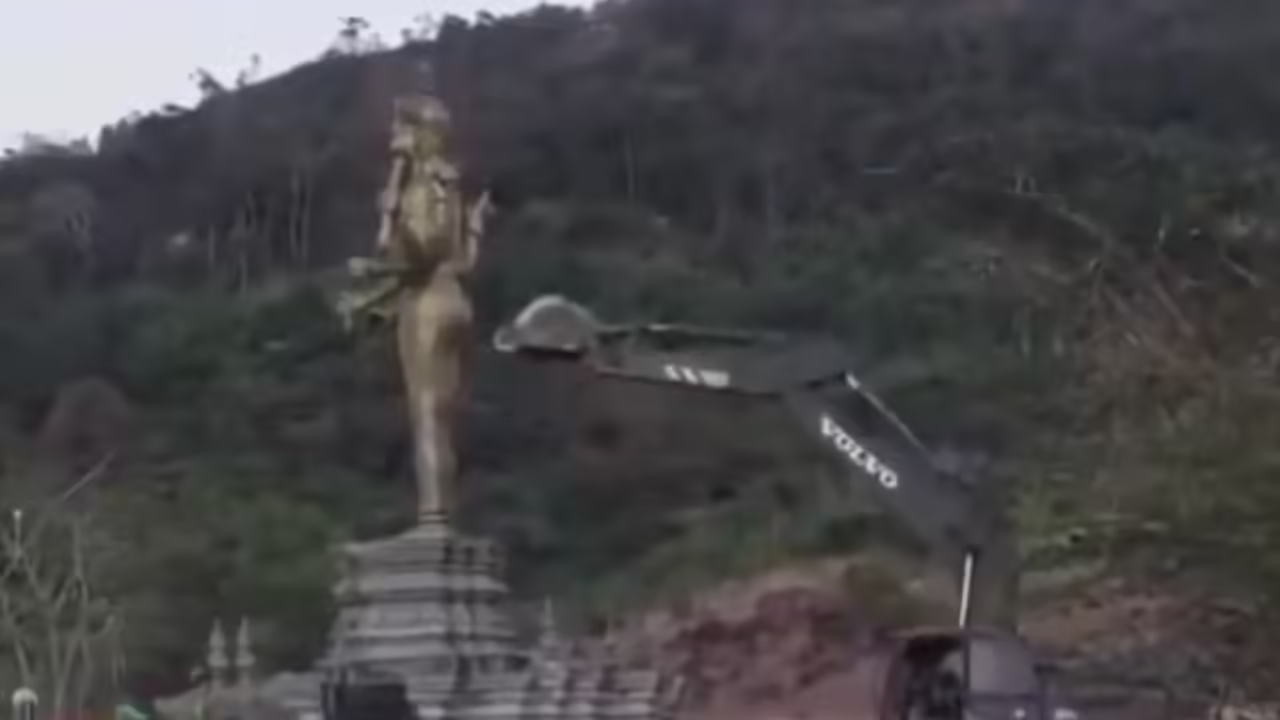
India has officially condemned the demolition of a Hindu deity statue amid ongoing border clashes. The incident occurred on Monday in a disputed zone between Thailand and Cambodia. It involves a statue of Lord Vishnu erected in 2014.
 The Ministry of External Affairs called the act deeply disrespectful. It hurts the sentiments of followers globally. Officials urged both nations to return to dialogue immediately.
Statue Demolition Sparks Outrage
The Vishnu statue was toppled by a bulldozer operated by Thai military engineers. A video of the demolition circulated widely on social media. It sparked significant outrage among cultural and religious observers.
According to reports from AFP, Cambodian officials claim the statue was inside their territory. A government spokesman placed it about 100 meters from the border. However, other mapping data suggests a different location.
This act adds a cultural dimension to the military conflict. It damages shared civilizational heritage in the region. The statue was a local landmark for nearly a decade.
Ongoing Conflict and Diplomatic Strain
The demolition occurred during two weeks of fierce border clashes. The fighting has reportedly killed at least 86 people. This information comes from Reuters coverage of the conflict.
The clashes stem from a long-standing territorial dispute. The focus is an 800-kilometer border with ancient temple ruins. Each side has blamed the other for instigating the recent violence.
Military talks began this week in an attempt to broker a new ceasefire. Previous truces, brokered by nations like the US and China, have failed. The situation remains tense and unstable.
India’s firm stance highlights how cultural destruction inflames international disputes. The demolition of the Vishnu statue has turned a border clash into a broader issue of heritage. A lasting peace must respect both territory and shared history.
Thought you’d like to know
Q1: Where was the demolished Vishnu statue located?
The statue was in a disputed border area between Thailand and Cambodia. Cambodian officials stated it was inside their territory near Preah Vihear province. Mapping services show conflicting information about its exact placement.
Q2: What caused the Thailand-Cambodia border clashes?
The clashes are rooted in a decades-old territorial dispute. The conflict centers on colonial-era border demarcation and ancient temple ruins. Each nation accuses the other of initiating the recent hostilities.
Q3: How many casualties have the clashes caused?
Recent fighting has killed at least 86 people according to Reuters. This adds to dozens killed in a previous round of clashes in July. The casualty toll includes military personnel and potentially civilians.
Q4: What has been the international reaction?
India has condemned the statue’s destruction as disrespectful. Other nations, including the US and China, have previously brokered ceasefires. The international community consistently calls for dialogue and peace.
Q5: Are there ongoing peace talks?
Yes, military officials from both nations began new talks recently. The discussions aim to establish a lasting ceasefire. Previous negotiation attempts have failed to hold.
Trusted Sources: Reuters, AFP, Indian Ministry of External Affairs
iNews covers the latest and most impactful stories across
entertainment,
business,
sports,
politics, and
technology,
from AI breakthroughs to major global developments. Stay updated with the trends shaping our world. For news tips, editorial feedback, or professional inquiries, please email us at
[email protected].
Get the latest news and Breaking News first by following us on
Google News,
Twitter,
Facebook,
Telegram
, and subscribe to our
YouTube channel.