Thailand and Cambodia agreed to a new ceasefire on Saturday after 20 days of heavy border fighting. The clashes killed at least 101 people and displaced more than half a million on both sides. The ceasefire took effect at noon along the disputed frontier. The main keyword in this title is “Thailand–Cambodia ceasefire.”
The halt came after weeks of rocket fire, airstrikes, and artillery exchanges. Both nations said they will freeze troop positions to stop new tensions.
Thailand–Cambodia Ceasefire Holds After Intense Border Attacks
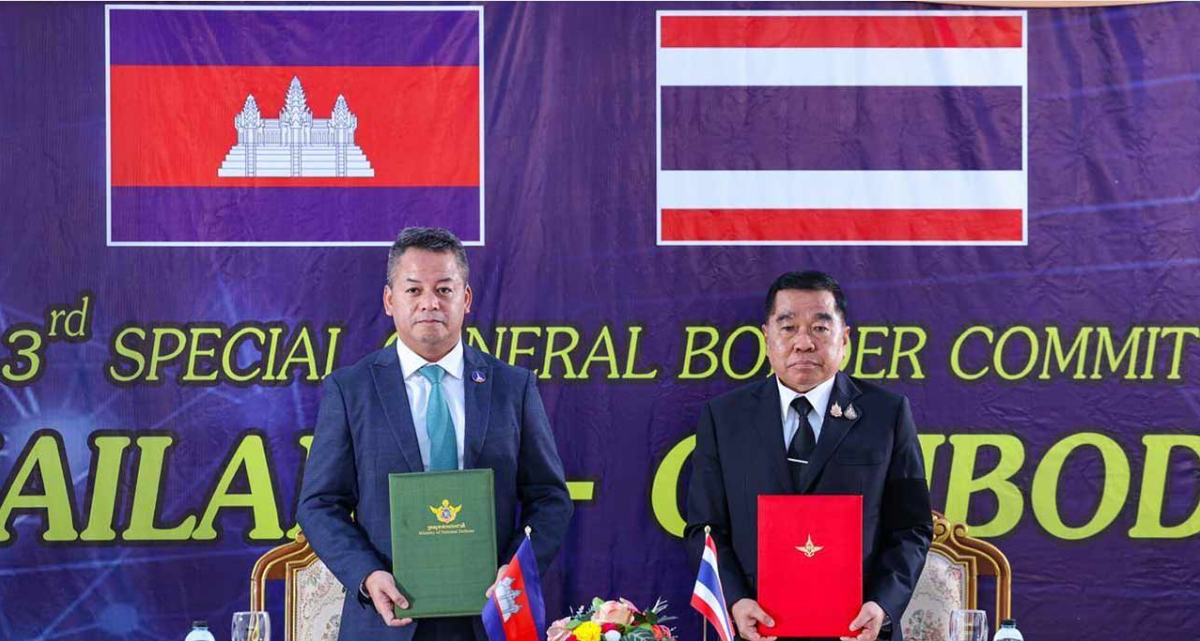
The new ceasefire was signed by Thai Defence Minister Natthaphon Nakrphanit and Cambodian Defence Minister Tea Seiha. Both sides said they will not move troops or add new forces. According to Reuters, the deal aims to prevent new flare‑ups along the long‑disputed border.
The border saw some of the worst violence in years. Fighter jets were used on several days. Artillery shells hit villages on both sides. Many families fled with only basic items.
Officials said at least 101 people were killed since the clashes began in early December. More than 500,000 people were forced to leave their homes. Aid groups in the region reported crowded shelters and rising pressure on local services.
The fighting restarted after an earlier ceasefire collapsed. That truce had been helped by U.S. President Donald Trump during the summer. But talks later broke down, and both armies accused each other of new attacks.
Why the New Border Truce Matters for the Region
The latest Thailand–Cambodia ceasefire may calm one of Southeast Asia’s most sensitive flashpoints. The border carries a long history of disputes, and any new conflict risks drawing in global attention. It also threatens trade and travel between the two nations.
Analysts say both sides want to avoid a deeper conflict. The cost of the fighting has grown quickly. Transport routes were disrupted, and markets along the frontier closed for days. Many workers lost income during the clashes.
The new truce may help people move back home. But it remains unclear how long it will hold. Past ceasefires between the two countries have broken down under pressure or mistrust.
Regional observers note that both governments face public pressure to end the violence. Local leaders hope new talks will follow the ceasefire and lead to a longer, stable agreement.
The Thailand–Cambodia ceasefire marks a rare moment of calm after weeks of deadly fighting. It offers hope, but the road to lasting peace is still uncertain. The main keyword remains Thailand–Cambodia ceasefire.
Info at your fingertips-
Q1: What is the Thailand–Cambodia ceasefire?
It is a new truce agreed by both countries to stop 20 days of border fighting. It freezes troop movements and aims to prevent new clashes.
Q2: How many people were displaced?
More than half a million people were displaced. Many left homes near the conflict zone and moved to shelters.
Q3: How many people were killed in the clashes?
At least 101 people died, according to reports from Reuters and local officials. The number includes soldiers and civilians.
Q4: Why did the fighting restart?
The fighting restarted after an earlier ceasefire collapsed. Both sides accused each other of breaking the agreement.
Q5: Will the new ceasefire last?
It is not yet clear. Past ceasefires between the two nations have broken down, but both sides now face pressure to keep peace.
iNews covers the latest and most impactful stories across
entertainment,
business,
sports,
politics, and
technology,
from AI breakthroughs to major global developments. Stay updated with the trends shaping our world. For news tips, editorial feedback, or professional inquiries, please email us at
[email protected].
Get the latest news and Breaking News first by following us on
Google News,
Twitter,
Facebook,
Telegram
, and subscribe to our
YouTube channel.