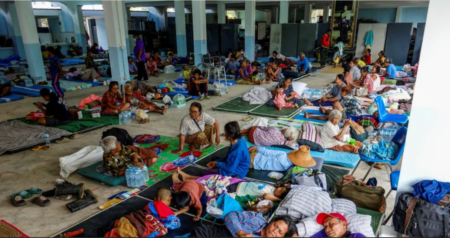
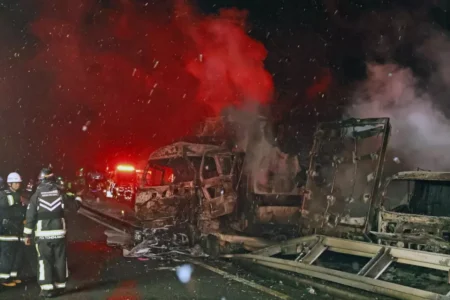
Thailand and Cambodia agreed to a new Thailand-Cambodia ceasefire on Saturday after weeks of fierce border clashes. The deal was confirmed on December 27, 2025. It followed heavy fighting along their shared frontier. Both armies used jets, rockets, and artillery. The new ceasefire took effect at noon local time.
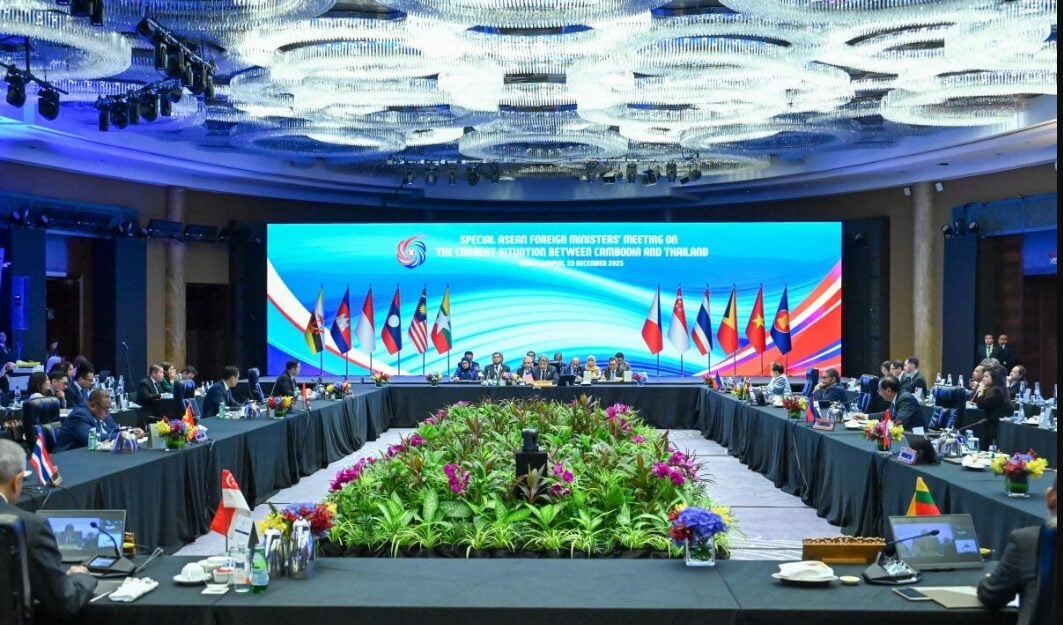
The halt came after 20 days of violence. According to Associated Press and Reuters, at least 101 people died. More than half a million were displaced on both sides. Officials said both armies will keep their current troop positions. They also warned that any movement could trigger new tensions.
Ceasefire Details and Rising Tensions
The two Defence Ministers signed the deal on Saturday morning. Thai Defence Minister Natthaphon Nakrphanit and Cambodian Defence Minister Tea Seiha issued a joint statement. They said both militaries will freeze troop deployment. The goal is to stop sudden shifts that could spark new fire.
Reuters reported that the clashes resumed in early December. A previous truce brokered by U.S. President Donald Trump in July had collapsed. The breakdown led to new artillery strikes and air power use. Both nations accused each other of crossing the border line. Villages near Sa Kaeo in Thailand and Banteay Meanchey in Cambodia faced repeated shelling.
The new agreement stresses calm. It urges both sides to open more communication lines. Thai officials said talks would continue in the coming weeks. Cambodian leaders said they want long-term peace but need firm security guarantees.
Impact on Civilians and Region
The fighting pushed families to flee their homes. Camps near the border filled fast. Aid groups told AP that food and water supplies were tight. Many homes were damaged during the shelling. Local schools and clinics were also shut.
The border zone is important for trade. Cross-border markets closed during the clashes. This hurt local farmers and traders on both sides. Analysts told Reuters that both governments faced pressure at home. People demanded safety and quick relief.
The ceasefire may ease the tension. But experts warn that deeper issues remain. The border has been disputed for decades. Old maps and historic claims still cause friction. Regional observers say more talks are needed for lasting peace.
Regional Response and Next Steps
Neighboring countries called for calm. ASEAN members urged both sides to hold steady. They said the region cannot risk further instability. International groups also monitored the crisis. They offered support if peace talks resume.
For now, troops will stay in place. Patrols will remain limited. Both countries said they will avoid new buildups. They also plan to review earlier agreements that govern the border area. This could open a path to long-term cooperation.
The new Thailand-Cambodia ceasefire offers hope. It brings a pause to the worst fighting in years. Both countries now face the hard work of keeping the peace.
Thought you’d like to know-
Q1: What is the Thailand-Cambodia ceasefire?
It is a new agreement to stop fighting along the border. Both countries agreed to keep troops in place. It took effect on December 27, 2025.
Q2: Why did the clashes start again?
The earlier truce from July collapsed. Tensions rose in early December. Both sides accused each other of border violations.
Q3: How many people were affected?
At least 101 people died, according to Reuters and AP. More than 500,000 were displaced. Many homes and farms were damaged.
Q4: What happens next for both countries?
Troops will stay in their current locations. Both sides plan to keep talking. Regional groups will watch the situation closely.
Q5: Will the ceasefire last?
It is not clear yet. Past ceasefires have failed. Both sides say they want stability, but the border dispute remains complex.
Trusted Sources: Associated Press, Reuters, BBC
iNews covers the latest and most impactful stories across
entertainment,
business,
sports,
politics, and
technology,
from AI breakthroughs to major global developments. Stay updated with the trends shaping our world. For news tips, editorial feedback, or professional inquiries, please email us at
[email protected].
Get the latest news and Breaking News first by following us on
Google News,
Twitter,
Facebook,
Telegram
, and subscribe to our
YouTube channel.