Thailand and Cambodia have agreed to renew their ceasefire after fresh border clashes this week. The move came on Friday after talks with United States President Donald Trump. The agreement aims to stop all shooting along the disputed border zone. Both countries confirmed they will return to their earlier peace accord made in July.

The decision followed days of renewed fighting that left people dead and many injured. It also raised fears of a wider conflict. The renewed truce now seeks to stabilise the frontier and lower tensions on both sides.
New Push to Restore Calm Along Thailand Cambodia Border
According to Reuters, both nations exchanged rockets and artillery fire at several points along their 817‑km border this week. The clashes killed 20 people and wounded more than 260 others. The fighting echoed the five-day clash in July that had already strained relations between Bangkok and Phnom Penh.
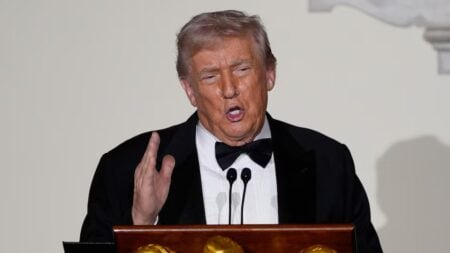
Trump said he spoke with Thai Prime Minister Anutin Charnvirakul and Cambodian Prime Minister Hun Manet before the ceasefire was restored. The US leader called the border fighting “unfortunate” and said he was glad to help prevent a larger conflict. He also thanked Malaysian Prime Minister Anwar Ibrahim, who helped mediate the first truce earlier this year.
The original ceasefire in July came after pressure from Washington. The Associated Press reported that Trump had threatened to withhold trade privileges unless both nations agreed to end the fighting. That deal was later formalised at a regional meeting in Malaysia in October.
This new agreement brings both sides back to the same terms. It asks forces to halt all shooting and step back from contested areas. Officials in both capitals hope the pause will open the door to direct talks on long-term border markings.
Impact of the Renewed Thailand Cambodia Ceasefire
The new ceasefire is expected to calm tensions along the border, at least for now. It gives both militaries time to pull back and assess damage from the latest clashes. It also protects nearby villages that have seen heavy shelling during the exchanges.
Regional analysts say a stable border is important for trade and movement between the two countries. Both economies depend on cross-border transport. Any long disruption hurts local businesses and slows economic activity.
People living near the frontier hope the ceasefire will last longer than the previous one. However, the border remains disputed in several areas. Without a new settlement, experts say the risk of fresh clashes remains.
Both governments have signaled they want to avoid more violence. They also face pressure from the international community to resolve the conflict. For now, the renewed ceasefire offers a chance to reset talks and lower the threat of war.
The Thailand Cambodia ceasefire is now back in place, giving both sides a needed pause. It may help stop more casualties and bring talks back to the table. The coming weeks will show if this truce holds.
FYI (keeping you in the loop)-
Q1: What led to the Thailand Cambodia ceasefire?
The ceasefire came after days of new border clashes. Both sides agreed to halt shooting and return to their earlier peace accord. Talks with the US and Malaysia helped secure the deal.
Q2: How many casualties were reported?
According to Reuters, the clashes killed 20 people. More than 260 others were injured on both sides of the border.
Q3: Who helped mediate the agreement?
US President Donald Trump and Malaysian Prime Minister Anwar Ibrahim played key roles. Trump spoke with both leaders before the new ceasefire was reached.
Q4: Why is the border disputed?
The border has several unclear sections. Both countries claim certain areas, which has caused repeated clashes.
Q5: Will the ceasefire last?
It is unclear. The agreement lowers tension for now. Long-term peace will depend on future talks.
iNews covers the latest and most impactful stories across
entertainment,
business,
sports,
politics, and
technology,
from AI breakthroughs to major global developments. Stay updated with the trends shaping our world. For news tips, editorial feedback, or professional inquiries, please email us at
[email protected].
Get the latest news and Breaking News first by following us on
Google News,
Twitter,
Facebook,
Telegram
, and subscribe to our
YouTube channel.