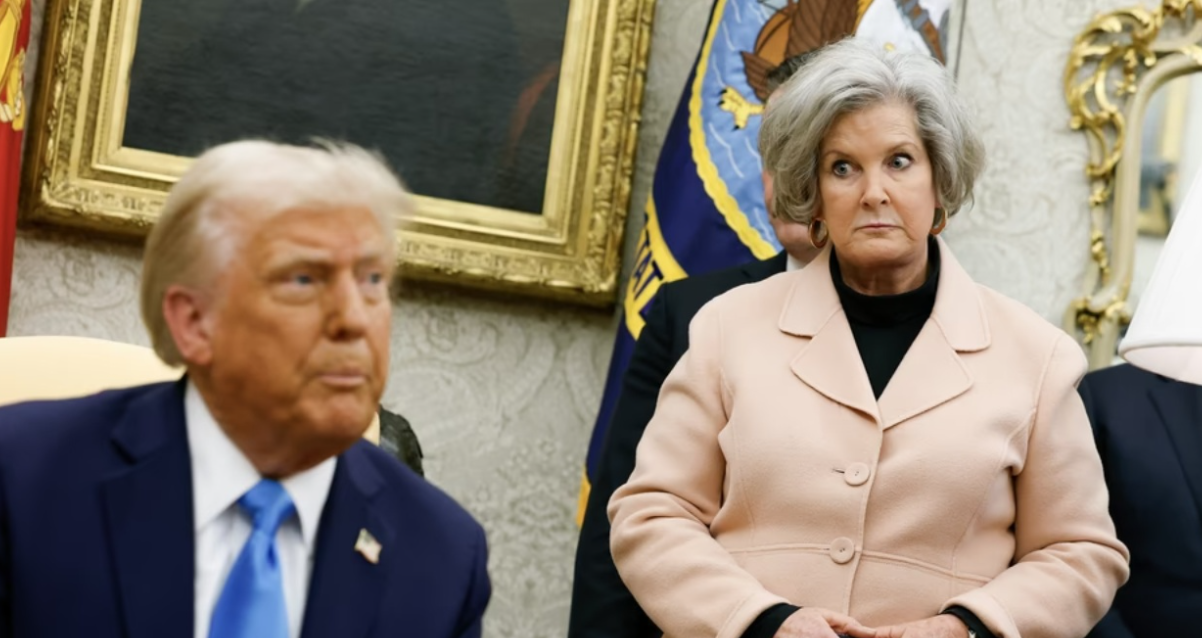
She told Vanity Fair the former president has an “alcoholic’s personality.” The comment has ignited widespread discussion. This is especially true because Trump himself is a known non-drinker.
The concept of an alcoholic personality is now under fresh scrutiny. Experts are clarifying what the term actually means in a medical sense.
Clinicians and addiction specialists were quick to provide context. According to experts cited in reports from sources like Reuters, there is no formal diagnosis called “alcoholic personality.”
The recognized medical condition is Alcohol Use Disorder (AUD). It is defined by specific behavioral and physical criteria. These include an inability to control drinking and continuing use despite clear harm.
Some personality traits are statistically linked to a higher risk of developing AUD. Research notes impulsivity and neuroticism can be factors. However, these traits do not predestine someone to addiction.
They are part of a complex interplay of genetics and environment. Using the phrase “alcoholic personality” can be problematic. Professionals say it risks oversimplifying a serious health condition.
It can also unfairly stigmatize individuals. The diagnostic manual used by psychiatrists avoids the term entirely. It focuses on observable behaviors and their consequences instead.
Susie Wiles explained her perspective in the Vanity Fair profile. She grew up with an alcoholic father. She said she observed similar traits of grandiosity and intense self-belief in high-functioning individuals.
Trump’s Response and the Political Fallout
Donald Trump responded directly to the controversy. He spoke to The New York Post about the interview.
He defended his chief of staff and agreed with her characterization. Trump stated he does not drink alcohol. He has often cited his brother’s death as a reason.
“I’ve often said that if I did, I’d have a very good chance of being an alcoholic,” Trump told the Post. He described it as a “very possessive personality.” He affirmed his confidence in Wiles and her work.
Trump also criticized the interviewer and Vanity Fair magazine. He accused them of creating a “disingenuously framed hit piece.” He claimed the facts were presented wrongly to mislead readers.
The incident highlights how personal descriptions in politics are amplified. A simple analogy from a trusted aide can become a major news story. It blends personal history with public perception.
The reaction shows Trump’s style of handling internal criticism. He quickly backed his aide while dismissing the media outlet. This consolidates loyalty within his team.
The discussion around an alcoholic personality, while clinically nuanced, has entered the political lexicon. It underscores how personal psychology remains a focal point in modern political narratives. The term continues to generate debate far beyond its clinical origins.
iNews covers the latest and most impactful stories across
entertainment,
business,
sports,
politics, and
technology,
from AI breakthroughs to major global developments. Stay updated with the trends shaping our world. For news tips, editorial feedback, or professional inquiries, please email us at
[email protected].
Get the latest news and Breaking News first by following us on
Google News,
Twitter,
Facebook,
Telegram
, and subscribe to our
YouTube channel.