President Donald Trump has officially ended birthright citizenship in the United States. He signed an executive order on his first day back in office. The order is now facing a pivotal Supreme Court review.
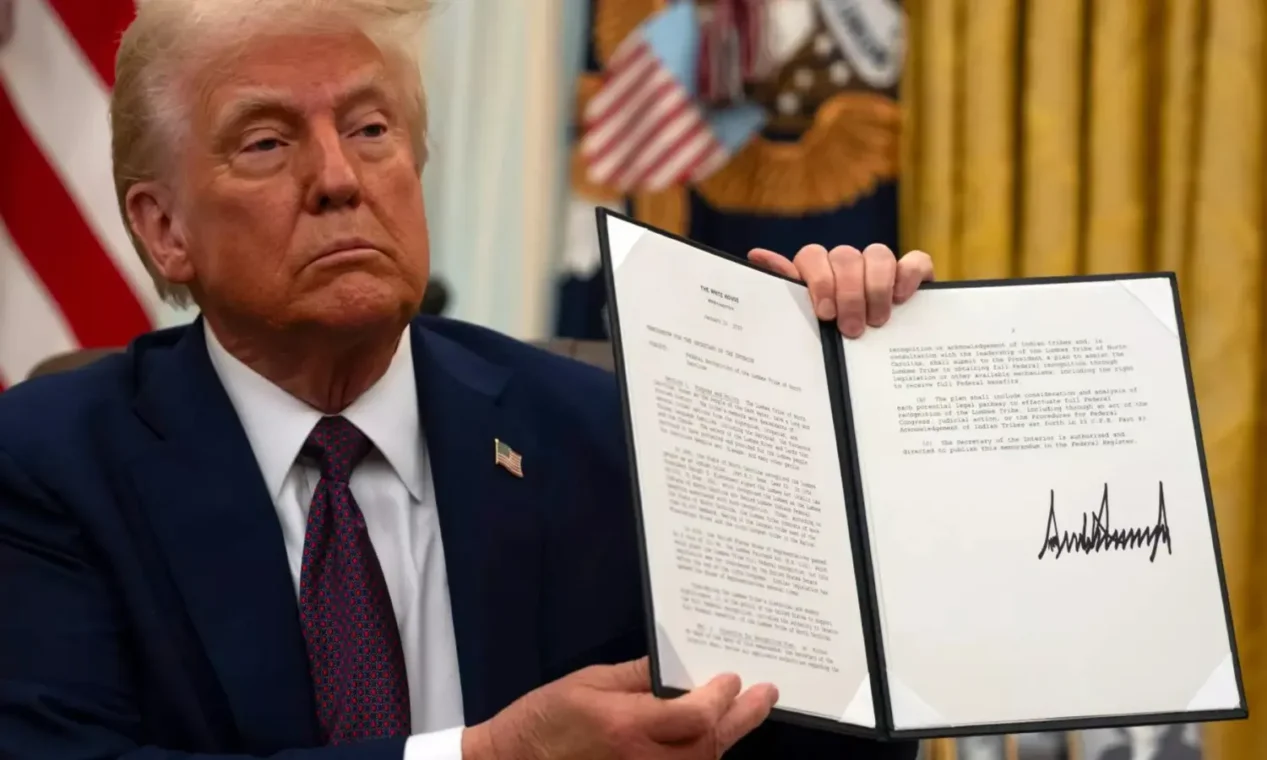 Trump claims the constitutional right was meant for slaves, not immigrants. He made the statement in a recent Politico interview. The move fundamentally alters a century-and-a-half of American law.
Children born in the U.S. after that date are not automatic citizens. Their parents must be U.S. citizens or lawful permanent residents. This reverses the long-standing interpretation of the 14th Amendment.
According to Politico, Trump defended the order vigorously. He stated the constitutional clause was created for the children of slaves. He said it was established during the Civil War era.
Trump argued the law is now exploited by the wealthy. He said rich foreigners use it to gain citizenship for their families. He believes the country cannot house tens of millions of new people.
The administration’s order was immediately challenged in court. Multiple federal courts moved to block its implementation. A major legal battle quickly reached the highest level.
Supreme Court to Rule on Citizenship Constitutionality
The Supreme Court intervened in the case in June 2025. It made a significant procedural ruling first. The court stated federal judges cannot issue broad nationwide injunctions against such orders.
This decision allowed the legal challenge to proceed directly to them. The justices agreed to hear the case on its merits. They will now decide if the executive order is constitutional.
Trump called a potential loss “devastating” in his interview. He expressed confidence the court understands his viewpoint. He believes the historical context supports his action.
The core issue is the 14th Amendment. It was ratified in 1868, after the Civil War. The text grants citizenship to all persons born or naturalized in the U.S.
For over 150 years, this clause guaranteed citizenship to anyone born on American soil. Trump’s order reinterprets the phrase “subject to the jurisdiction thereof.” It excludes children of undocumented immigrants and certain non-citizens.
Legal scholars are deeply divided on the matter. The Supreme Court’s final decision will have historic consequences. It will define American citizenship for generations.
Immediate Impact and National Reaction
The order has created uncertainty for many families. Hospitals and local officials are seeking clear federal guidance. Birth certificates and Social Security numbers are now in question.
Immigrant advocacy groups have promised continued resistance. They argue the change is unlawful and discriminatory. The nation awaits the Supreme Court’s final word.
The future of birthright citizenship now rests with nine justices. Their ruling will either uphold a sweeping presidential order or reaffirm a foundational amendment. This decision will reshape the very definition of what it means to be American.
Disclaimer: This article reports on a recent political development and pending Supreme Court case. It is based on information from established news sources and public statements.
References: Politico, Associated Press, Supreme Court filings.
iNews covers the latest and most impactful stories across
entertainment,
business,
sports,
politics, and
technology,
from AI breakthroughs to major global developments. Stay updated with the trends shaping our world. For news tips, editorial feedback, or professional inquiries, please email us at
[email protected].
Get the latest news and Breaking News first by following us on
Google News,
Twitter,
Facebook,
Telegram
, and subscribe to our
YouTube channel.