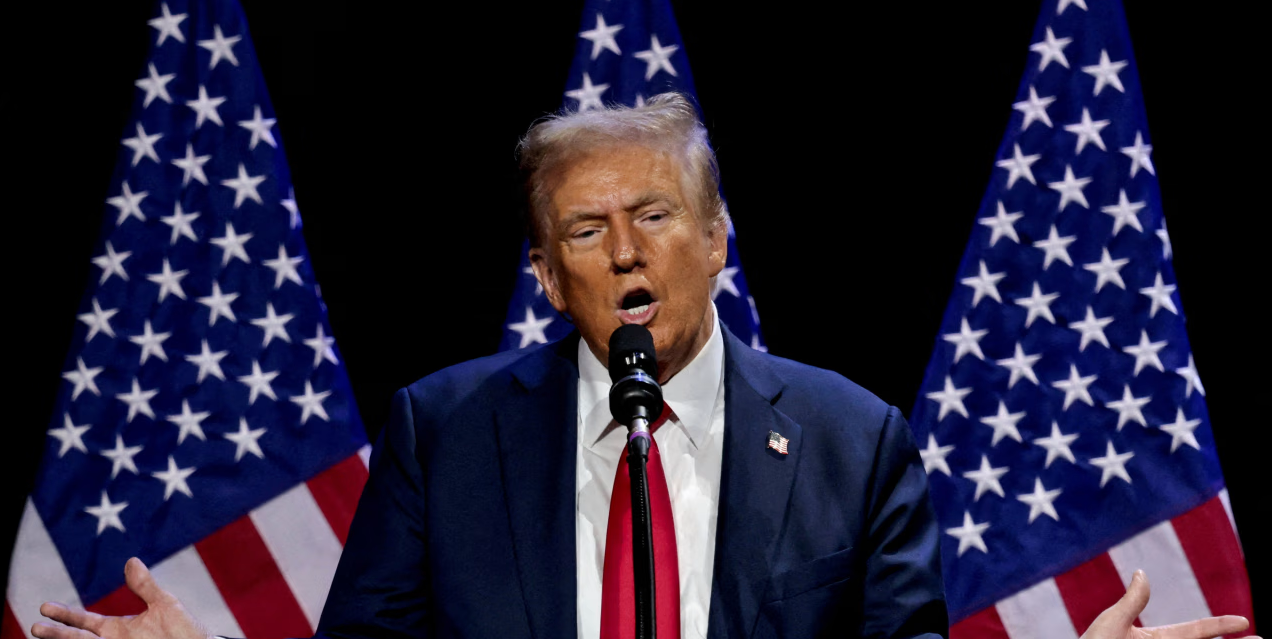
President Donald Trump warned Venezuelan President Nicolás Maduro on Monday as the U.S. ramped up its pursuit of sanctioned oil tankers in the Caribbean. The move came as the U.S. Coast Guard chased another vessel linked to what officials call Venezuela’s shadow fleet. The warning was delivered in Florida, where Trump met national security aides during his holiday break.
The standoff marks a sharp rise in pressure on Caracas. According to Reuters and the Associated Press, U.S. officials say the tankers are operating under false flags to evade sanctions. The U.S. has already seized two vessels this month and says more action may follow.
U.S. Pressure on Venezuela’s Tankers Intensifies
Trump said Maduro should not “play tough” as the Coast Guard continued a second day of pursuit against a sanctioned tanker under a U.S. seizure order. U.S. officials say the tanker is part of a growing fleet that works around sanctions by moving crude through covert routes. Trump said the vessel “will be taken.”
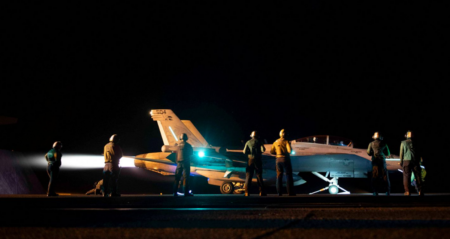
Recent seizures include the Panama‑flagged Centuries and another tanker called Skipper. Both were described by U.S. officials as part of the shadow fleet used to move sanctioned oil. According to the Associated Press, the Navy assisted with the operations.
Homeland Security officials said the actions were meant to send a clear warning that illegal transport of Venezuelan oil would not be tolerated. They argued that the Maduro government must face consequences for evading sanctions and confiscating U.S. company assets in past years.
Russia reacted by evacuating families of its diplomats from Caracas. According to AP, Russian officials described the situation in Venezuela in “grim tones.” Venezuelan authorities, however, insisted that Russia remained supportive of the country and condemned the U.S. blockade.
Impact on Venezuela and Regional Stability
The tanker crackdown has already changed daily life near some Venezuelan refineries. A shadow‑fleet tanker was spotted near El Palito, where locals say only one tanker now appears instead of many in the past. Families at nearby beaches noted that the industry’s decline has reshaped the holiday season and the local economy.
The government responded by moving to criminalize any action linked to tanker seizures. Lawmakers introduced a bill that could impose up to 20‑year prison sentences for supporting acts labeled as piracy or blockades. The move signals rising political tension as the U.S. continues its maritime operations.
U.S. forces have also expanded strikes on small vessels suspected of drug trafficking. According to AP, at least 105 people have died in 29 strikes since early September. Critics in Congress and human rights groups argue that the U.S. has not provided clear evidence that all targets were drug smugglers.
Regional Stakes and What Comes Next
The pressure campaign raises questions about long‑term stability in the Caribbean. The tanker seizures could tighten Venezuela’s limited oil exports and deepen economic strain. The tense maritime environment may also increase friction with allies such as Russia.
For Washington, the campaign aims to slow illegal drug flows and enforce sanctions. But critics warn that the approach risks escalation without a clear end goal. For Venezuelans, the impact is visible in daily life, shrinking fuel output, and rising costs.
The U.S. showdown with Venezuela’s shadow fleet now sits at the center of a wider struggle for power and influence in the region. The main keyword “Trump Venezuela warning” reflects a crisis that may intensify in the coming weeks.
FYI (keeping you in the loop)-
Q1: What is the Trump Venezuela warning?
It is Trump’s public message telling Maduro not to “play tough.” The warning came as the U.S. escalated actions against Venezuela’s sanctioned tankers.
Q2: Why is the U.S. seizing Venezuelan tankers?
U.S. officials say the tankers evade sanctions by using false flags. They claim the vessels move sanctioned oil illegally.
Q3: How many tankers has the U.S. seized?
According to AP, the U.S. has seized at least two tankers this month. More vessels are under investigation.
Q4: How is Russia responding?
Russia has evacuated families of diplomats. Russian officials expressed concern but said the embassy remains open.
Q5: What does this mean for Venezuelans?
Oil output and daily life continue to suffer. Locals report fewer tankers, rising prices, and shrinking holiday activity.
iNews covers the latest and most impactful stories across
entertainment,
business,
sports,
politics, and
technology,
from AI breakthroughs to major global developments. Stay updated with the trends shaping our world. For news tips, editorial feedback, or professional inquiries, please email us at
[email protected].
Get the latest news and Breaking News first by following us on
Google News,
Twitter,
Facebook,
Telegram
, and subscribe to our
YouTube channel.