

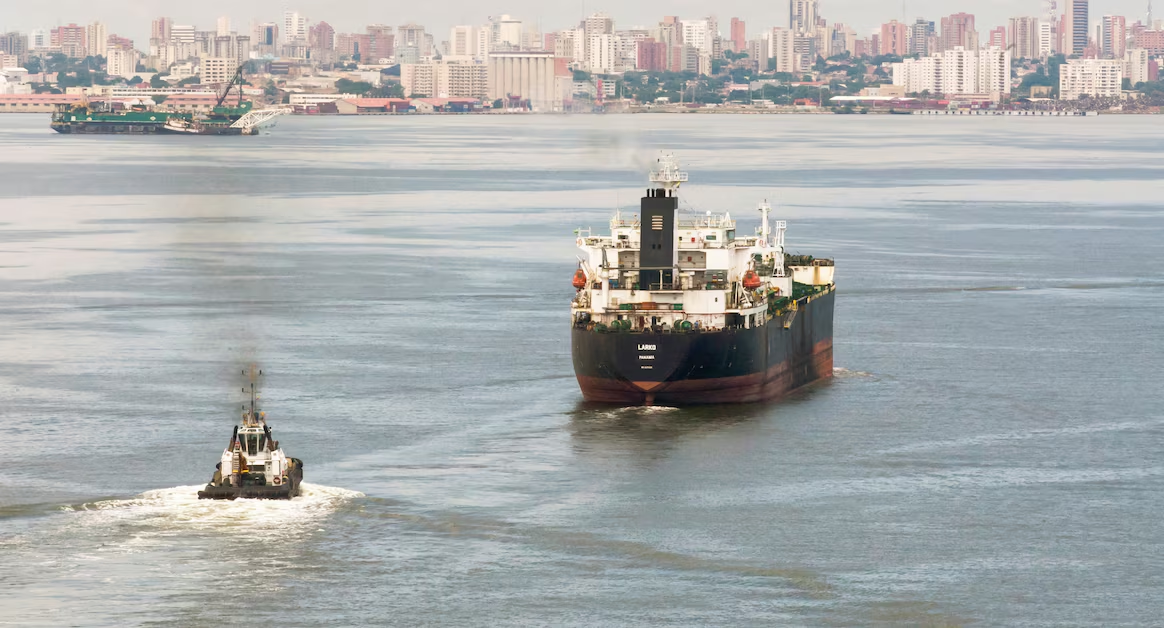
The U.S. government has seized two Venezuelan oil tankers and ordered its military to begin a full “quarantine” of Venezuelan oil. The move began this week under the Trump administration. It aims to cut revenue to Caracas and increase pressure on the government. The order affects oil routes in the Caribbean and the Gulf of Mexico. It marks the sharpest escalation in years.According to Reuters, U.S. officials said the quarantine will run for at least two months. The decision has raised concern across global energy markets. It has also sparked fear inside Venezuela, which depends almost fully on oil sales for income.
U.S. Oil Quarantine Deepens Economic Strain on Venezuela
Venezuela holds the world’s largest proven crude oil reserves. But the country produces far less oil today than it did decades ago. Most of its oil is extra‑heavy crude. This type needs special tools and advanced refineries. The state oil firm PDVSA lacks both after years of weak funding and poor management.Reports from the World Bank and the U.S. Energy Information Administration show a long decline. Venezuela now produces under one million barrels per day. This is more than 50% lower than in the 1980s. Output also fell sharply after sanctions began in 2017. Those sanctions blocked access to U.S. markets and froze PDVSA assets.The new U.S. blockade cuts off another key lifeline. It stops tankers from delivering crude to several foreign buyers. It also limits access to diluents, which Venezuela needs to process its thick crude. Officials and analysts say the move will deepen the country’s economic crisis.
How the Blockade Impacts Markets and Regional Stability
The oil quarantine affects more than Venezuela. It may raise shipping risks in the region. It may also push global oil prices higher if supply routes shift. Energy analysts say the short‑term impact will be small. But they warn that longer pressure could affect refinery operations in some countries.Venezuela’s economy faces major strain. Its GDP per capita has fallen back to 1990s levels. No other major oil nation has seen such a sharp decline. OPEC data shows Venezuela now has the highest government debt of any member state. This reflects years of low output and high spending.The blockade also increases political tension. It puts Washington on a collision course with several countries that still buy Venezuelan oil. Some states may seek new channels to avoid the U.S. order. Others may pause deals to avoid penalties. The move also raises questions about future sanctions under the current administration.
Regional Reactions and What Comes Next
Latin American governments are watching closely. Some warn that the blockade could worsen the humanitarian situation. Others say it could push Caracas to accept talks. So far, no major shift has occurred.Energy experts say Venezuela’s long decline is due to both sanctions and internal failures. PDVSA still suffers from weak investment and outdated equipment. The oil quarantine adds another challenge that the country may struggle to overcome.
The U.S. move has put Venezuelan oil back at the center of global attention. The new quarantine will shape regional politics and markets for months. The main keyword “Venezuelan oil” remains at the heart of this story.
Info at your fingertips-
Q1: Why did the U.S. seize Venezuelan oil tankers?
The U.S. seized the tankers to enforce a new oil quarantine. The move aims to cut funds to the Venezuelan government. It is part of broader pressure on Caracas.
Q2: How does the blockade affect Venezuelan oil?
The blockade restricts exports and limits access to key supplies. It makes it harder for Venezuela to process and sell its oil. This adds strain to an already weak sector.
Q3: How much oil does Venezuela produce now?
Reports show Venezuela produces under one million barrels per day. This is far lower than historic levels. Output fell after sanctions and years of poor investment.
Q4: Will global oil prices rise?
Prices may rise if the blockade affects supply routes. For now, analysts expect only small shifts. Long-term effects depend on how the situation develops.
Q5: What caused Venezuela’s economic collapse?
Analysts cite mismanagement, low investment, and heavy sanctions. These factors weakened the oil sector. The country also failed to diversify its economy.
Trusted Sources: Reuters, Associated Press, BBC News, World Bank, U.S. Energy Information Administration, OPEC Reports.
iNews covers the latest and most impactful stories across
entertainment,
business,
sports,
politics, and
technology,
from AI breakthroughs to major global developments. Stay updated with the trends shaping our world. For news tips, editorial feedback, or professional inquiries, please email us at
[email protected].
Get the latest news and Breaking News first by following us on
Google News,
Twitter,
Facebook,
Telegram
, and subscribe to our
YouTube channel.


